The Growth Mirage Fades
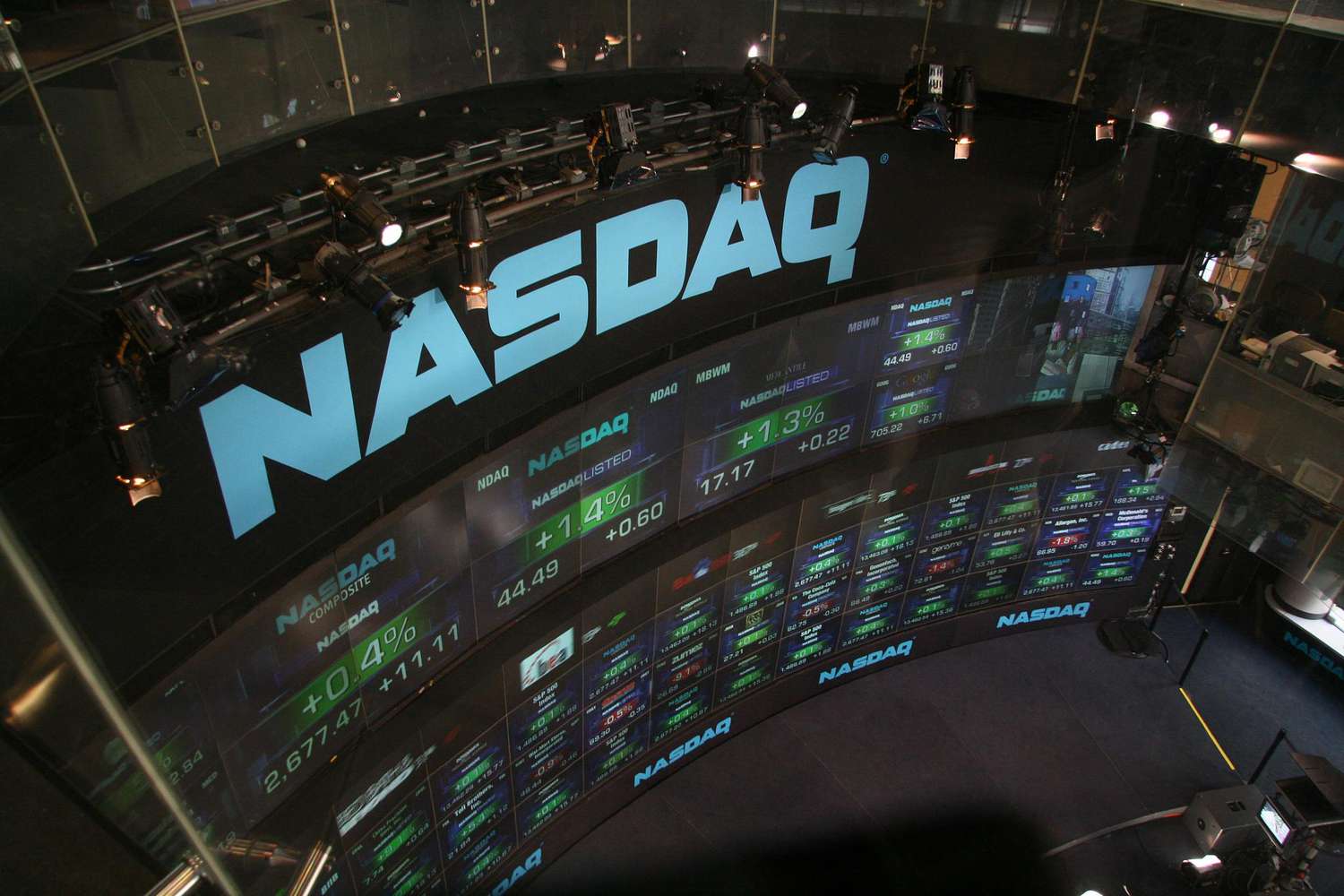
The Nasdaq is broken. Five consecutive weeks of red candles have stripped the veneer off the tech-heavy index. As of the market close on February 13, the index has notched its longest losing streak in nearly two years. This is not a flash crash. It is a systematic repricing of risk. Investors are finally acknowledging that the cost of capital will not return to the zero-bound era. The euphoria of the early AI boom has met the hard reality of balance sheet constraints. According to data tracked by Bloomberg, the cumulative drawdown over this 35 day period has erased nearly $1.4 trillion in nominal wealth.
The Liquidity Trap and the Fed
Capital is no longer cheap. The Federal Reserve has maintained a restrictive stance that the market spent months trying to ignore. That ignorance has ended. While the January Consumer Price Index (CPI) showed a marginal cooling, the core services component remains stubbornly high. This stickiness prevents the pivot that growth investors have been praying for since last autumn. The market is now pricing in a higher for longer scenario that makes the high forward P/E ratios of software-as-a-service (SaaS) companies look unsustainable. When the discount rate rises, the present value of future cash flows collapses. This is basic finance, yet the market acted surprised for five weeks straight.
Nasdaq Composite Weekly Performance (Jan 12 to Feb 13, 2026)
Datadog and the Infrastructure Paradox
Datadog ($DDOG) emerged as a rare bright spot in a sea of selling. The company reported earnings that defied the broader sector malaise. Enterprise observability is no longer a luxury. It is a necessity for firms managing complex multi-cloud environments. Despite the macro headwinds, Datadog managed to expand its high-value customer base. This suggests that while discretionary tech spending is being slashed, infrastructure monitoring remains a protected line item. However, the stock’s rally should be viewed with caution. It is an outlier in a sector where peers like Cognizant ($CTSH) are struggling to maintain margins. Cognizant’s recent performance reflects a broader slowdown in IT consulting as firms delay large-scale digital transformations to conserve cash.
The Nuclear Rotation in Utilities
Energy is the new tech play. Constellation Energy ($CEG) and Exelon ($EXC) are no longer sleepy utility stocks. They are the backbone of the AI data center expansion. The market is beginning to realize that the bottleneck for artificial intelligence is not just chips, it is power. Constellation has been at the forefront of the nuclear revival, securing long-term power purchase agreements with hyperscalers. This week’s price action shows a significant rotation. Investors are dumping high-beta software and rotating into regulated utilities that offer both defensive qualities and a backdoor play on AI infrastructure. Per reports from Reuters, the demand for carbon-free, 24/7 baseload power is driving a premium for nuclear operators that was unthinkable five years ago.
T-Mobile and the Defensive Moat
T-Mobile ($TMUS) continues to outperform its telecommunications rivals. The company has successfully navigated the transition from a growth-oriented disruptor to a dominant cash-flow machine. In a week where the Nasdaq fell 2.4 percent, T-Mobile’s stability provided a necessary hedge for institutional portfolios. Their 5G lead has translated into lower churn rates and higher average revenue per user (ARPU). In a high-interest-rate environment, the market rewards companies with strong domestic cash flows and limited exposure to international currency fluctuations. T-Mobile fits this profile perfectly. It is a boring business in a volatile world, and right now, boring is profitable.
| Ticker | Weekly Change | Market Sentiment | Primary Driver |
|---|---|---|---|
| $DDOG | +4.1% | Bullish | Observability demand |
| $TMUS | +1.2% | Neutral/Stable | Defensive rotation |
| $CEG | -3.1% | Bearish (Short-term) | Profit taking in Utilities |
| $CTSH | -5.4% | Bearish | IT spending slowdown |
| $EXC | -1.8% | Neutral | Regulatory oversight |
The Technical Breakdown
The technical indicators are screaming exhaustion. The Nasdaq has sliced through its 200-day moving average with high volume. This level was previously a floor for the 2025 rally. Now, it acts as a ceiling. The Relative Strength Index (RSI) is hovering near oversold territory, but oversold does not mean a reversal is imminent. In a trending bear market, RSI can stay suppressed for months. The breadth of the market is also concerning. Only a fraction of the index components are trading above their 50-day moving averages. This lack of participation suggests that the selling pressure is broad-based and not confined to a few overvalued outliers. The ‘Magnificent Seven’ are no longer a monolithic block. Divergence is the new theme.
Institutional positioning reveals a flight to quality. Hedge funds have reduced their net long exposure to tech to the lowest levels since late 2023. The focus has shifted to ‘Quality’ factors: high return on equity, low debt-to-equity ratios, and consistent dividend growth. This is the antithesis of the venture-capital-backed growth model that dominated the last decade. The market is demanding proof of profitability today, not the promise of dominance tomorrow. As we move deeper into February, the focus will shift to the upcoming FOMC minutes. Any hint that the committee discussed the possibility of a rate hike rather than a cut will likely trigger another leg down. The next critical data point arrives on February 20, when the Flash Manufacturing PMI data will reveal if the underlying economy is finally cooling enough to satisfy the central bank.