The lights stay on. For now.
Southeast Asia is hungry. Its industrial engines are roaring at a pace that the current energy infrastructure cannot sustain. Policy papers from Jakarta to Hanoi are filled with optimistic rhetoric about the ASEAN Power Grid (APG). The narrative is simple. Connect the region. Share the surplus. Go green. But the math does not work. Regional demand is not just growing. It is exploding. According to the latest data from Reuters, peak load requirements in Vietnam’s northern industrial hubs have surged by 10 percent in the last twelve months. Solar and wind cannot fill this gap. The sun sets. The wind dies. The factories must run. The region is staring at an energy trilemma that no amount of cross-border trade can solve without a radical shift in baseload strategy.
Intermittency is the silent killer of green dreams
Renewables are a variable asset in a region that requires constant power. The tropical geography of Southeast Asia presents unique challenges for the green transition. Low wind speeds and intense monsoon seasons mean that solar and wind capacity factors remain stubbornly low compared to global averages. When the clouds roll in, the grid collapses. This is why the World Economic Forum recently emphasized that keeping power secure and affordable requires more than just interconnectors. It requires density. The energy density of coal is high, which is why it remains the region’s dirty addiction. To break that addiction, the region needs an alternative that provides the same reliability without the carbon footprint. Nuclear is the only candidate that fits the bill.
Projected Annual Growth in Electricity Demand by ASEAN Economy
Small Modular Reactors and the nuclear pivot
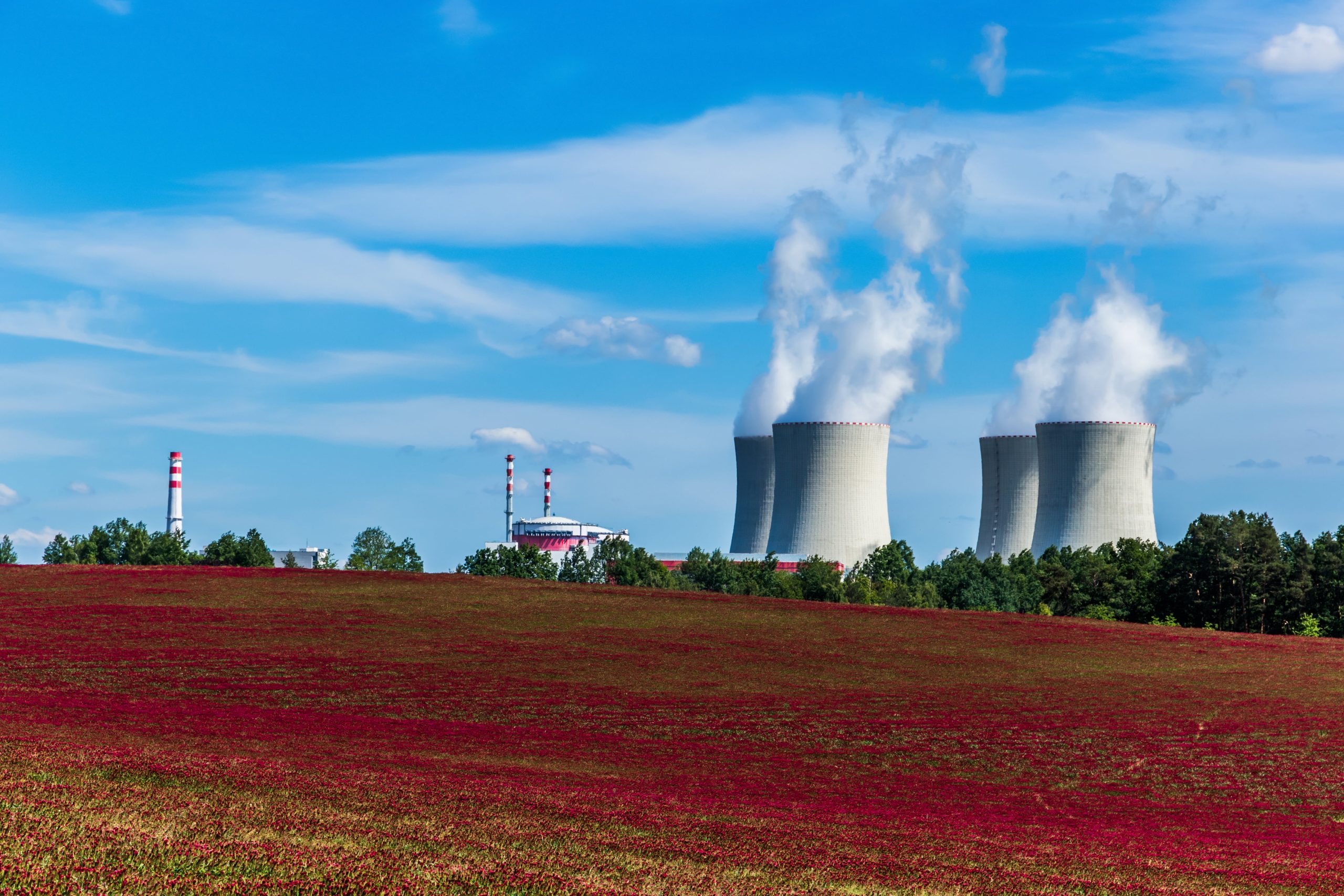
Traditional nuclear power is a hard sell in an archipelago. The capital expenditure is too high. The construction timelines are too long. However, Small Modular Reactors (SMRs) are changing the calculus. These reactors offer a plug-and-play solution for remote islands and industrial zones. They provide a steady baseload that complements the volatility of renewables. Indonesia has already begun exploring the deployment of SMRs in the Bangka Belitung province to support its nickel processing industry. Per the International Energy Agency, the transition to low-carbon baseloads is the only way to meet the 2050 net-zero targets while maintaining regional competitiveness. Without nuclear, the ASEAN Power Grid is just a series of expensive wires with nothing to carry.
The capital flight from coal
Money is moving. Global lenders are fleeing coal at an unprecedented rate. This has left a massive funding gap in the region’s energy sector. The Asian Development Bank has attempted to bridge this with its Energy Transition Mechanism, but the scale of the challenge is gargantuan. We are looking at a $1.2 trillion shortfall in grid modernization by 2030. Investors are wary of the regulatory volatility. One day a subsidy is active. The next day it is revoked. This inconsistency makes long-term infrastructure projects nearly impossible to bank. The integrated grid requires harmonized tariffs and a unified regulatory framework, something that remains elusive as member states prioritize national energy security over regional cooperation.
ASEAN Energy Metric Comparison (February 2026)
| Market | Current Coal Reliance (%) | 2026 Renewables Target (%) | Grid Stability Score (1-10) |
|---|---|---|---|
| Vietnam | 48.2 | 21.5 | 6.2 |
| Indonesia | 61.4 | 14.8 | 5.5 |
| Singapore | 0.0 | 4.2 | 9.8 |
| Thailand | 18.5 | 19.1 | 7.4 |
| Philippines | 57.1 | 12.3 | 5.1 |
The high cost of subsea connections
Copper is expensive. Subsea High Voltage Direct Current (HVDC) cables are even more expensive. To truly integrate the ASEAN grid, thousands of kilometers of these cables must be laid across the South China Sea. The technical hurdles are immense. Maintenance in deep-water environments is a logistical nightmare. Furthermore, the geopolitical tensions in the region add a layer of risk that most private insurers are unwilling to touch. A single severed cable could plunge an entire nation into darkness. This vulnerability is why many energy analysts, including those at Bloomberg, argue that local baseload generation must take precedence over regional dependence. Integration should be a secondary layer of security, not the primary foundation.
Watch the March 15, 2026, tender for the first SMR pilot in the Bangka Belitung Islands. This event will serve as the definitive litmus test for nuclear viability in the region. If the project secures the necessary private equity, it will set a new price floor for carbon-free baseload power in Southeast Asia. The era of coal-fired growth is ending. The era of nuclear-backed integration must begin.