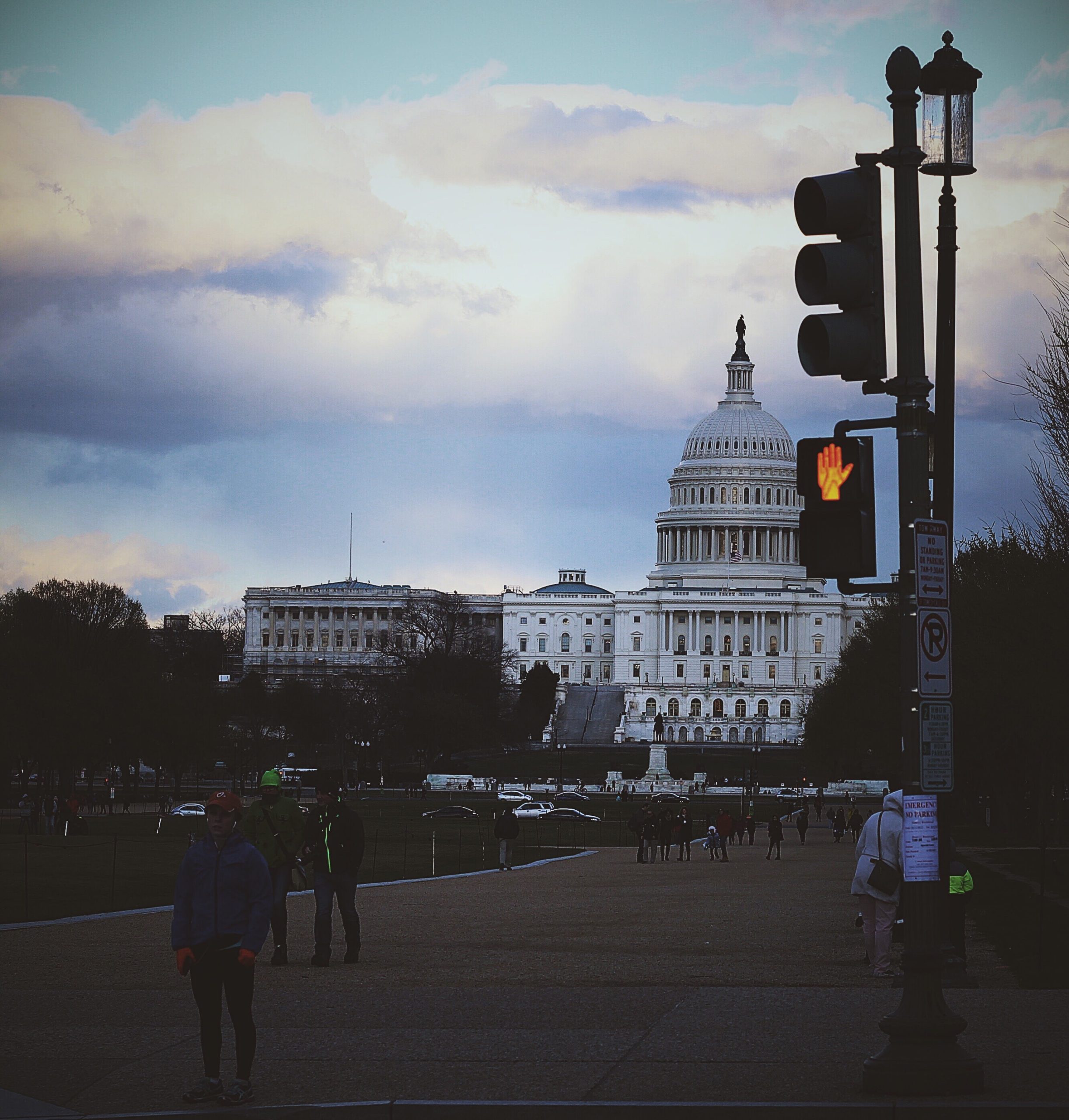
The Spectacle of Levi’s Stadium
The lights are blinding. The grass is pristine. Super Bowl LX kicks off tonight in Santa Clara, yet the atmosphere in the executive suites is anything but celebratory. While the public consumes the pageantry, a darker narrative is taking hold in the financial district. A new book, circulating among the league’s most vocal critics, argues that American football is not just changing, it is doomed. This is not the usual moral hand-wringing about violence. This is a cold, calculated autopsy of a business model that has reached its terminal velocity.
The NFL is a behemoth of cash. It generated nearly $20 billion in revenue last year. But revenue is a trailing indicator. The leading indicators, the ones that keep CFOs awake at night, are flashing red. Participation in youth football has stalled. Insurance premiums for stadium operators are skyrocketing. Most importantly, the media rights bubble, which has sustained the league’s exponential growth for decades, is showing signs of structural fatigue.
The $110 Billion Anchor
The league is currently anchored by massive media rights deals worth over $110 billion. These contracts were signed in a different era of television. They rely on the survival of the linear cable bundle, a product that is currently being liquidated by consumers. As viewers migrate to fragmented streaming services, the cost-per-impression for advertisers is becoming harder to justify. The NFL is the last remaining ‘must-have’ for broadcasters, which gives it leverage, but that leverage is a double-edged sword. If the broadcasters go bust, the league’s primary revenue stream evaporates.
The technical mechanism of this failure is the ‘sports surcharge.’ For years, cable companies passed the rising cost of NFL rights onto every subscriber, even those who never watched a game. That subsidy is dying. In the new streaming reality, every viewer must be acquired and retained individually. The churn rates for sports-centric streaming packages are volatile. When the season ends, the subscribers vanish. This creates a seasonal cash-flow nightmare that the old cable model successfully smoothed over.
NFL Media Rights Revenue in Billions (2021-2026)
The Legal Precipice
Liability is the silent killer. The league has spent billions settling concussion-related lawsuits, but the legal horizon is darkening. New research into Chronic Traumatic Encephalopathy (CTE) is no longer confined to retired professionals. It is reaching the collegiate and high school levels. This creates a massive liability gap. If the league cannot guarantee the safety of its labor force, the cost of indemnity insurance will eventually exceed the value of the product.
We are seeing the emergence of ‘litigation-driven obsolescence.’ Just as the tobacco industry was dismantled by a combination of public health data and aggressive legal maneuvering, the NFL faces a multi-front war. Trial lawyers are now targeting the helmet manufacturers and the grassroots organizations. If the pipeline of talent is choked off by parental fear and legal risk, the professional game becomes a relic within a generation. The ‘doom’ book argues that we are already ten years into this decline, masked only by the sheer inertia of American culture.
The Gambling Life Support
The league has found a temporary savior in the gambling industry. Since the federal ban on sports betting was lifted, the NFL has integrated gambling into every facet of its broadcast. This has created a new, hyper-engaged demographic. Per reports from Reuters, the betting handle for Super Bowl LX is expected to shatter all previous records. This is the ‘junkie’ phase of the business model. The league is no longer selling a sport. It is selling a high-frequency trading platform for human performance.
This reliance on gambling revenue is dangerous. It compromises the integrity of the game, or at least the perception of it. In a market where billions are wagered on the placement of a single spot-shadow, the margin for error is zero. Any scandal involving officiating or player collusion would be catastrophic. The NFL is effectively hedging its declining cultural relevance with a high-stakes bet on the vice industry. It is a strategy of desperation, not growth.
| Metric | 2016 Performance | 2026 Projection |
|---|---|---|
| Average Viewer Age | 47 | 55 |
| Media Rights Revenue | $7.2 Billion | $13.4 Billion |
| Legal Reserve Fund | $1.0 Billion | $4.5 Billion |
| Gambling Partnerships | $0 | $2.8 Billion |
The Private Equity Pivot
The final act of this drama is the entry of institutional capital. For decades, the NFL was a club of wealthy families. That is changing. The league is currently drafting rules to allow private equity firms to take minority stakes in teams. This is the ultimate signal of a market peak. Private equity does not buy into growing, healthy industries for the love of the game. They buy in to optimize cash flow, strip assets, and exit before the collapse.
The valuation of NFL franchises has decoupled from the reality of their balance sheets. A team worth $6 billion today is trading at a multiple that assumes infinite growth in a finite market. When the private equity firms start looking for their exit, who will be left to buy? The pool of individual billionaires is small. The pool of sovereign wealth funds is larger, but their entry would trigger a political firestorm that the league is not prepared to handle. According to Bloomberg research, the debt-to-equity ratios of several mid-market teams have reached levels that would be considered distressed in any other sector.
The March 2026 owner meetings in Florida will be the next critical milestone. The league is expected to finalize the framework for ‘Tier 1’ institutional investment. This move will provide the liquidity needed for aging owners to cash out, but it will also place the league under the unforgiving scrutiny of quarterly returns. The game will no longer be measured in touchdowns, but in basis points. If the ‘doom’ narrative is correct, the smart money is already looking for the door. Watch the 2027 media opt-out clauses. That is when the bubble finally meets the needle.