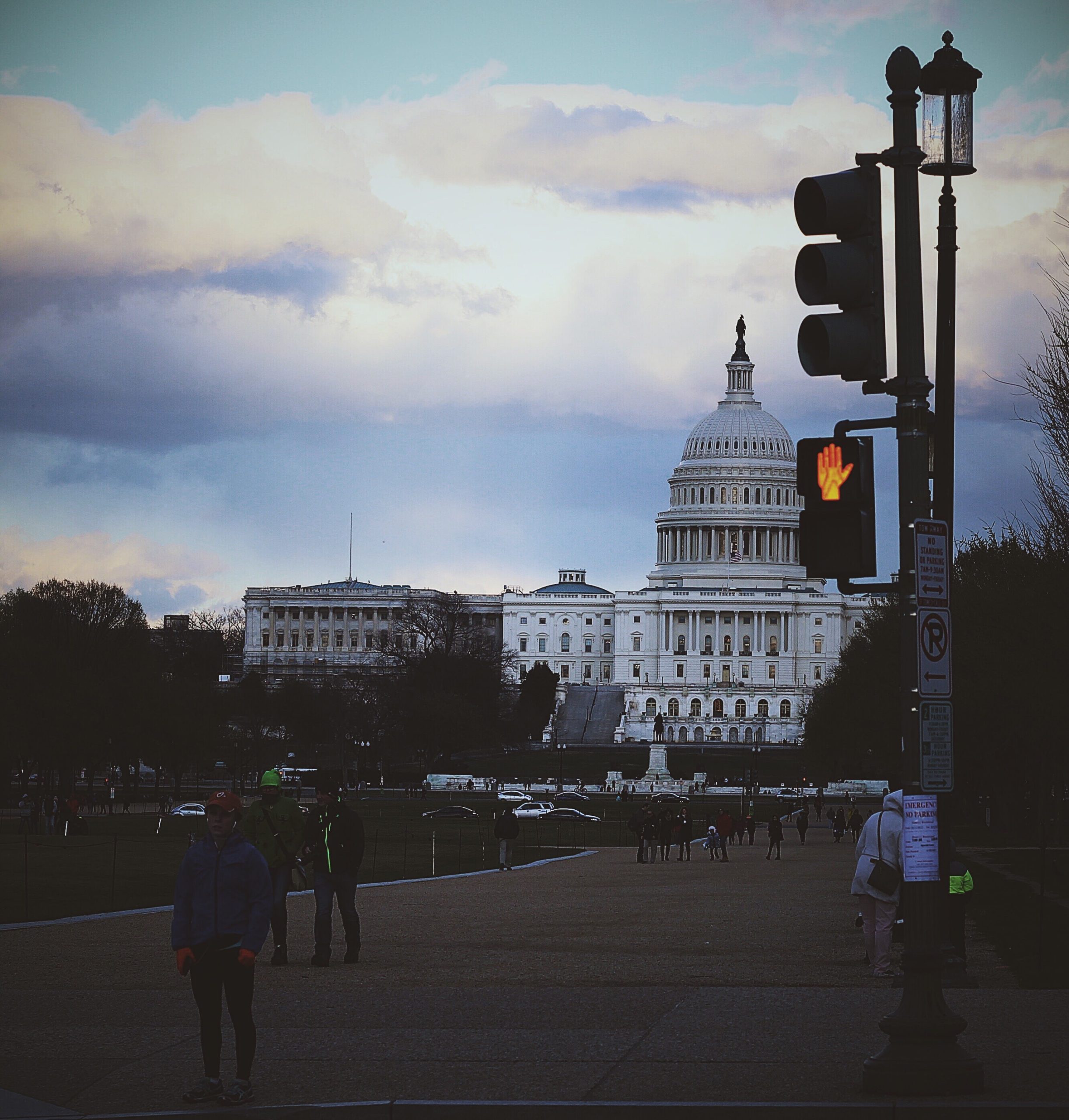
The Political Theater of Fiscal Collapse
The lights stay on. For now. Washington is currently locked in a familiar dance of fiscal brinkmanship. On January 29, the federal government stands on the precipice of another partial shutdown. The rhetoric from the Hill suggests a systemic breakdown. The data suggests a buying opportunity. Michael Zezas, Deputy Head of Global Research at Morgan Stanley, recently signaled that while the risk warrants investor attention, it does not justify an overreaction. This is a calculated perspective. Markets have become desensitized to the recurring cycle of Continuing Resolutions and midnight votes. The institutional memory of the 2018-2019 shutdown remains fresh. That event lasted 35 days. It cost the economy roughly 11 billion dollars. Yet the S&P 500 rose during that period. Investors are looking past the headlines and into the mechanics of liquidity.
The Mechanical Reality of a Shutdown
A shutdown is not a default. This distinction is critical for the credit markets. A shutdown occurs when Congress fails to pass appropriation bills. A default occurs when the Treasury cannot meet its debt obligations. Under the Antideficiency Act, federal agencies must cease non-essential operations. This includes national parks and regulatory filings. It does not include the payment of interest on Treasury securities. Per recent reporting from Reuters, the Treasury General Account remains sufficiently capitalized to bridge a short-term gap. The real risk is the erosion of institutional trust. Credit rating agencies like Fitch and Moody’s have previously warned that repeated governance failures could impact the U.S. sovereign rating. The yield on the 10-Year Treasury has climbed 12 basis points in the last 48 hours. This reflects a term premium for political uncertainty. It is a tax on dysfunction.
Visualizing the Market Impact of Fiscal Deadlines
Estimated Shutdown Risk Premium in Basis Points (Jan 20-29)
The chart above illustrates the rising cost of hedging against political volatility. The risk premium is measured in basis points added to short-term Treasury bills. As the deadline nears, the curve kinks. This is the market demanding a higher return for the risk of delayed payments. It is a localized phenomenon. It does not signal a broad economic recession. According to data from Bloomberg, the volatility index (VIX) has remained below 20. This suggests that while bond traders are nervous, equity investors are largely indifferent. They expect a last-minute deal. They have seen this movie before. The plot is predictable. The resolution is inevitable.
Historical Performance During Federal Closures
The historical data provides a blueprint for the current standoff. Since 1976, there have been 21 gaps in federal funding. The average market response is a shrug. The technical reason is that government spending is only deferred, not deleted. Once the gates reopen, back pay is issued and contracts are fulfilled. The GDP hit is usually recovered in the subsequent quarter. However, the impact on federal contractors is immediate. Companies with high exposure to discretionary defense spending often see their stock prices decouple from the broader index. This is where the investigative eye should focus. The table below compares the current fiscal climate with previous major shutdowns.
Comparison of Major U.S. Government Shutdowns
| Fiscal Year | Duration (Days) | S&P 500 Performance | GDP Impact (Est.) |
|---|---|---|---|
| 2013 | 16 | +3.1% | -0.3% |
| 2018-2019 | 35 | +10.3% | -0.1% |
| 2026 (Current Projected) | TBD | -1.2% (MTD) | -0.2% (Est.) |
The current market weakness is likely a function of broader macro headwinds rather than the shutdown itself. Inflation remains sticky. The Federal Reserve is hesitant to pivot. The shutdown provides a convenient narrative for a much-needed market correction. Investors should monitor the Treasury’s cash balance. If the TGA drops below 100 billion dollars, the conversation shifts from a shutdown to a liquidity crisis. That is the point where attention must turn into action. The Securities and Exchange Commission has already begun contingency planning for reduced oversight during the funding gap. This creates a vacuum for market manipulation. Transparency decreases. Uncertainty increases.
The Hidden Cost of Disruption
Beyond the immediate market noise, the technical damage is structural. Each shutdown delays the release of critical economic data. The Bureau of Labor Statistics and the Bureau of Economic Analysis go dark. This leaves the Federal Reserve flying blind. If the January jobs report is delayed, the FOMC may be forced to hold rates steady simply due to a lack of visibility. This is the real danger. It is not the closure of the Smithsonian. It is the freezing of the data pipeline that drives global capital allocation. The cynicism of the current political environment ignores the precision required for modern monetary policy. You cannot manage what you cannot measure. The shutdown breaks the yardstick.
The focus now shifts to the February 15th deadline for the secondary funding bill. This is the next specific milestone for the Treasury’s solvency. Watch the 4-week Treasury bill auctions on February 3rd. If the bid-to-cover ratio falls below 2.2, it will signal that the primary dealers are losing their appetite for political risk. That is the data point that matters. The rest is just noise.