The Eccles Building Omerta
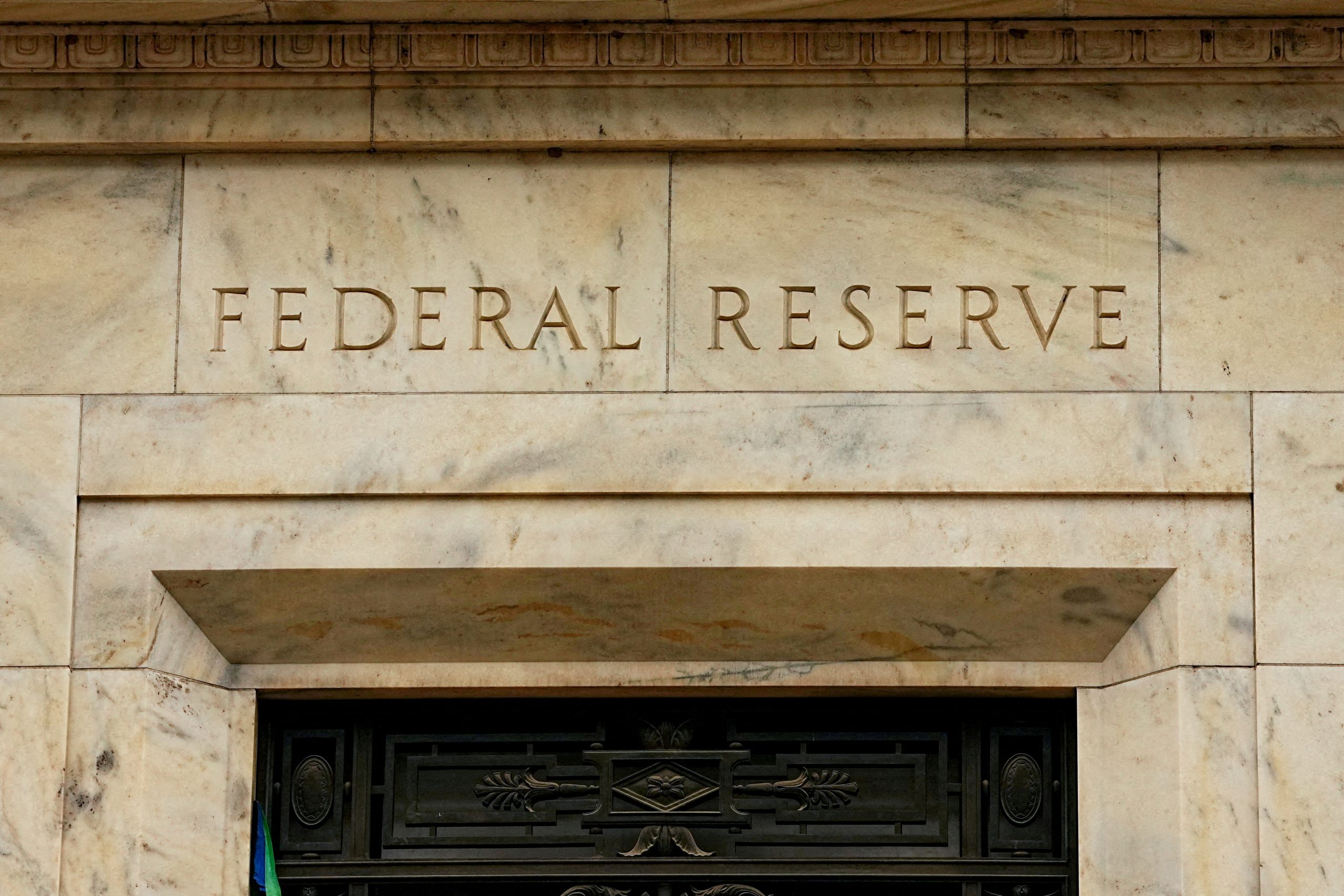
The silence is deafening. Jerome Powell took the podium today with a legal shadow looming over the Eccles Building. He refused to address the grand jury. He refused to confirm his May exit. Markets hate a vacuum. Institutional investors spent the afternoon parsing every syllable of the FOMC statement for a hint of the transition plan. They found nothing. The Federal Reserve is currently operating under a shroud of legal ambiguity that threatens the very independence it claims to protect.
Central bank credibility is fragile. It relies on the perception of a steady hand and a clear succession path. When the sitting Chair declines to discuss a grand jury proceeding, the risk premium on US Treasuries begins to creep upward. This is not merely a political scandal. It is a structural threat to the dollar. The yield curve is already reacting to the uncertainty. Short term rates are locked in a holding pattern while the long end reflects a growing fear of a leadership void. According to recent reporting by Bloomberg, the lack of clarity regarding the May transition has led to the highest level of implied volatility in the rates market since the regional banking crisis.
The Legal Quagmire and the May Cliff
Powell is a dead man walking. His term expires in May. Usually, a successor is named months in advance to ensure a smooth handoff. We are now in late January. The silence suggests a stalemate between the White House and the Senate Banking Committee. There are whispers of a grand jury looking into internal leaks. This adds a layer of complexity that the bond market is ill equipped to price. If the Chair is legally compromised, the entire policy trajectory of the last two years is called into question.
Technical analysts are watching the 4.25 percent level on the 10-year Treasury note. A breach of this level signifies a loss of confidence in the Fed’s ability to manage its own house. The Federal Reserve Act provides specific protections for the Chair, but those protections do not extend to criminal inquiries. We are entering uncharted territory where the rule of law intersects with monetary policy in a way that could paralyze the FOMC. Per data from Reuters, the spread between the 2-year and 10-year notes has widened significantly over the last 48 hours as traders hedge against a chaotic transition.
Market Probability of Fed Leadership Scenarios for May
The Independence Premium at Risk
Markets pay for certainty. The independence of the Federal Reserve is the bedrock of the global financial system. When that independence is threatened by legal scrutiny or executive overreach, the dollar loses its luster. We are seeing early signs of a flight to alternative assets. Gold and digital commodities are catching a bid. This is a direct response to the opacity of the current administration’s plans for the central bank. The grand jury mention is the catalyst. It suggests that the issues at the Fed are not merely policy disagreements but potential systemic failures.
The FOMC meeting minutes, due in three weeks, will be the most anticipated document of the year. Investors will be looking for any sign of dissent among the governors. If the board is fractured, the ability to execute a soft landing vanishes. The current interest rate environment requires precision. A distracted or legally embattled Chair cannot provide that precision. The market is now pricing in a 45 percent chance of an interim leadership structure, which is historically associated with higher inflation volatility and lower equity returns.
The Institutional Erosion
Institutional decay happens slowly, then all at once. The refusal to discuss the future of the Chairmanship is a symptom of a deeper malaise. The Federal Reserve has spent decades building a reputation for transparency. That reputation is being dismantled in real time. The technical mechanism of this erosion is the rising term premium on long dated debt. Investors are demanding more compensation for the risk of holding US paper in an era of leadership instability. This is a tax on the entire economy.
The Fed’s balance sheet remains bloated. The process of quantitative tightening is ongoing. These are complex operations that require a unified leadership. A lame duck Chair under investigation is the worst possible scenario for the credit markets. We are seeing liquidity dry up in the repo markets as primary dealers become cautious about the future policy path. The official FOMC calendar shows several key speeches in the coming days. Each one will be a minefield for the governors as they attempt to distance themselves from the unfolding drama at the top.
The next critical data point arrives on February 13. The release of the January Consumer Price Index will collide with the peak of the succession rumors. If inflation prints hot while the Fed is in a leadership crisis, the bond market will sell off with a ferocity not seen in years. Watch the 2-year Treasury yield. A move above 4.8 percent would signal that the market has stopped waiting for answers and has begun to price in a complete breakdown of the central bank’s governing structure.