The Index Broke Seven Thousand
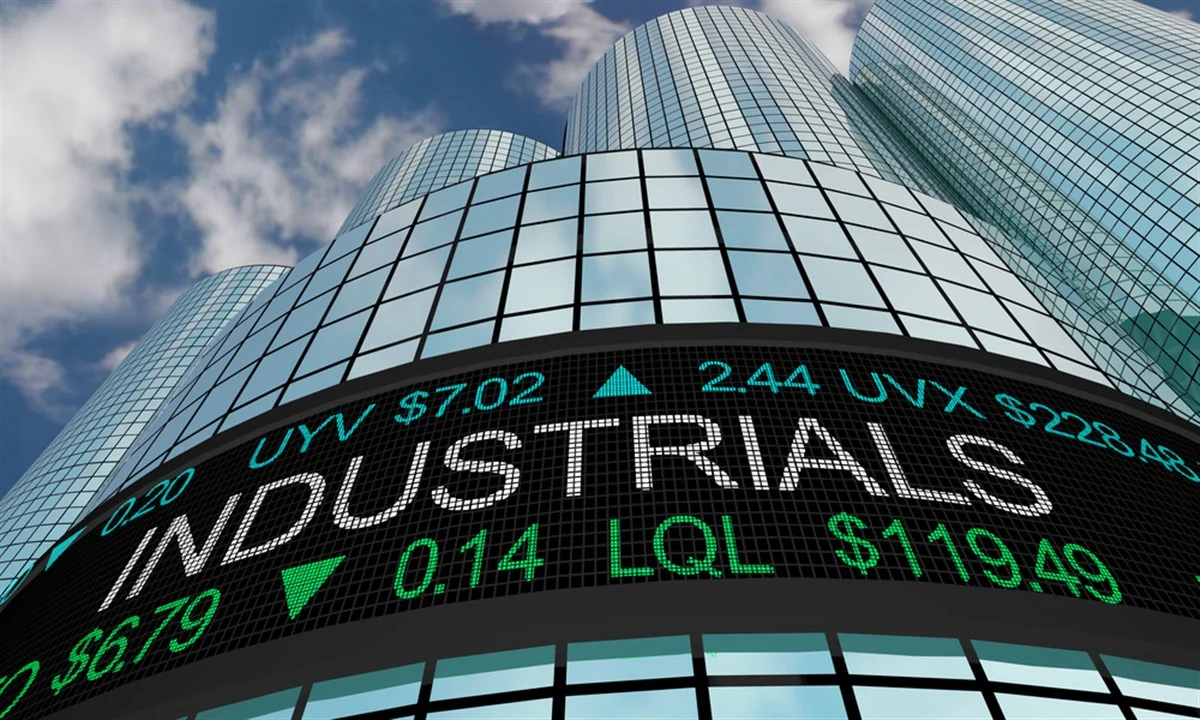
The ticker hit the mark at 10:24 AM Eastern. Wall Street did not erupt in a frenzy of paper. It watched in a stunned, algorithmic silence. The S&P 500 crossing 7,000 marks a psychological rupture in the narrative of the last decade. Most analysts expected a retreat. They cited overextended valuations in the semiconductor space. They were wrong. The rally was not driven by the usual suspects in Silicon Valley. It was driven by the companies that build the physical world.
Market breadth has finally returned. For years, the index was a top-heavy machine fueled by five or six mega-cap tech stocks. That concentration has dissolved. According to recent Bloomberg market data, the final 500-point push to 7,000 was led by a resurgence in heavy industrials and regulated utilities. The logic is simple. AI requires power. Power requires a grid. A grid requires steel and copper. The digital gold rush has finally reached the shovel sellers.
The Revenge of the Old Economy
Valuation multiples for the Magnificent Seven have compressed. Investors are no longer paying for infinite growth in software. They are paying for the physical infrastructure of the 21st century. Utilities, once the boring refuge of widows and orphans, have seen their P/E ratios expand by 40 percent in the last twelve months. This is not a bubble in the traditional sense. It is a fundamental repricing of the cost of electricity and the scarcity of industrial capacity.
We are seeing a massive rotation. Capital is fleeing the high-beta volatility of speculative tech for the steady, government-backed cash flows of infrastructure projects. The Reuters energy desk reports that grid modernization spending has hit record highs, directly inflating the bottom lines of companies previously dismissed as legacy anchors. The market is finally acknowledging that you cannot host a neural network in the cloud if the cloud does not have a reliable power plant attached to it.
Sector Contribution to S&P 500 Growth (Last 12 Months)
The Technical Mechanism of the Rotation
The math is cold. When interest rates stabilized in late 2025, the discount rate applied to future earnings became a known quantity. This favored companies with predictable, long-term contracts. The industrial sector is currently sitting on a backlog of orders that stretches into 2029. Per filings found on the SEC EDGAR database, capital expenditure among the top 50 industrial firms has increased by 22 percent year-over-year. This is not speculative spending. This is demand-driven expansion.
The table below illustrates the dramatic shift in valuation parity. The gap between tech and the rest of the market is closing. This is the definition of a healthy market, even if it feels unfamiliar to those who came of age during the ZIRP era of the 2010s.
| Sector | P/E Ratio (Jan 2025) | P/E Ratio (Jan 2026) | Earnings Growth (YoY) |
|---|---|---|---|
| Information Technology | 34.2 | 29.5 | +11% |
| Industrials | 18.4 | 24.1 | +26% |
| Utilities | 14.1 | 21.8 | +31% |
| Financials | 12.5 | 13.9 | +9% |
The Ghost in the Machine
The surprise is not that the market hit 7,000. The surprise is the composition of the winners. We are witnessing the end of the pure-play software dominance. The market is pricing in a reality where hardware and energy are the ultimate constraints on growth. If you cannot build the transformer, you cannot run the model. If you cannot run the model, the software is worthless.
This shift has profound implications for passive investors. The S&P 500 is no longer a proxy for the tech industry. It is becoming a proxy for the total industrial capacity of the United States. The volatility profiles are changing. The correlation between sectors is tightening. The ghost in the machine is the physical reality of resource scarcity.
The next data point to watch is the February 12 release of the Consumer Price Index. If industrial expansion begins to feed into structural inflation, the 7,000 level may become a ceiling rather than a floor. Watch the 10-year Treasury yield. If it crosses 4.5 percent again, the industrial thesis will face its first real stress test of the year.