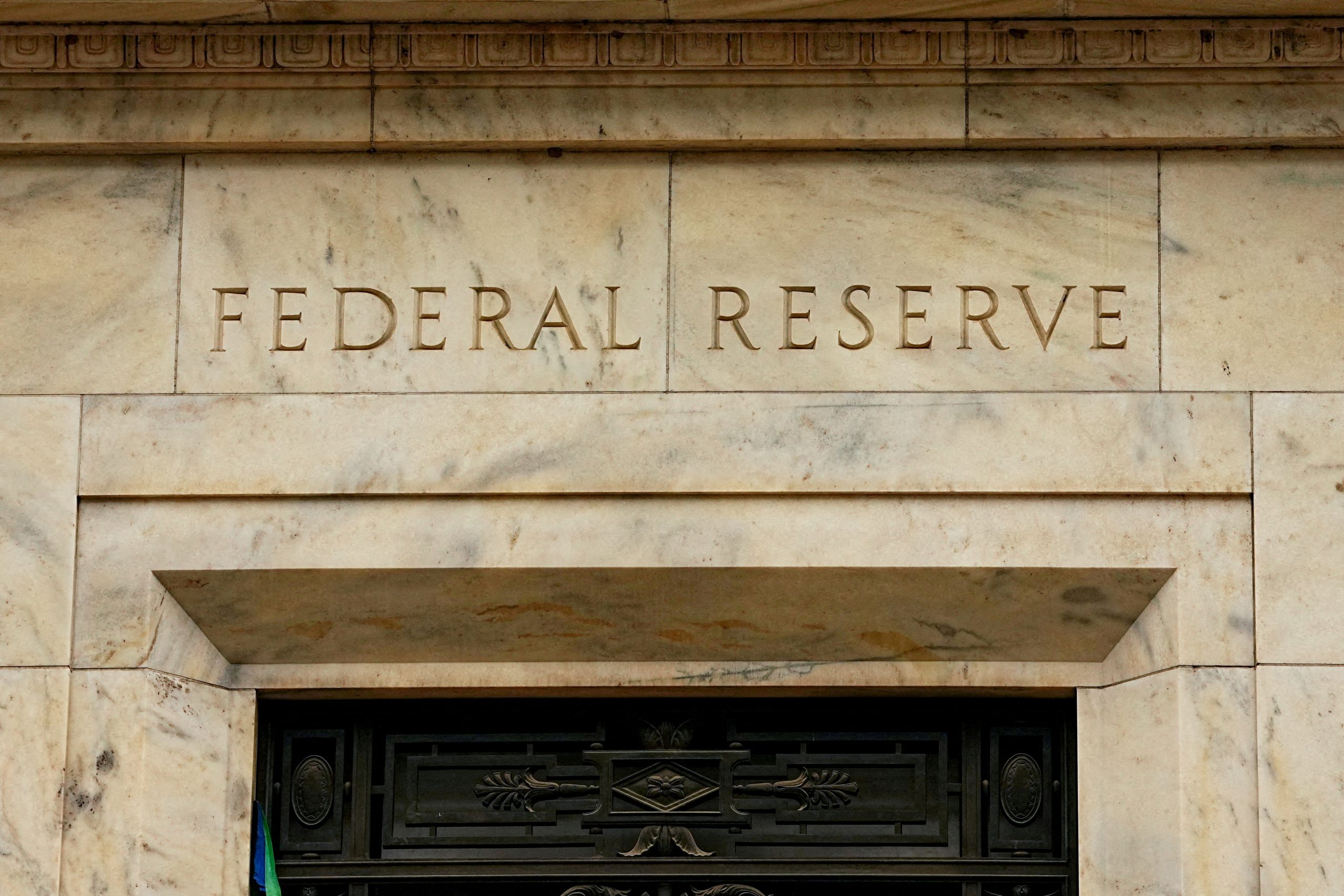
The ticker tape is green. It feels unearned. On this January 20, the capital is awash in ceremony while the floor of the New York Stock Exchange attempts to price in a new administration. Seeking Alpha reports a rebound across the Dow Jones Industrial Average and the Nasdaq 100. But the underlying mechanics suggest a relief rally rather than a structural shift. The bulls are back. For now. This rally is a thin veil over a fractured bond market.
The Liquidity Illusion
Volatility has defined the last 48 hours. Traders are grappling with the immediate policy implications of a fresh executive term. The S&P 500 has clawed back losses from the previous week, yet volume remains suspiciously thin. Institutional desks are not buying the dip with conviction. They are hedging. Per reports from Reuters, the movement in equity futures suggests a temporary short-squeeze rather than a long-term capital allocation shift. The cost of capital is still the primary antagonist. Interest rates remain at levels that stifle mid-cap growth. Large-cap tech is the only sector with the balance sheet strength to ignore the gravity of the Federal Reserve.
Index Performance Comparison
The following table illustrates the performance of the three major U.S. indices during the 48-hour window leading into the January 20 session. The divergence between the industrial heavy Dow and the tech-centric Nasdaq reveals a market divided by interest rate sensitivity.
| Index | 48-Hour Change (%) | Current Level (Est.) | Volatility Index (VIX) |
|---|---|---|---|
| Dow Jones Industrial Average | +0.82% | 43,210 | 18.4 |
| S&P 500 | +1.15% | 6,025 | 17.9 |
| Nasdaq 100 | +1.64% | 21,140 | 20.2 |
Visualizing the Rebound
The chart below tracks the percentage recovery across major indices as the market processed the final transition of power on January 20. Note the outperformance of the Nasdaq 100 as investors flee to the perceived safety of high-margin software giants.
Index Performance Recovery (Jan 18 to Jan 20)
The Technical Disconnect
Look at the 10-year Treasury yield. It is creeping toward 4.5 percent even as stocks climb. This is a classic divergence. Normally, rising yields act as a brake on equity valuations. The current rebound is driven by a “certainty premium.” The market hates a vacuum. Now that the inauguration is complete, the vacuum is filled with a known quantity. However, the term premium on long-dated bonds tells a different story. Investors are demanding more compensation for the risk of holding government debt. This suggests inflation expectations are not as anchored as the headline CPI would suggest. According to data from Bloomberg, the spread between the 2-year and 10-year notes remains dangerously narrow. The yield curve is not signaling a healthy expansion. It is signaling a struggle.
The Tech Sector Fortress
The Nasdaq 100 is leading because it has become a defensive play. This is a reversal of traditional logic. In a high-rate environment, tech should suffer. But the “Magnificent Seven” successors have built moats of recurring revenue and massive cash piles. They are the new utilities. When the Dow falters due to industrial supply chain woes, the Nasdaq thrives on software scalability. This creates a lopsided market. A few names are carrying the entire weight of the S&P 500. If one of these pillars cracks, the rebound will evaporate. We are seeing a concentration of risk that the retail market is largely ignoring.
The Policy Pivot
The new administration has promised a shift in fiscal priorities. The market is currently pricing in the most optimistic version of this shift. Deregulation is the word of the day on Wall Street. But deregulation takes time. It requires legislative heavy lifting and judicial review. The immediate reality is a continuation of high borrowing costs. The SEC has signaled that oversight on digital assets and fintech will remain a priority, despite the change in leadership. This regulatory friction will eventually collide with the current euphoria. The rebound is a psychological reaction to the end of political uncertainty. It is not a fundamental revaluation of corporate earnings potential.
Watch the January 28 Federal Reserve meeting. That is the real test. The Fed has a history of ruining the party just as the champagne is poured. If the FOMC maintains its hawkish stance, the January 20 rebound will be remembered as a classic bull trap. The next data point to monitor is the 4.55 percent level on the 10-year Treasury. If yields break above that, the Dow Jones will likely surrender its recent gains within a single trading session.