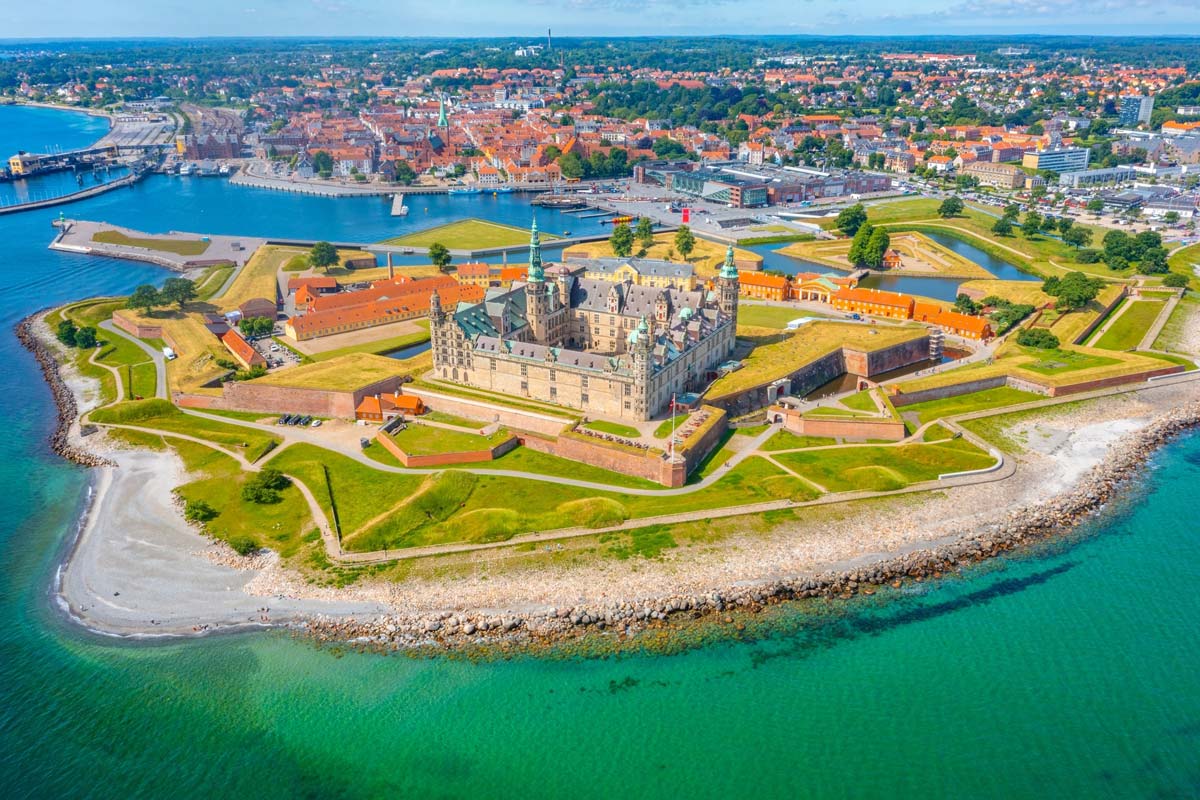
The Ice Is Breaking
Sovereignty has a price. Denmark just paid the first installment. The deployment of additional troops to Greenland signals a pivot from diplomatic posturing to hard-power reality. This is not a drill. It is a calculated response to the accelerating scramble for the High North. For years, the Arctic was a zone of low tension. That era ended this morning. The Danish Ministry of Defence is no longer content with symbolic patrols. They are reinforcing the Joint Arctic Command. This move targets the protection of critical infrastructure and the assertion of mineral rights that have remained dormant for millennia.
Investors in European equities are feeling the chill. The Vanguard FTSE Europe ETF (VGK) and the SPDR Euro STOXX 50 ETF (FEZ) are beginning to price in a new category of geopolitical risk. We call it the Arctic Premium. It represents the cost of defending the northern flank of the European Union. As the ice melts, the Northern Sea Route becomes a viable alternative to the Suez Canal. Control over these waters is the new gold rush. Denmark is positioning itself as the gatekeeper. But gatekeepers need guns. The financial burden of this militarization will likely weigh on Copenhagen’s fiscal surplus in the coming quarters.
The Mineral Hegemony
Greenland is a treasure chest. It holds massive deposits of neodymium, praseodymium, and dysprosium. These are not luxury goods. They are the bedrock of the energy transition. Without Greenland’s rare earth elements, the European dream of technological autonomy dies. Currently, China controls over 80 percent of the global supply chain for these metals. By increasing its military footprint, Denmark is signaling to Beijing and Washington that the Kvanefjeld and Tanbreez projects are under European protection. This is a direct challenge to the status quo.
The technical reality is complex. Mining in the Arctic requires specialized logistics. It requires ice-hardened transport vessels. It requires a stable security environment. The Danish troop surge provides that stability. However, it also invites counter-moves. We are seeing increased naval activity from the Northern Fleet. The proximity of Russian nuclear assets to Greenland’s maritime borders makes this a high-stakes game of chicken. If the security situation deteriorates, the iShares Europe ETF (IEV) could see increased volatility as energy security concerns resurface.
Visualizing the Arctic Defense Escalation
Projected Defense Spending Growth in Arctic Nations
Market Impact and Fiscal Realities
The Danish Krone is currently under observation. While Denmark maintains a peg to the Euro, the cost of sustained military operations in the Arctic could test the limits of their fiscal framework. The market is currently ignoring the tail risk of a localized skirmish. This is a mistake. The supply chains for high-tech manufacturing are fragile. Any disruption in the Greenlandic waters would send shockwaves through the European industrial sector. The table below illustrates the performance of major European indices since the start of the month, reflecting the growing unease.
| Ticker | Asset Name | YTD Performance (%) | Volatility Index (VIX-E) |
|---|---|---|---|
| VGK | Vanguard FTSE Europe | -1.42 | 18.5 |
| FEZ | SPDR Euro STOXX 50 | -2.10 | 21.2 |
| IEV | iShares Europe ETF | -1.85 | 19.8 |
The data suggests a defensive rotation. Capital is moving out of growth-oriented European tech and into aerospace and defense contractors. Companies like Saab and Rheinmetall are the primary beneficiaries of this shift. They provide the hardware necessary for Arctic survival. The Danish military’s reliance on specialized surveillance drones and cold-weather communications tech is a boon for the niche defense sector. This is not a short-term spike. This is a structural realignment of the European economy toward a war footing in the north.
The Forward Outlook
The next milestone is the Arctic Council summit scheduled for late next month. Watch the language regarding the “Continental Shelf” claims. If Denmark formalizes its claim to the North Pole seabed, expect a sharp reaction from the Kremlin. The market is currently pricing in a 15 percent probability of a diplomatic freeze. That number is too low. The real risk lies in the 200-nautical-mile exclusive economic zones. As the Danish troops dig in, the focus shifts to the upcoming mineral lease auctions. The participation of non-Arctic states in these auctions will be the ultimate litmus test for Danish sovereignty. Keep a close eye on the price of Neodymium futures. They are the canary in the coal mine for this frozen conflict.