The leverage has evaporated
The era of the entitled worker is over. Power has shifted back to the boardroom with a velocity that has caught the white-collar class off guard. New data suggests that the aggressive negotiation tactics of the post-pandemic years have been replaced by a desperate scramble for stability. Workers are no longer demanding remote work and equity packages. They are taking pay cuts just to secure a seat before the music stops.
A recent report highlighted by Fortune Magazine confirms what the whisper networks in HR have been saying for months. New hires are actively accepting lower compensation than their previous roles provided. More tellingly, they are not even attempting to negotiate. This is not a choice. It is a survival strategy in a market where the cost of capital remains stubbornly high and the threat of automated displacement is no longer a theoretical exercise for the 2030s. It is the reality of 2026.
The mechanics of the wage retreat
The math is cold. Corporate margins are being squeezed by the cumulative impact of three years of restrictive monetary policy. As companies look to refinance debt issued during the low-rate era, they are finding that the interest expense is cannibalizing their payroll budgets. To maintain EBITDA targets, the easiest lever to pull is the suppression of entry and mid-level wages. This is known as wage compression. It occurs when the delta between a senior employee’s salary and a new hire’s salary narrows, but in this cycle, we are seeing a downward reset across the entire hierarchy.
Recruiters are now using algorithmic screening tools to filter out candidates whose salary expectations exceed the bottom quartile of the previous year’s range. This creates a feedback loop. When candidates realize that high-ask resumes are being ghosted by automated systems, they lower their requirements. According to recent Reuters economic analysis, this has led to a 12 percent decline in the average starting salary for mid-market professional services roles compared to the peak of 2024.
Visualizing the Collapse of Negotiation Leverage
Median Wage Change for New Hires (2022-2026)
The AI shadow over the cubicle
The psychological shift in the workforce is driven by the rapid integration of Large Language Models (LLMs) into core business processes. In 2024, AI was a novelty. In 2025, it became a productivity tool. Today, in early 2026, it is a replacement strategy. When a single analyst can now perform the work of three using specialized agentic workflows, the scarcity of labor evaporates. This is the primary reason for the lack of negotiation. Candidates are aware that if they demand an extra ten thousand dollars, there is a queue of equally qualified individuals, or an API call, ready to fill the void.
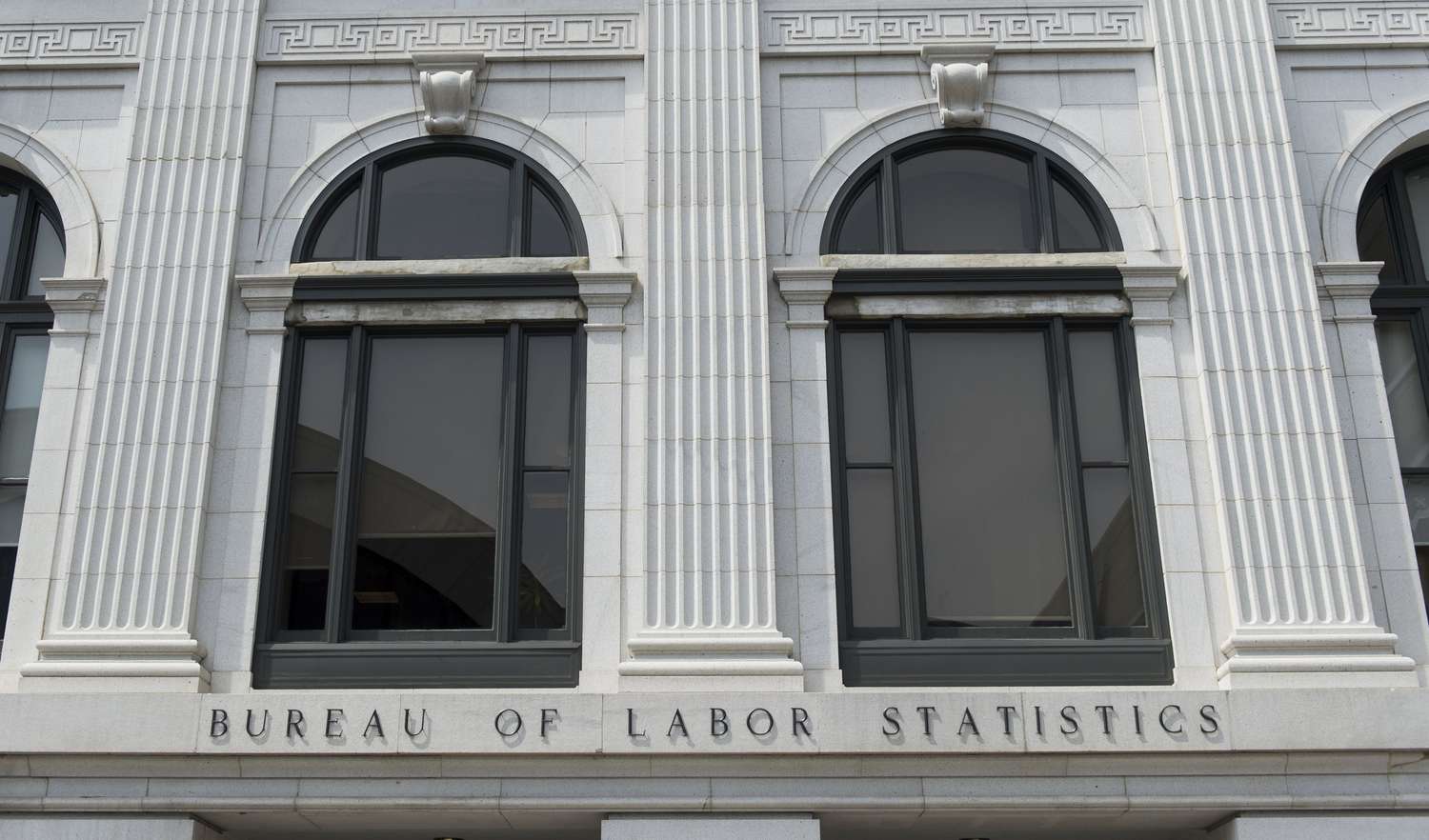
The data from the Bureau of Labor Statistics suggests that while the headline unemployment rate remains deceptively low, underemployment and wage stagnation are at decade-highs. We are seeing a phenomenon where the job exists, but the ‘economic rent’ previously enjoyed by the worker has been reclaimed by the employer. This is the structural correction that the Federal Reserve quietly hoped for but could never publicly endorse.
Comparative Sector Wage Growth (Jan 2025 vs Jan 2026)
| Sector | Jan 2025 Growth (%) | Jan 2026 Growth (%) | Net Change (bps) |
|---|---|---|---|
| Technology | +2.1 | -5.4 | -750 |
| Finance | +3.4 | -1.2 | -460 |
| Healthcare | +4.8 | +2.1 | -270 |
| Manufacturing | +1.2 | -0.5 | -170 |
The death of the counteroffer
In the previous cycle, a resignation was often met with a counteroffer. This was a defensive move by companies to prevent brain drain. That practice has largely vanished. Companies are now viewing voluntary departures as a low-friction way to reduce headcount without the severance costs associated with formal layoffs. If an employee leaves because they feel underpaid, the role is either left vacant or backfilled at a 15 percent discount. This is the ‘Silent Layoff’ in action.
The lack of negotiation is also a reflection of the credit environment. With mortgage rates still hovering near 6 percent, the mobility of the American worker has been paralyzed. People cannot afford to leave their current homes, and they cannot afford to be without a paycheck for even a single month. This ‘lock-in effect’ has turned the labor market into a buyer’s market. The employer is the buyer, and they are shopping for bargains.
The next critical data point arrives on February 6 with the release of the January Non-Farm Payrolls report. Analysts will be looking past the headline number to the ‘Average Hourly Earnings’ metric. If that figure continues its current trajectory toward zero or negative territory, the capitulation will be complete. The market is no longer asking what workers are worth. It is telling them what they will accept.