The Anchor in the West Wing
The signal was sent today. Kevin Hassett is not moving. During a brief exchange captured by the press, President Trump told his National Economic Council Director, “I actually want to keep you where you are.” The words landed like a lead weight on Wall Street traders who had spent the morning betting on a major cabinet reshuffle. This is not just a personnel preference. It is a strategic immobilization of the administration’s most potent economic architect.
Hassett has spent the last year serving as the primary bridge between the White House and the institutional financial world. His presence at the NEC has been viewed by many as a stabilizing force against more protectionist impulses. By publicly declaring his intent to keep Hassett in his current seat, the President has effectively signaled that the current trade and tax trajectory will remain under Hassett’s specific brand of oversight. The markets reacted with immediate, if muted, volatility. Treasury yields, which had been creeping upward on rumors of a more hawkish Fed appointment for Hassett, flattened within minutes of the Yahoo Finance report.
The Fed Chair Speculation Vacuum
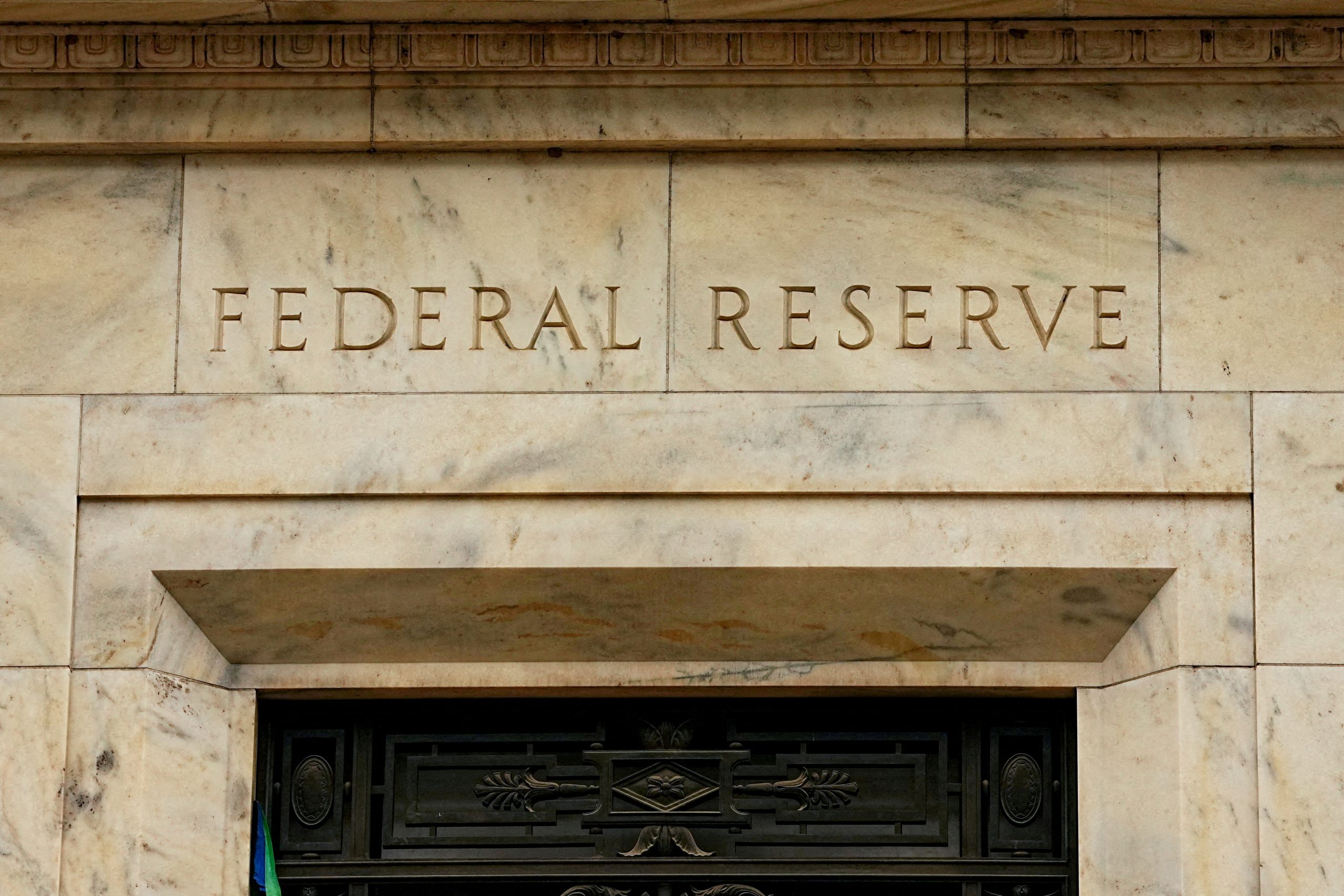
Jerome Powell’s term as Federal Reserve Chair expires on May 15. The countdown has begun. For months, Hassett was the frontrunner in the betting markets to take the helm at the Eccles Building. He possesses the rare combination of academic rigor and political loyalty that this administration demands. However, keeping him at the NEC creates a massive vacuum in the Fed succession plan. If Hassett is out of the running, the shortlist narrows to names that the market finds significantly more unpredictable.
Institutional investors prefer the devil they know. Hassett is a known quantity. His work on the 2017 tax cuts and his recent push for “supply-side deregulation” are predictable frameworks. Without him in the mix for the Fed, the spotlight shifts to more populist candidates who might prioritize nominal GDP growth over inflation targeting. This shift is already being priced into the long end of the curve. Per recent Bloomberg market data, the term premium is beginning to reflect a world where the Fed’s independence is no longer a given, but a negotiation.
The Implied Probability of Fed Leadership
The following data visualizes the shift in market sentiment following today’s announcement. With Hassett’s probability of moving to the Fed effectively zeroed out, the competition for the world’s most powerful central bank seat has become a three-way race between Kevin Warsh, Scott Bessent, and the wildcard option of a recess appointment.
Market Odds for Fed Chair Nomination (January 16)
Fiscal Dominance and the NEC Mandate
Why keep Hassett at the NEC? The answer lies in the impending expiration of the 2017 tax provisions. The administration needs a floor general who understands the intricacies of the legislative process and the CBO’s scoring mechanisms. Moving Hassett to the Fed would have been a move toward monetary control, but keeping him at the NEC is a move toward fiscal permanence. The White House is prioritizing the extension of the Tax Cuts and Jobs Act over the immediate takeover of the central bank.
This strategy suggests that the administration believes it can bully the Fed from the outside while Hassett secures the fiscal base from the inside. It is a high-stakes gamble on fiscal dominance. If the Fed continues to hold rates higher for longer to combat the inflationary pressure of tax extensions, the friction between the two institutions will reach a breaking point. Hassett’s role is to ensure that the fiscal side of the ledger remains stimulative, regardless of the Fed’s stance. This is the “Hassett Hedge” that the administration is counting on.
| Economic Indicator | Current Level (Jan 16) | Hassett Era Target |
|---|---|---|
| 10-Year Treasury Yield | 4.32% | 3.75% |
| Core CPI (YoY) | 3.1% | 2.0% |
| GDP Growth (Q4 Est) | 2.4% | 3.5% |
| Federal Debt/GDP | 124% | Stabilization |
The Next Milestone
The markets are now looking past today’s personnel freeze toward the February 1 budget proposal. This will be the first document that bears the full imprint of Hassett’s second-year strategy. If the budget includes the aggressive tariff-revenue projections that have been discussed in closed-door meetings, the inflationary narrative will regain its momentum. Watch the 10-year break-even inflation rate on February 1. If it crosses the 2.6% threshold, the “stability” offered by Hassett’s retention will be exposed as a mere prelude to a much larger fiscal expansion.