The Seoul Surge
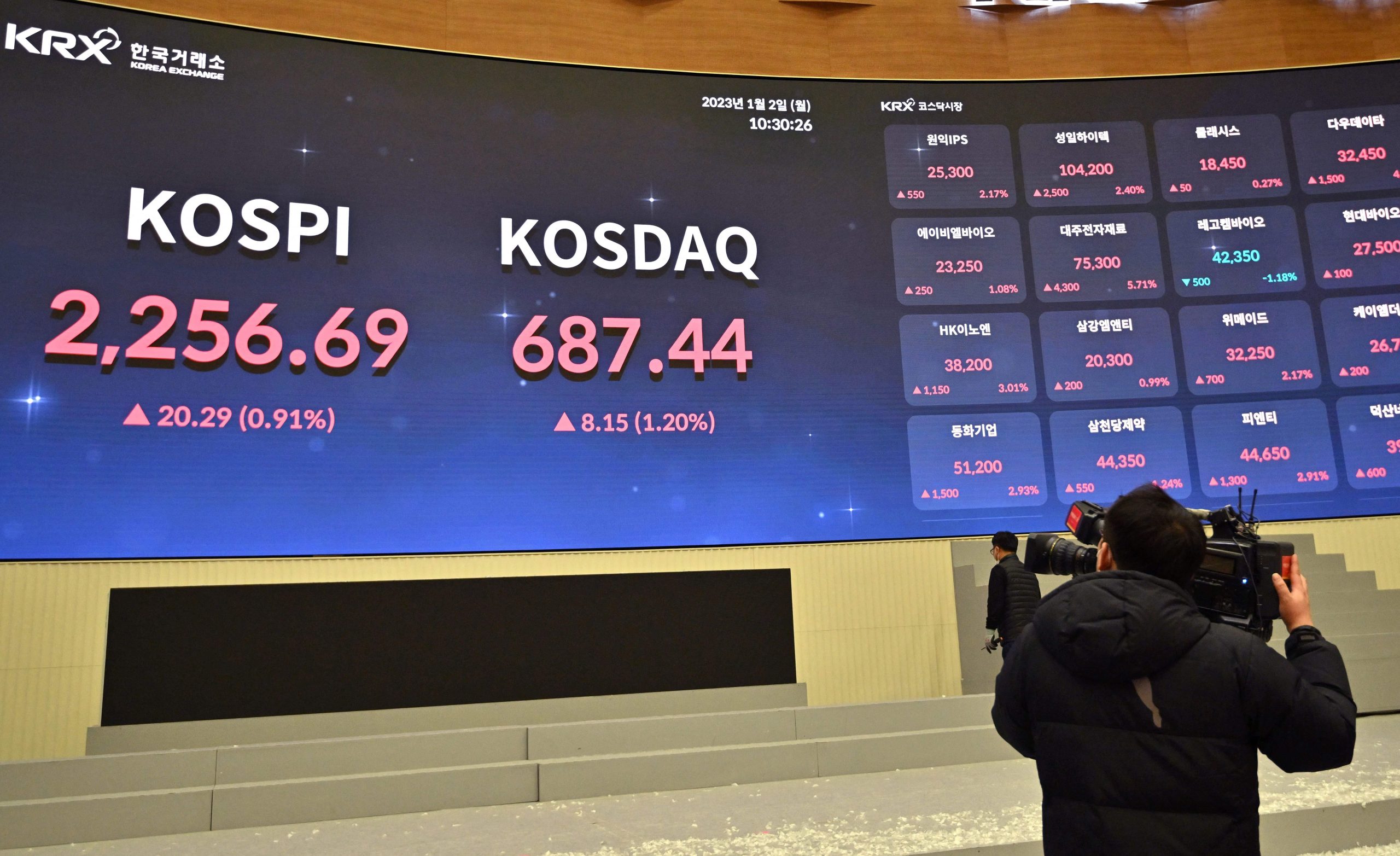
Seoul is the new center of gravity. Investors are piling into the KOSPI. The gains are staggering. But the foundation is brittle. For decades, South Korea was the pariah of developed markets. It suffered from the so-called Korea Discount. This was a structural suppression of valuations caused by poor corporate governance and the opaque dominance of family-led conglomerates. That narrative shifted violently over the last twelve months. As of January 13, the KOSPI has outperformed every major global index. It has eclipsed the S&P 500 and the Nikkei 225 by significant margins. Goldman Sachs is now asking the uncomfortable question. Can this run continue? Enna Hattori of Goldman Sachs Global Banking & Markets is attempting to separate the signal from the noise. The signal suggests a fundamental re-rating. The noise suggests a liquidity-driven bubble fueled by retail desperation and government mandates.
Dismantling the Korea Discount
The catalyst for this rally is the Corporate Value-up Program. This was a government-led initiative designed to force chaebols to return capital to shareholders. It worked. For the first time in history, Korean firms are prioritizing dividends over hoarding cash. The Financial Services Commission has been aggressive. They threatened to delist firms that fail to improve their price-to-book ratios. This is not a suggestion. It is a directive. Global fund managers who previously ignored Seoul are now forced to participate. According to data from Bloomberg, foreign net inflows into Korean equities reached record highs in the first two weeks of January. The market is finally rewarding transparency. But transparency is expensive. It requires a total overhaul of the cross-shareholding structures that define the Korean economy. If the government flinches, the capital will exit as quickly as it arrived.
Comparative Performance of Global Indices
Global Equity Index Performance 12-Month Trailing Returns as of January 13 2026
The Semiconductor Engine
Technology is the primary driver. The artificial intelligence boom has found its second home in Gyeonggi Province. Samsung Electronics and SK Hynix are no longer just commodity memory producers. They are the gatekeepers of High Bandwidth Memory. Without Korean silicon, the global AI infrastructure grinds to a halt. The launch of HBM4 has created a supply-demand imbalance that favors Seoul. This is a technical monopoly. Per reporting from Reuters, SK Hynix has already sold out its 2026 production capacity. This provides a floor for the KOSPI. Even if the broader economy slows, the chip giants provide a massive buffer. However, this concentration of power is a double-edged sword. The KOSPI is now a proxy for global AI sentiment. If the Silicon Valley hype cycle cools, Seoul will feel the frost first. The index is top-heavy. The top five companies represent nearly 40 percent of the total market capitalization.
Governance and the Chaebol Trap
The rot remains beneath the surface. While the Value-up Program is promising, the chaebol structure is designed to resist change. Family dynasties still control the voting rights. They use complex webs of subsidiaries to maintain power with minimal equity. This creates a conflict of interest. Minority shareholders want dividends. Controlling families want to minimize inheritance taxes. In Korea, inheritance taxes can reach 60 percent. This incentivizes families to keep stock prices low until a generational transfer occurs. The government is debating tax reforms to address this. But political gridlock in the National Assembly is a constant threat. Investors are watching the upcoming legislative sessions closely. Any delay in tax reform will be viewed as a betrayal of the Value-up promise. The market is currently pricing in a best-case scenario for these reforms.
Valuation Discrepancies by Region
The following table illustrates the remaining gap between Korean valuations and global peers despite the recent rally. The discount has narrowed, but parity is far off.
- KOSPI: Price-to-Book Ratio 1.1x | Dividend Yield 2.8%
- S&P 500: Price-to-Book Ratio 4.6x | Dividend Yield 1.4%
- Nikkei 225: Price-to-Book Ratio 1.5x | Dividend Yield 2.1%
- Euro Stoxx 50: Price-to-Book Ratio 1.8x | Dividend Yield 3.2%
The data shows that Korea is still cheap on a relative basis. If the KOSPI were to trade at even a modest 1.5x price-to-book ratio, the index would need to rise another 35 percent. This is the math that is attracting the hedge fund crowd. They aren’t buying the Korean economy. They are buying the closing of a valuation gap. This is a trade, not necessarily an investment in long-term growth. The structural issues of a shrinking workforce and high household debt remain unaddressed. These are the secular headwinds that the current rally is ignoring. The Financial Times has noted that Korea’s demographic crisis is the worst in the OECD. A stock market cannot outrun a disappearing population indefinitely.
The Next Milestone
The momentum is undeniable but the risks are mounting. The world is watching the Bank of Korea. Interest rate policy has been restrictive to combat stubborn inflation. Any pivot toward easing will provide further fuel for the equity fire. But the real test comes on February 22. That is the date of the next major review of the Corporate Value-up Program by the Financial Services Commission. They will release the first list of ‘shamed’ companies that failed to meet governance standards. This will be the moment of truth. If the regulator shows teeth, the rally will enter a new, more sustainable phase. If the list is empty or the penalties are toothless, the ‘Korea Discount’ will return with a vengeance. Watch the net foreign position in KOSDAQ tech stocks over the next fourteen days. That data point will reveal if the smart money is staying for the reform or just passing through for the AI gains.