The Silicon Gatekeeper
The silicon gold rush has a single gatekeeper. It is not Nvidia. It is a quiet company in Veldhoven. ASML holds the keys to the kingdom. While the world watches GPU shipments, the real structural shift is happening in the basement of the fab. High Bandwidth Memory (HBM) is the new bottleneck. Without it, the H100 and B200 chips are expensive paperweights. ASML is the tax collector for this entire ecosystem.
Memory was once a commodity business. It was high volume and low margin. That era ended with the rise of generative AI. The industry now demands HBM3e and the upcoming HBM4. These are not simple chips. They are complex vertical stacks of DRAM. They require precision that standard Deep Ultraviolet (DUV) lithography can no longer provide. ASML is no longer an indirect beneficiary. It is the primary infrastructure provider for the memory supercycle.
The HBM4 Transition and the EUV Mandate
The shift to HBM4 is a technical nightmare. It requires more layers. It requires tighter alignment. Most importantly, it requires Extreme Ultraviolet (EUV) lithography. According to recent market analysis, the layer count in HBM is expected to double by the end of this year. This is not a linear increase in complexity. It is exponential. The heat dissipation requirements alone force manufacturers to use thinner wafers. Thinner wafers are fragile. They warp. EUV is the only way to pattern these surfaces without destroying the yield.
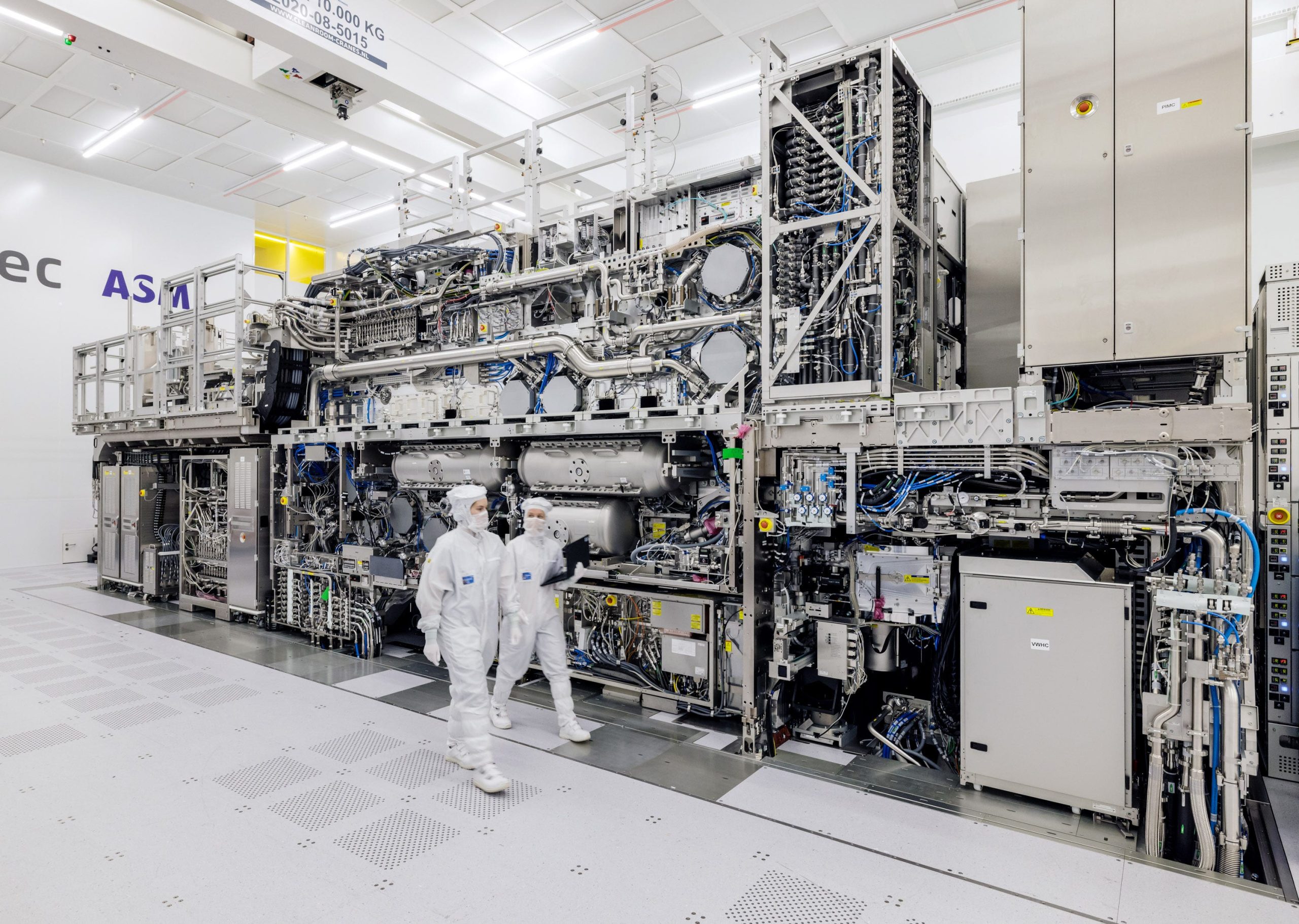
The structural rot in the bull case is the capital expenditure. Memory makers like SK Hynix and Samsung are trapped. They must buy ASML’s Twinscan EXE:5000 High-NA machines to stay competitive. These machines cost over 350 million dollars each. This is a massive drain on liquidity. The memory supercycle is a forced march. If you do not spend, you die. If you do spend, your margins are cannibalized by the Dutch monopoly.
Projected EUV Layer Intensity in HBM Production
The High-NA Gamble
ASML is betting the house on High-NA EUV. The market is skeptical. Yields on the first generation of these machines are rumored to be lower than expected. However, the latest industry reports suggest that the 2-nanometer race has left no alternative. Memory manufacturers are now competing for the same limited pool of machines as logic foundries like TSMC. This creates a supply squeeze. ASML’s backlog is a fortress. It is also a liability. If the AI bubble bursts, the cancellations will be catastrophic.
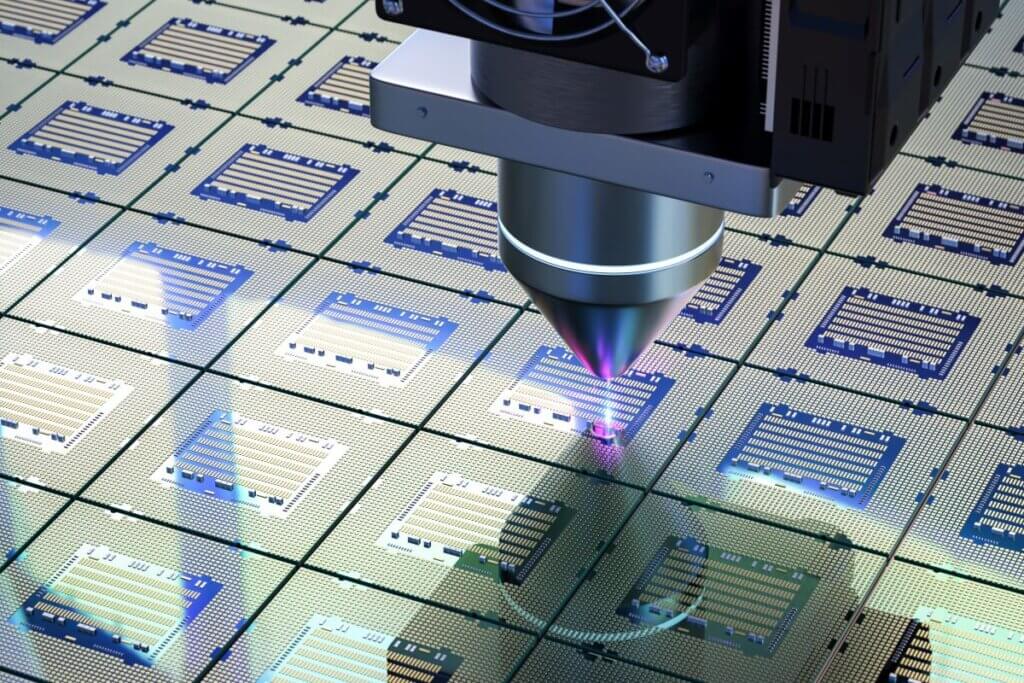
The technical necessity of EUV in memory is driven by the “pitch.” As the distance between features on a chip shrinks, DUV light is too wide to draw the lines. It is like trying to paint a miniature with a house brush. EUV uses a shorter wavelength. It is more precise. In HBM4, the interconnects between the stacked layers are so dense that even a microscopic misalignment ruins the stack. This is why ASML is the only winner in the room. They own the brush.
Comparative Capital Expenditure: Memory vs. Logic
| Sector | 2024 CapEx (Est) | 2025 CapEx (Est) | Growth Rate |
|---|---|---|---|
| Logic (Foundry) | $45B | $52B | 15.5% |
| Memory (DRAM/HBM) | $22B | $31B | 40.9% |
| Flash (NAND) | $12B | $14B | 16.6% |
The table above highlights the desperation. Memory CapEx is growing at nearly triple the rate of logic. This is the “supercycle” in raw numbers. Most of this capital is flowing directly to the Netherlands. ASML is effectively a parasite on the memory industry’s growth. They take the profit before the chips are even sold. Per recent regulatory filings, the lead times for these machines have stretched beyond 18 months. This creates a rigid supply chain that cannot respond to market fluctuations.
The Fragility of the Monopoly
Monopolies are efficient until they are not. ASML’s supply chain is incredibly fragile. They rely on thousands of specialized vendors. A single failure at a lens manufacturer in Germany or a laser provider in the US can halt production for months. The market ignores this. Investors treat ASML as a sovereign entity. They forget it is a manufacturing company subject to the laws of physics and logistics.
The AI memory supercycle is real. The demand for HBM is insatiable. But the cost of entry is rising. Small players are being priced out. The industry is consolidating around those who can afford the lithography tax. This is the structural rot. Innovation is being stifled by the sheer cost of the tools required to innovate. We are entering an era where the size of your balance sheet matters more than the quality of your architecture.
The next critical data point arrives in late February. ASML will release its full-year guidance for the remainder of the year. Watch the bookings for the EXE:5200 series. If memory makers continue to crowd out logic foundries in the order book, the lithography tax will reach a record high. The industry is no longer building chips. It is building a monument to the Dutch machine.