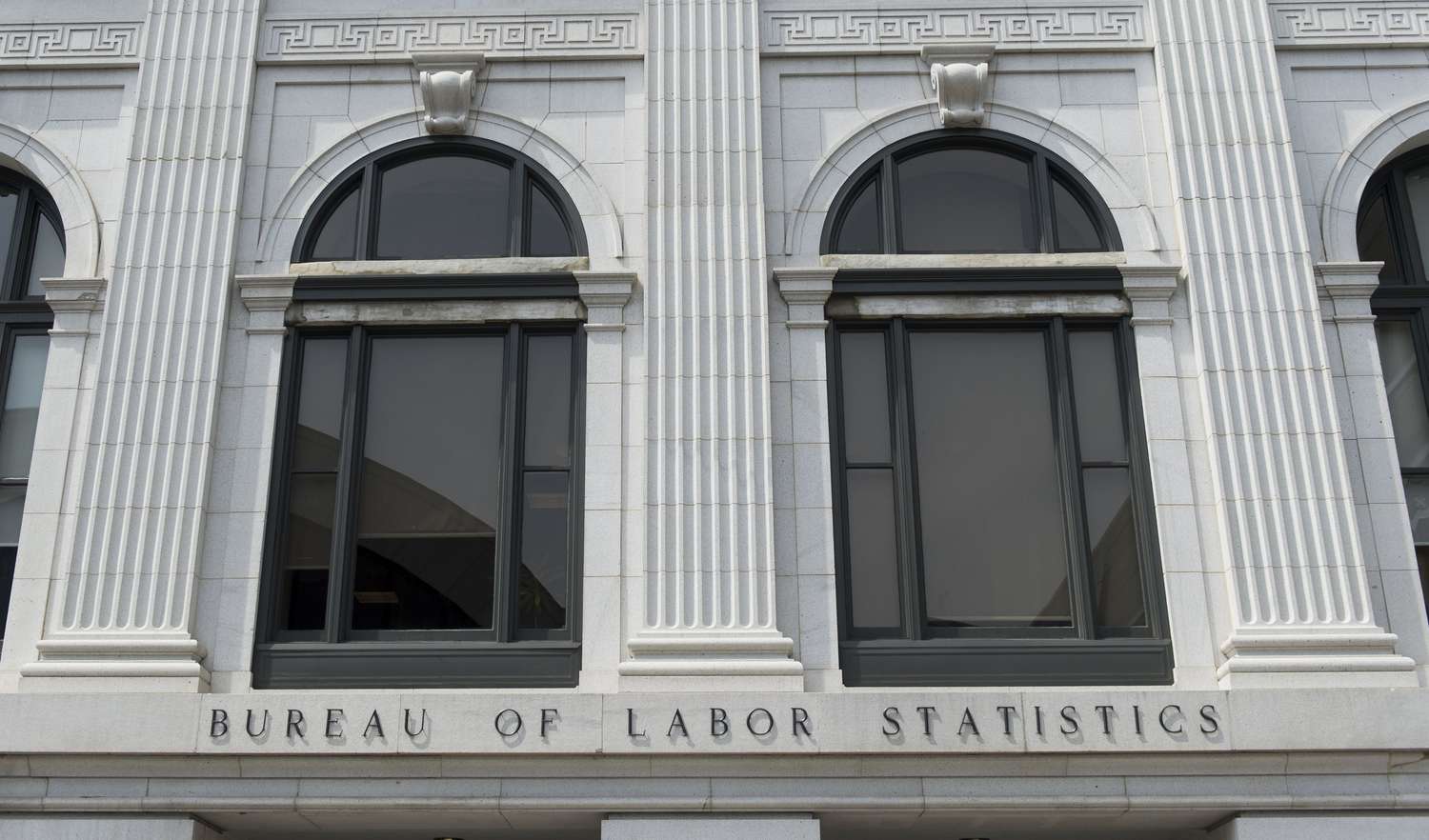
The tape is screaming. The numbers are wrong. We are looking at a statistical ghost. This morning, the Bureau of Labor Statistics released a Consumer Price Index report that sent shockwaves through the Treasury market. It was not just a beat. It was a violent correction. The headline figure snapped back with a ferocity that caught algorithmic traders off guard. But the surface level data is a lie. The structural rot lies in the collection methodology, or rather, the lack thereof during the recent federal paralysis.
The anatomy of a data gap
Washington went dark for three weeks in December. Federal agencies shuttered their doors. Data collectors stayed home. The gears of the Bureau of Labor Statistics ground to a halt. When the government finally reopened, the analysts were left with a massive hole in their spreadsheets. They had to guess. They used seasonal adjustments and historical proxies to fill the December void. Now, the January data is forcing a reconciliation. This is not organic inflation. This is a catch-up effect. Prices did not suddenly surge in the last thirty days. They surged over sixty days, but the reporting mechanism was broken. We are seeing two months of price increases compressed into a single print.
The mechanics of the snap back
Economists call this a distortion. Investors call it a nightmare. When the government stops collecting data, the volatility does not disappear. It accumulates. The January report shows a month-over-month increase that looks like a return to the dark days of the post-pandemic spiral. However, the core issue is the imputation of missing prices. During the shutdown, thousands of price points for services and commodities were simply not recorded. The BLS uses a process called ‘imputation’ to estimate these values. When the actual prices were finally logged this month, the discrepancy was massive. The delta between the estimate and the reality is what we are seeing in the current yield spike.
Market panic and the Federal Reserve dilemma
The Federal Reserve is in a corner. They rely on ‘data-dependency’ to set interest rates. But what happens when the data is corrupted? Jerome Powell is staring at a CPI print that suggests the fight against inflation is failing. Per recent reports from Bloomberg Markets, the 10-year Treasury yield surged past 4.3 percent immediately following the release. Traders are pricing in a ‘higher for longer’ scenario because they cannot distinguish between a statistical anomaly and a genuine trend. The Fed cannot afford to wait for the data to clean itself up. If they pause, they risk letting inflation expectations unanchor. If they hike, they risk breaking a banking sector already strained by the year-end liquidity crunch.
The hidden cost of institutional failure
This is the structural rot. Our financial markets are built on the assumption that federal data is a pristine reflection of reality. It is not. The shutdown proved that the infrastructure of our economic reporting is fragile. When the BLS stops working, the market loses its North Star. We are now navigating by starlight in a storm. The ‘snap back’ mentioned by Yahoo Finance is merely the first symptom of a deeper malaise. The distortion affects everything from Social Security adjustments to Treasury Inflation-Protected Securities (TIPS). The cost of this three-week blackout will be felt in the form of higher risk premiums for months to come.
| Metric | Pre-Shutdown Forecast | January Actual (Snap-Back) | Variance |
|---|---|---|---|
| Headline CPI (MoM) | 0.2% | 0.6% | +0.4% |
| Core CPI (YoY) | 3.4% | 3.9% | +0.5% |
| Shelter Costs | 0.3% | 0.7% | +0.4% |
| Real Earnings | -0.1% | -0.5% | -0.4% |
The table above illustrates the magnitude of the miss. Shelter costs, which are notoriously lagging, showed a massive upward revision. This suggests that the ‘soft landing’ narrative was built on a foundation of incomplete information. The reality is that the cost of living never stopped accelerating; the government just stopped measuring it. The markets are now forced to digest two months of pain in a single trading session. This is not a recovery. It is a reckoning.
The road to the next FOMC meeting
The focus now shifts to the upcoming Federal Open Market Committee meeting. The Fed will have to decide whether to look through this data or react to it. History suggests they will choose the latter. They cannot risk being seen as ‘behind the curve’ again. The volatility in the swaps market indicates that the probability of a March rate cut has evaporated. We are looking at a potential hike if the February data does not show a significant cooling. The next major data point to watch is the Personal Consumption Expenditures (PCE) price index, scheduled for release on January 30. If the PCE confirms the CPI snap-back, the narrative of 2026 will shift from ‘normalization’ to ‘crisis management’. Watch the 2-year yield closely; a move above 4.8 percent will signal that the market has completely lost faith in the transitory nature of this spike.