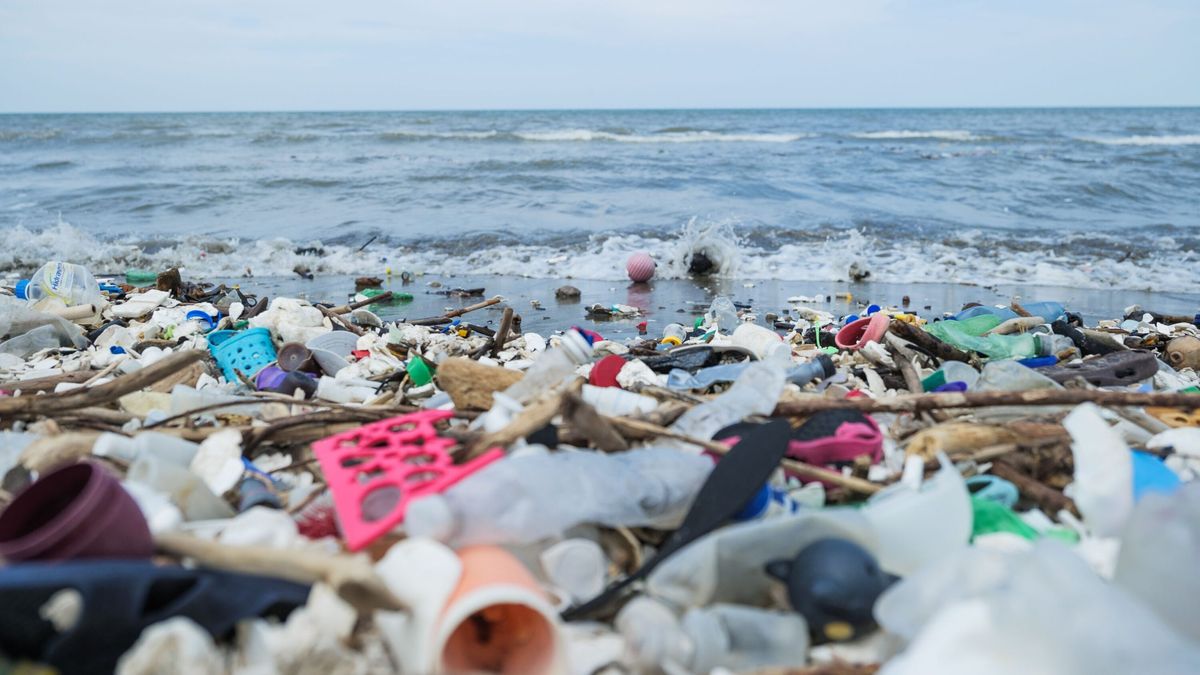
Two thousand trucks. Every single day.
That is the volume of plastic debris hemorrhaging into the world’s oceans and lakes. The United Nations Development Programme (UNDP) recently flagged this metric as a symbol of systemic failure. It is not a consumer problem. It is a structural one. The global economy is currently optimized for waste. Virgin plastic production is decoupling from environmental reality. Major petrochemical players are doubling down on capacity despite a saturated market. The result is a race to the bottom in resin pricing that makes recycling a financial impossibility.
The Thermodynamics of a Failed Market
Mechanical recycling is a thermodynamic nightmare. Each time a polymer is processed, the molecular chains shorten. The quality drops. This is not a circle. It is a downward spiral. Most plastic can only be repurposed once or twice before it becomes unprocessable sludge. According to data from Reuters, the global capacity for virgin plastic production is expected to increase by 25 percent over the next decade. This supply glut is driven by cheap ethane feedstock in the United States and massive state-backed projects in China. The market is being flooded with cheap, new plastic. This suppresses the price of recycled pellets. No rational business buys recycled resin when virgin material is 30 percent cheaper.
The Plastic Arbitrage
Financial markets treat plastic as an externality. The cost of cleaning 2,000 garbage trucks of waste per day is not reflected on the balance sheets of resin producers. This is a classic market failure. Investors are beginning to notice the liability shift. As of January 10, 2026, several large-scale litigation efforts have been filed against consumer goods giants for misleading circularity claims. The “Greenwashing” premium is evaporating. Per reports from Bloomberg, the spread between virgin PET and rPET (recycled PET) has widened to a point where corporate sustainability targets are being quietly delayed. The economics do not work. You cannot build a circular economy on a foundation of subsidized fossil fuels.
The Resin Price Disconnect
The following table illustrates the current price disparity in the North American market as of early January. The gap between virgin and recycled materials remains the primary barrier to systemic change.
| Material Type | Virgin Price (USD/MT) | Recycled Price (rPET) | Premium (%) |
|---|---|---|---|
| Polyethylene (HDPE) | 1,150 | 1,480 | 28.7% |
| Polypropylene (PP) | 1,220 | 1,610 | 32.0% |
| Polyethylene Terephthalate (PET) | 1,080 | 1,550 | 43.5% |
The Chemical Recycling Mirage
The industry is now pivoting to a new narrative. They call it chemical recycling. Or advanced recycling. This involves breaking plastic down into its constituent monomers using high heat. It is incredibly energy-intensive. It is also unproven at scale. Most “chemical recycling” facilities are essentially glorified incinerators. They turn plastic into low-grade fuel. This is not circularity. It is just burning oil with extra steps. The carbon footprint of these processes often exceeds that of virgin production. The technical reality is that we cannot innovate our way out of a volume problem. The UNDP data suggests that the sheer mass of production has overwhelmed the planet’s carrying capacity.
Regulatory Squeeze and the Global Treaty
Governments are finally losing patience. The UN Global Plastic Treaty negotiations are entering a critical phase this quarter. The focus is shifting from waste management to production caps. This is the existential threat for the petrochemical industry. If production is capped, the entire business model of the last fifty years collapses. We are seeing a massive lobbying effort to keep the focus on “downstream” solutions like better trash cans and individual recycling habits. It is a distraction. The problem starts at the cracker plant, not the kitchen sink.
The next data point to watch is the Q1 2026 earnings reports for the major diversified chemical companies. Analysts will be looking for capital expenditure shifts away from new polymer plants toward genuine bio-based alternatives. Any delay in these shifts signals a continued bet on the status quo. The 2,000 trucks will continue to dump their loads until the cost of production reflects the cost of disposal.