The Era of Global Price Discovery is Dead
The warehouse is empty. Traders are panicked. The London Metal Exchange is no longer a mirror of reality. For two decades, the global metals market operated on a singular, predictable heartbeat. China built skyscrapers and the rest of the world dug holes. This symbiotic relationship created a super-cycle that defined the early 21st century. That cycle has not just ended. It has been dismantled by policy and protectionism.
Metals have entered a fragmented era. This shift is the most significant structural change since the 2000s. We are moving away from a market driven by demand and toward one dictated by geopolitical leverage. Prices are no longer set by the marginal cost of production. They are set by the whims of state actors and the urgency of national security mandates. The latest LME inventory data confirms a terrifying trend. Stocks are at multi-year lows while premiums for physical delivery are skyrocketing.
The Indonesian Nickel Gambit
Jakarta has rewritten the rules. By banning raw ore exports and forcing domestic processing, Indonesia has seized control of the nickel supply chain. This is not just industrial policy. It is a cartelization of the energy transition. The market is now split between clean nickel compliant with the U.S. Inflation Reduction Act and the cheaper, carbon-intensive supply flowing into China. This bifurcation creates a permanent arbitrage that traditional hedge funds are struggling to price.
Smelter margins are under siege. Technical constraints in high-pressure acid leach (HPAL) plants mean that supply cannot simply be turned on like a tap. The cost of capital for new projects has doubled. Investors are demanding a geopolitical risk premium that makes traditional discounted cash flow models obsolete. We are seeing a structural rot in the way mining projects are financed. Capital is fleeing the open market and hiding in bilateral state-to-state agreements.
Projected Supply Deficit by Metal (Q1 2026 Forecast)
Copper and the Industrial Cannibalization
Copper is the new oil. But unlike oil, you cannot simply pump more out of a shale well. The grade of existing mines is declining. Deep-level mining in Chile and Peru is becoming prohibitively expensive due to water scarcity and labor unrest. According to recent reports from the Andean mining belt, social license costs now account for nearly 15 percent of total capital expenditure.
Artificial Intelligence is cannibalizing the supply. The massive build-out of data centers requires a volume of copper that the market did not anticipate three years ago. This is a zero-sum game. Every ton of copper used for a GPU cluster is a ton not used for an electric vehicle or a traditional power grid. We are entering a phase of forced rationing by price. This is the fragmented, policy-driven market that ING Economics warned about this morning.
The Death of Arbitrage
Standardization is over. In the old world, a ton of copper in London was the same as a ton in Shanghai. Today, the carbon footprint of that copper determines its value. The European Union’s Carbon Border Adjustment Mechanism (CBAM) has turned the metals market into a bureaucratic nightmare. Traders must now track the scope-three emissions of every shipment. This is not about the environment. It is about trade war by other means.
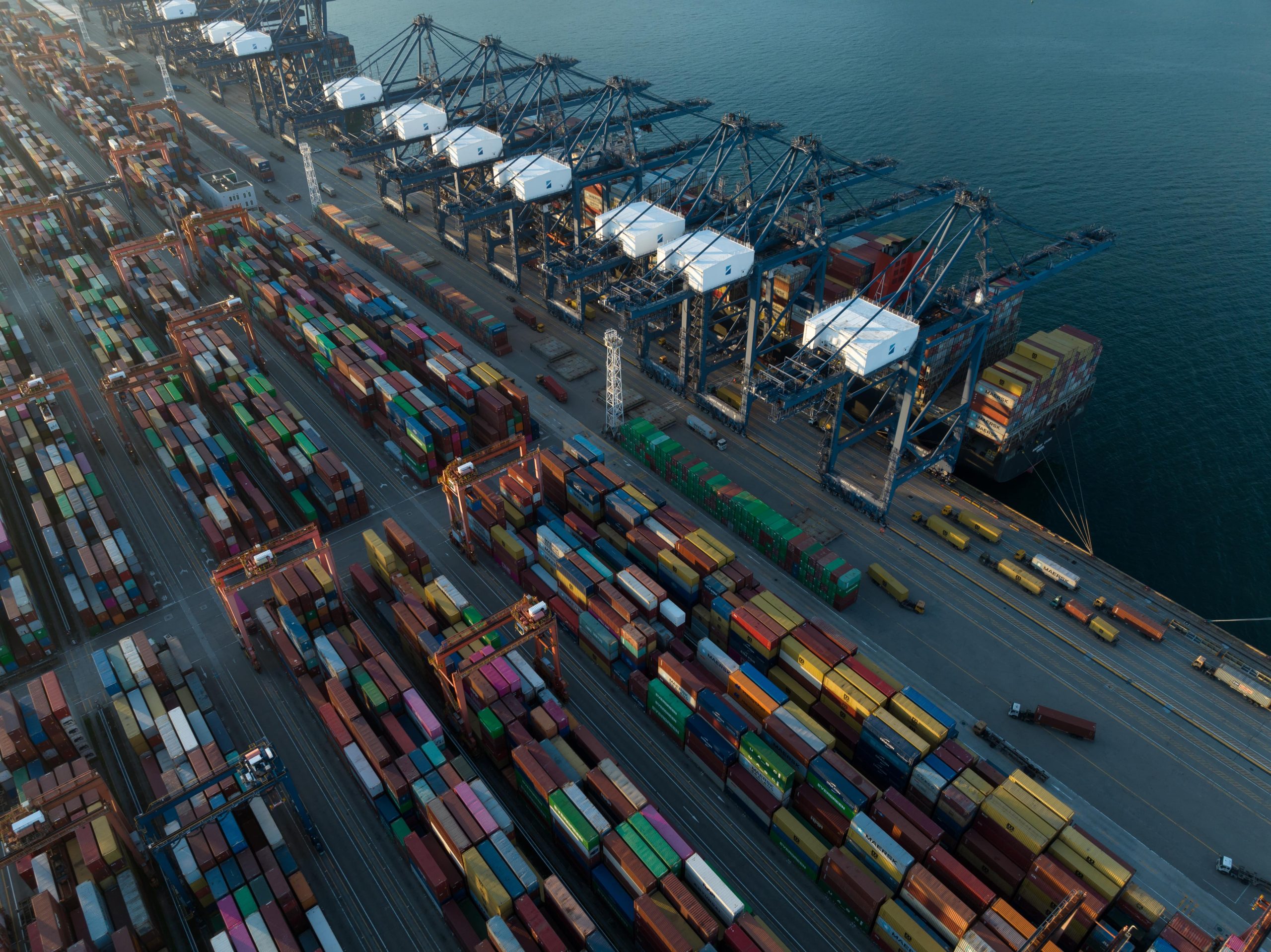
Physical delivery is becoming a logistical minefield. Sanctions on Russian aluminum and the redirection of flows toward the Middle East have broken the traditional logistics chains. The cost of freight and insurance is no longer a rounding error. It is a primary driver of the spot price. Financial players are exiting the space because the volatility is no longer manageable with standard VaR (Value at Risk) models. The liquidity is drying up just when the world needs it most.
| Metal Category | Geopolitical Risk Factor | Supply Concentration |
|---|---|---|
| Critical Minerals | High (IRA/CBAM Compliance) | 78% (Top 3 Producers) |
| Base Metals | Medium (Labor/Energy Costs) | 45% (Top 3 Producers) |
| Precious Metals | Low (Traditional Safe Haven) | 30% (Top 3 Producers) |
The structural rot is evident in the divergence between paper prices and physical reality. While the screen says one thing, the buyer at the port is paying a vastly different price. This disconnect is a symptom of a system that is no longer fit for purpose. The globalized, efficient market of the 2010s was a historical anomaly. We are returning to a world of strategic autarky where access to raw materials is a tool of statecraft rather than a function of commerce.
Watch the February 15 LME inventory audit. If the drawdown in copper stocks continues at the current pace of 4,000 tons per week, the exchange will face a localized default by the end of the quarter. This is the next specific milestone for the market to navigate.