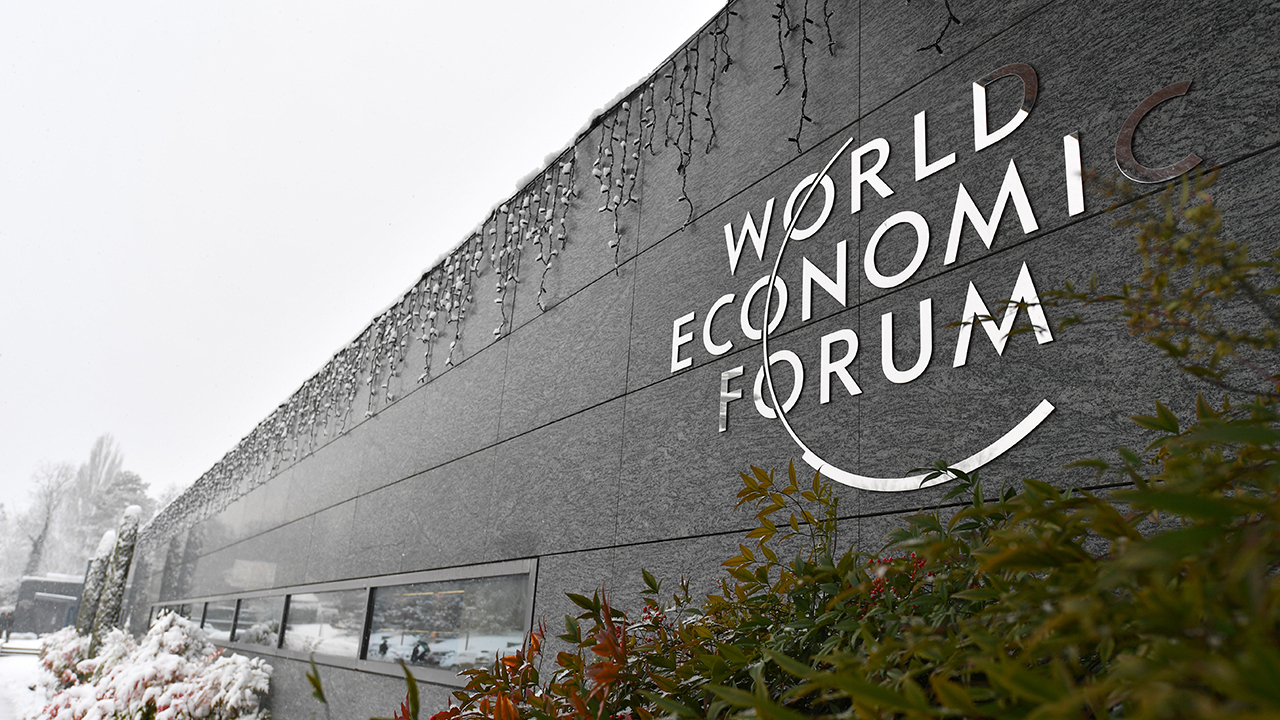
The Great Decoupling of 2025
Trust is a non-performing loan. Børge Brende opened the year in Davos speaking of a return to stability, but the data on December 21 tells a more fractured story. While the World Economic Forum 2025 meeting focused on Cooperation in a Fragmented World, the fragmentation has only deepened into a structural chasm. The optimistic projections of 3.2 percent global growth have been shredded by the reality of the G7’s inability to coordinate a soft landing.
Sovereign debt is the new contagion. In January, the WEF Global Risks Report warned of economic downturns, yet it failed to account for the velocity of the capital flight from emerging markets into the US dollar. As of this week, the dollar index remains stubbornly high, crushing the liquidity of the Global South. This is not the cooperation promised in the Swiss Alps; it is a survivalist trade war masquerading as policy.
Energy is the new gold. The shift toward the Nature-Positive framework was intended to harmonize trade and climate goals. Instead, it triggered the most aggressive protectionism since the 1970s. The implementation of the Carbon Border Adjustment Mechanism (CBAM) has created a dual-tier global market where only the wealthiest nations can afford to play by the green rules. This has effectively sidelined manufacturing hubs in Southeast Asia, leading to the supply chain volatility we are witnessing today.
Visualizing the 2025 Interest Rate Divergence
Central banks have abandoned the collective approach. The chart below illustrates the widening gap between major economies as they prioritize national inflation targets over global stability. This divergence is the primary driver of the current currency volatility.
The Collapse of the Multilateral Trade Narrative
Tariffs are the primary weapon. The WEF’s push for digital transformation was supposed to streamline borders. However, as Reuters recently reported, the rise of digital services taxes has created a new layer of friction. We are moving toward a world of digital islands rather than a global village. The promise of the Fourth Industrial Revolution has been hijacked by national security interests, leading to the current semiconductor blockade that has crippled tech valuations over the last quarter.
Hyper-inflation is stalking the Eurozone. While the US managed to dampen consumer price increases through aggressive domestic production, Europe is reeling from the energy transition’s hidden costs. The disconnect between the corporate ESG commitments made in Davos and the actual capital expenditures required to keep the lights on has left a massive funding gap. This gap is currently being filled by high-interest private credit, which is a ticking time bomb for the mid-cap sector.
Global Economic Indicators as of December 21, 2025
The following table breaks down the hard data that contrasts the year-start optimism with the current year-end reality across key economic blocs.
| Region | Projected GDP (Jan) | Actual GDP (Dec) | Inflation (Dec) | Debt-to-GDP |
|---|---|---|---|---|
| United States | 2.1% | 1.8% | 3.4% | 124% |
| European Union | 1.4% | 0.6% | 4.1% | 89% |
| China | 4.8% | 4.2% | 0.2% | 285% |
| India | 6.5% | 6.9% | 5.1% | 83% |
India is the outlier. The data shows that New Delhi has effectively decoupled from the G7 malaise by ignoring the WEF’s advice on rapid carbon reduction. By doubling down on coal while simultaneously building out a world-class digital stack, India has maintained the growth that the West has lost. This is the alpha that investors missed: the winners of 2025 were those who ignored the Davos consensus in favor of national self-interest.
Technological Friction and AI Disillusionment
The AI bubble has met the energy wall. In early 2025, the WEF touted AI as the savior of productivity. What they ignored was the grid requirement. By mid-year, the cost of powering LLM data centers surged by 40 percent in key markets like Virginia and Ireland. The productivity gains have not materialized fast enough to offset the infrastructure costs, leading to the December sell-off in big tech. This is not a cyclical dip; it is a structural reassessment of the ROI on artificial intelligence.
Geopolitics is now the lead indicator. Traditional financial metrics have been rendered secondary to the risk of regional conflicts. The Red Sea shipping disruptions, which many at Davos thought would be resolved by spring, have become the permanent status quo. This has added a structural 2 percent to global shipping costs, a permanent inflationary pressure that central banks are currently powerless to fight. Per Yahoo Finance data, the Baltic Dry Index has remained at elevated levels throughout the fourth quarter, signaling that the supply chain crisis is far from over.
Watch the January 15, 2026, opening of the Davos 2026 summit. The theme will likely pivot from cooperation to resilience, which is code for survival. The specific data point that will dictate the first quarter of the new year is the 10-year US Treasury yield. If it breaks the 5.2 percent resistance level during the first week of January, the liquidity trap will snap shut on the remaining over-leveraged tech firms.