The 60/40 Split Is Legally Dead
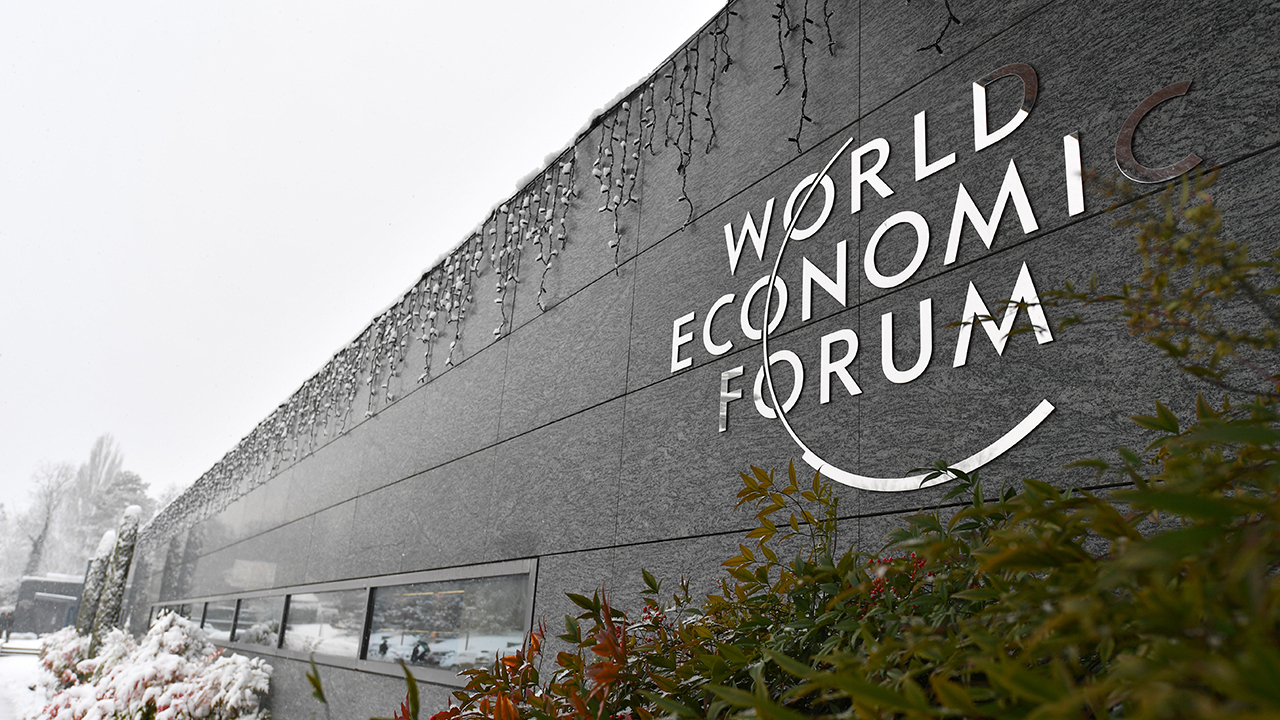
Capital is no longer a commodity. On December 17, 2025, the S&P 500 shed 1.16% to close at 6,721.43, marking its fourth consecutive decline as the market digested the Federal Reserve’s latest signaling. While the Federal Open Market Committee lowered the benchmark rate to a range of 3.5%–3.75% earlier this month, the 10-year Treasury yield remains stubbornly high at 4.12%. This disconnect defines the backdrop for the 56th World Economic Forum (WEF) in Davos, scheduled for January 19, 2026. Larry Fink, Chairman and CEO of BlackRock, is no longer pitching sustainability as a moral imperative; he is pitching it as a $13.5 trillion infrastructure play.
The $13.5 Trillion Private Market Pivot
BlackRock is moving. In the 48 hours leading into December 18, 2025, institutional flows have accelerated away from traditional equity/bond mixes. Per BlackRock’s Q3 2025 disclosures, the firm now manages $13.5 trillion in assets under management (AUM), a massive 19% compound annual growth rate since 1995. Fink’s recent strategic acquisitions of Global Infrastructure Partners (GIP) and HPS Investment Partners signal a total abandonment of the legacy 60/40 portfolio. He is now advocating for a 50/30/20 model: 50% stocks, 30% bonds, and 20% private assets.
This shift is a response to the “Capital Markets Revolution.” Governments can no longer fund infrastructure through deficits without triggering sovereign debt crises. Consequently, the burden of funding the energy transition and AI data center expansion has shifted to private credit. BlackRock is positioning itself as the primary gatekeeper for these private flows, effectively bypassing the constrained bank lending environment that has plagued 2025.
Market Metrics as of December 18, 2025
The following table tracks the divergence between traditional benchmarks and the rising cost of capital in late 2025.
| Asset / Indicator | Value (Dec 17, 2025) | 24-Hour Change | Year-over-Year (Est.) |
|---|---|---|---|
| S&P 500 Index | 6,721.43 | -1.16% | +14.7% |
| 10-Year Treasury Yield | 4.12% | -4 bps | -45 bps |
| Bitcoin (BTC/USD) | $86,100 | -4.6% | +115% |
| Gold Futures | $4,375 | +1.0% | +22% |
| Fed Funds Rate | 3.50% – 3.75% | 0.00% | -175 bps |
Davos 2026 and the Spirit of Dialogue
The theme for Davos 2026, “A Spirit of Dialogue,” is a misnomer for the real agenda: resource competition. While the WEF press releases focus on “planetary boundaries,” the meeting will prioritize the logistics of the “Energy Pragmatism” era. Fink’s participation as Co-Chair underscores the reality that institutional capital now dictates policy more than legislative bodies do. With the US dollar’s status as the global reserve currency under scrutiny—a point Fink emphasized in his 2025 Chairman’s Letter—the focus has shifted to tokenization and digital assets as a hedge against fiscal insolvency.
The Technical Mechanism of Private Credit Dominance
Why is Fink obsessed with private credit? The mechanism is simple: bank lending is dying under the weight of Basel III endgame regulations. For a mid-sized corporation or a large-scale data center project, securing a loan from a traditional bank in late 2025 involves navigating a labyrinth of capital requirements that banks can no longer afford to meet. Private credit funds, which are not subject to these specific leverage constraints, provide the liquidity that the banking sector cannot. BlackRock’s acquisition of HPS and the expansion of the Aladdin platform to track private market data are designed to commoditize this $1.7 trillion market, effectively creating a secondary market for debt that was previously illiquid.
The next milestone is January 19, 2026. Global investors must monitor the 10-year Treasury yield during the Davos sessions. If the yield breaks above the 4.30% resistance level while global leaders discuss “cooperation,” the valuation floor for private infrastructure projects will collapse, forcing a massive repricing of BlackRock’s newest asset classes.