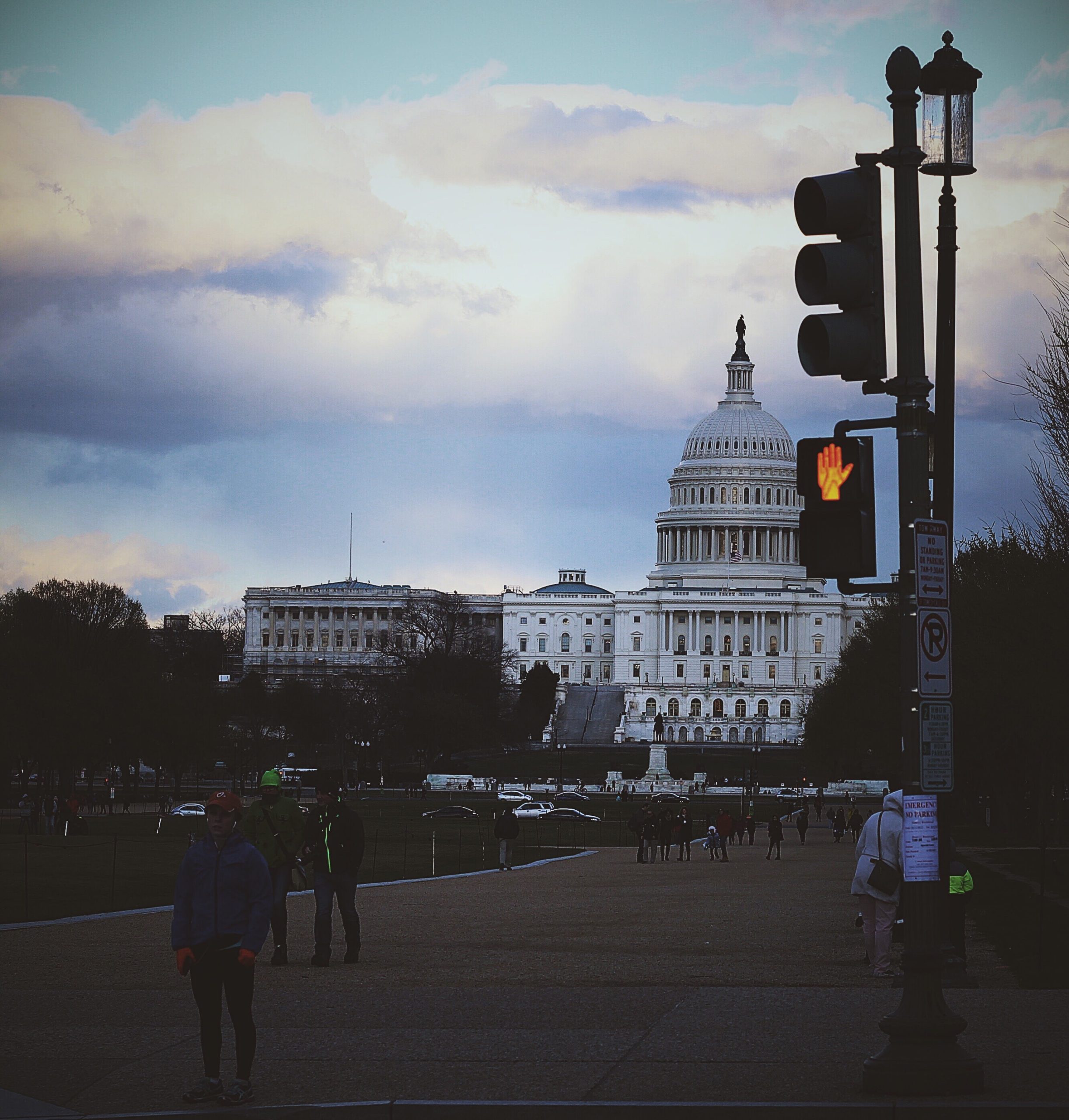
Markets are celebrating a ghost. On December 10, the Federal Reserve delivered its third consecutive 25-basis-point cut, lowering the benchmark rate to a range of 3.50% to 3.75%. To the casual observer, the 2.7% headline inflation print released earlier this week suggests a victory. But a closer look at the numbers reveals a structural nightmare. The 43-day government shutdown that paralyzed Washington this autumn has left massive gaps in the Bureau of Labor Statistics data. We are flying blind, and the instruments are broken.
The Great Data Blackout
Blind policy is dangerous policy. Because of the recent federal shutdown, the October CPI report was effectively canceled, leaving the Federal Open Market Committee (FOMC) to rely on a two-month ‘interpolated’ average for November. This statistical smoothing masks a core reality: private data aggregators like Reuters and MNI indicate that core goods prices are actually accelerating due to recent tariff pass-throughs. The 2.6% core inflation ‘miss’ is not a sign of cooling; it is a lack of collection. When the BLS eventually reconciles these figures in early 2026, the ‘soft landing’ narrative will likely evaporate into a reflationary spike.
The FOMC’s Fragile Consensus
The internal rot at the Fed is becoming visible. For the first time since 2019, the committee is deeply fractured. While Chair Jerome Powell emphasizes labor market weakness, regional presidents Austan Goolsbee and Jeffrey Schmid dissented in favor of a hold. Meanwhile, Governor Stephen Miran demanded a 50-basis-point ‘shock’ cut. This lack of cohesion proves that the Fed no longer has a clear read on the neutral rate. They are guessing.
The 2026 Refinancing Wall
Debt does not disappear; it just gets more expensive. While the Fed cuts on the short end, long-term yields remain stubbornly high. This is the ‘catch’ for 2026. According to S&P Global, nearly $1 trillion in speculative-grade corporate debt and commercial real estate loans will hit their maturity wall in 2026. Most of this paper was inked in 2021 when rates were near zero. Even with the December cuts, these firms will be forced to refinance at nearly double their previous coupons. This is a mathematical certainty that no amount of ‘dovish tone’ from Powell can fix.
The commercial real estate sector is particularly vulnerable. Office valuations have plummeted 30% since 2023, yet the debt loads remain fixed. Banks, which hold nearly 60% of these maturing mortgages, are already showing signs of credit tightening. We are moving from a liquidity crisis to a solvency crisis, and the transition will be abrupt.
Geopolitical Brittle Truce
The Busan Truce is a facade. The October 30 agreement between President Trump and President Xi Jinping, which lowered tariffs from 57% to 47%, has been hailed as a breakthrough. However, the requirement for China to purchase 12 million metric tons of soybeans by February 2026 is already behind schedule. As of this week, only 8 million tons have been booked. Per reports from Bloomberg, Chinese state buyers are increasingly looking toward Brazilian supplies to hedge against a potential return of the 60% tariff floor if the US administration deems the truce ‘violated’ in January.
Trade friction is inherently inflationary. The ‘new trio’ of Chinese exports—electric vehicles, lithium batteries, and solar panels—now faces a rolling implementation of Section 301 semiconductor tariffs starting in 2027. This ensures that even if the Fed wins the battle against domestic demand-pull inflation, cost-push inflation from global trade barriers will keep the floor under prices much higher than the 2% target.
Current Market Vulnerabilities
- Yield Curve Inversion: The 2-year and 10-year spread remains erratic, signaling that the bond market does not believe in the Fed’s growth projections.
- Labor Overstatement: Chair Powell admitted on December 11 that monthly jobs figures may be overstated by as much as 60,000 positions per month due to the shutdown’s impact on survey response rates.
- Corporate Cash Burn: Speculative-grade firms (CCC-rated) have seen their interest coverage ratios drop to 1.4x, the lowest since the 2008 financial crisis.
The current market rally is built on the assumption that the Fed knows what it is doing. But the data they are using is a patchwork of estimates and ‘interpolated’ guesses. The real test is the January 15, 2026, Treasury auction. This event will reveal if global investors are willing to continue financing the $1.5 trillion US deficit at these levels, or if the refinancing wall will finally crumble. Watch the 10-year yield; if it breaches 4.5% despite the Fed’s cuts, the landing will be anything but soft.