Capital Efficiency in the Sub-Saharan Breadbasket
The digitization of the African savannah is less an exercise in Silicon Valley idealism and more a calculated response to the brutal macro-economic realities of 2025. As of December 16, 2025, the agricultural sector in Sub-Saharan Africa (SSA) finds itself at a critical juncture. The structural deficit in food production, once viewed through the lens of humanitarian aid, has been reframed as a massive capital efficiency problem. With global grain markets experiencing volatility due to lingering supply chain recalibrations, the push for localized, tech-enabled productivity is no longer optional. It is the only hedge against a $100 billion annual food import bill that threatens the sovereign debt stability of nations from Nigeria to Kenya.
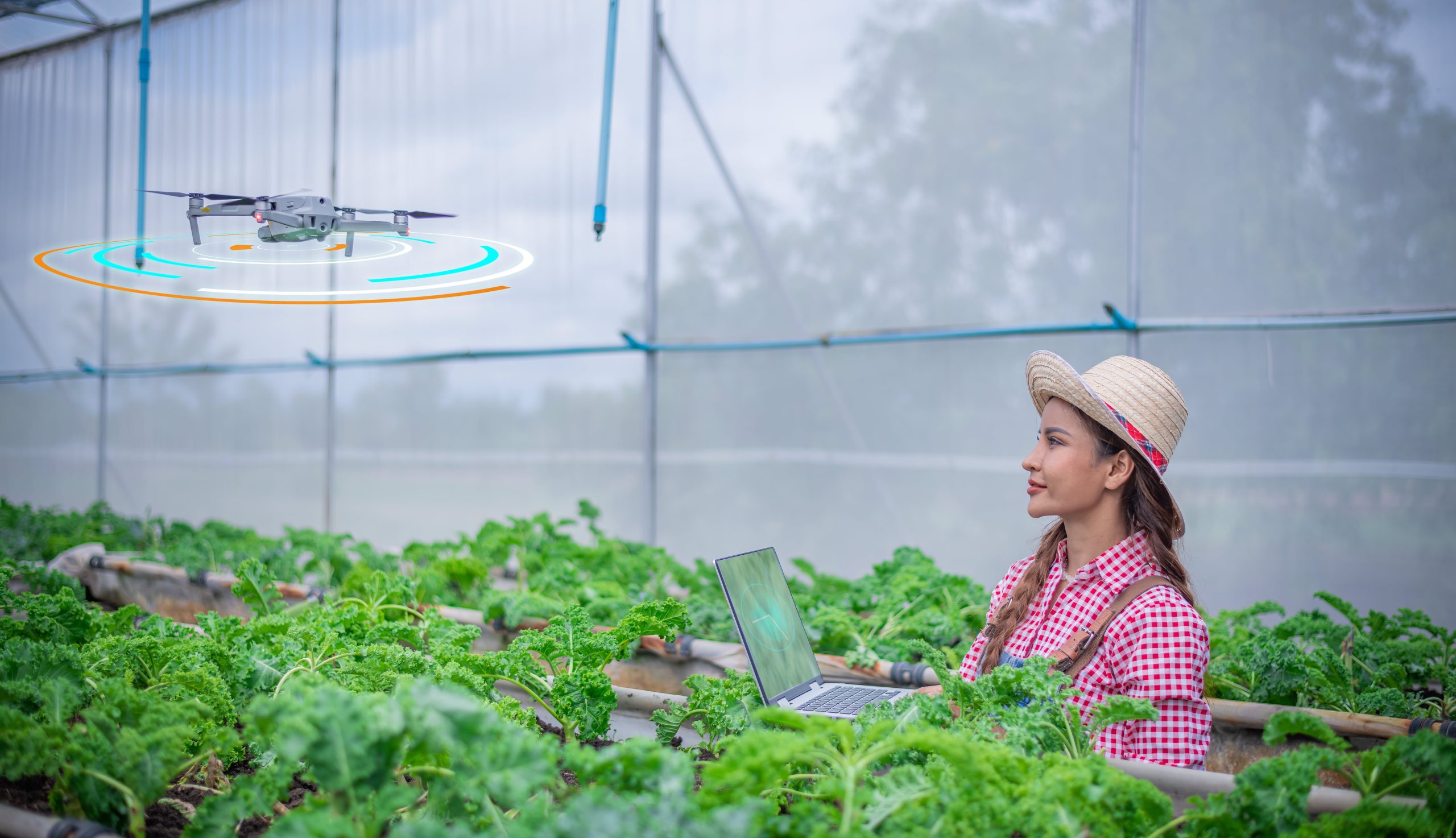
Central to this shift is the deployment of artificial intelligence as a layer of logistics and financial trust. Platforms like Hello Tractor have effectively decoupled the utility of mechanization from the burden of asset ownership. By digitizing 3.5 million acres of farmland, the region has moved beyond subsistence mapping into the realm of precision resource allocation. This is not merely about tracking a tractor on a GPS screen. It is about the commodification of agricultural data to de-risk a sector that has historically been unbankable.
The Quantitative Impact of Predictive Logistics
The numbers reported this week confirm a significant structural shift. The addition of 5 million tons of food to the regional supply chain is not a statistical anomaly but the result of a deliberate optimization of the planting window. In a region where a two-week delay in planting can result in a 30 percent yield loss, AI-driven scheduling acts as a critical buffer. According to the latest World Bank Africa Economic Update, the integration of digital tools has begun to move the needle on total factor productivity, a metric that has stagnated in SSA for decades.
This productivity surge is being measured against a backdrop of fluctuating input costs. While fertilizer prices have retreated from their 2022 peaks, the logistical cost of getting those inputs to the ‘last mile’ remains prohibitive. Here, AI serves as a demand aggregator. By pooling the needs of thousands of smallholders, digital platforms create the scale necessary to negotiate better terms with global suppliers, effectively bypassing the fragmented and inefficient traditional middleman networks.
Incremental Food Production via AI Adoption (Millions of Tons)
Source: Aggregate Sector Data as of Dec 15, 2025
The Labor Market Transformation
Critics often argue that mechanization is a net negative for employment in labor-surplus economies. However, the data from the 2025 agricultural cycle suggests a more nuanced transition. The creation of 6,000 highly skilled jobs within the tech-agri ecosystem points to a ‘skilling up’ of the rural workforce. These are not traditional field hands but fleet managers, data analysts, and IoT technicians who represent a new middle class in rural corridors. This shift is essential for reversing the tide of urban migration that puts undue pressure on the infrastructure of mega-cities like Lagos and Nairobi.
The financial services sector is also taking note. Commercial banks, which previously allocated less than 5 percent of their loan portfolios to agriculture, are now using the data generated by these AI platforms as a form of synthetic collateral. When a farmer’s history of yield, soil health, and machine usage is verifiable, the risk premium drops. This democratization of credit is perhaps the most transformative ‘side effect’ of the 3.5 million acres digitized to date.
Macro Risks and the Infrastructure Bottleneck
Despite the optimism, significant headwinds remain. The primary risk is the widening gap between tech-enabled commercial clusters and the isolated smallholder. If AI adoption is concentrated only among those with the existing capital to pay for ‘Tractor-as-a-Service’ models, we risk creating a dual-track agricultural economy. Furthermore, the physical infrastructure—roads, silos, and cold chain storage—has not kept pace with the digital advancements. Producing 5 million extra tons of food is a hollow victory if 30 percent of it rots before reaching a market due to poor logistics.
The recent volatility in global commodity markets, particularly in softs like cocoa and maize, underscores the urgency of building a more resilient internal market. The current reliance on international pricing mechanisms leaves African producers vulnerable to currency devaluations. A localized, data-driven market where supply and demand are matched in real-time could decouple regional food security from the whims of the Chicago Board of Trade.
Comparative Yield and Input Efficiency Analysis
The following table illustrates the performance gap between traditional methods and AI-managed plots during the 2025 harvest season, reflecting the efficiency gains that are driving investor interest.
| Metric | Traditional (Non-Digitized) | AI-Managed (Digitized) | Variance (%) |
|---|---|---|---|
| Average Yield (Tons/Hectare) | 1.4 | 2.8 | +100% |
| Fertilizer Waste Rate | 22% | 8% | -63.6% |
| Machine Downtime (Days/Season) | 14.2 | 3.1 | -78.2% |
| Cost of Credit (APR) | 28-35% | 12-18% | -51.4% |
As we approach the end of the 2025 fiscal year, the narrative of African agriculture is being rewritten from one of scarcity to one of untapped potential. The convergence of IoT hardware, AI software, and mobile-first financial services has created a feedback loop that rewards efficiency and penalizes the archaic. For institutional investors, the ‘alpha’ in African markets is increasingly found in the soil, provided that soil is mapped, measured, and managed.
The next major milestone for the region is the scheduled launch of the Pan-African Digital Agriculture Exchange in early 2026. This initiative aims to standardize the data protocols for the 3.5 million acres currently digitized, allowing for cross-border carbon credit trading. Analysts should keep a close eye on the February 2026 fertilizer subsidy auctions in Abuja, which will serve as the first real test of whether AI-driven demand forecasting can successfully reduce the fiscal burden on national treasuries.