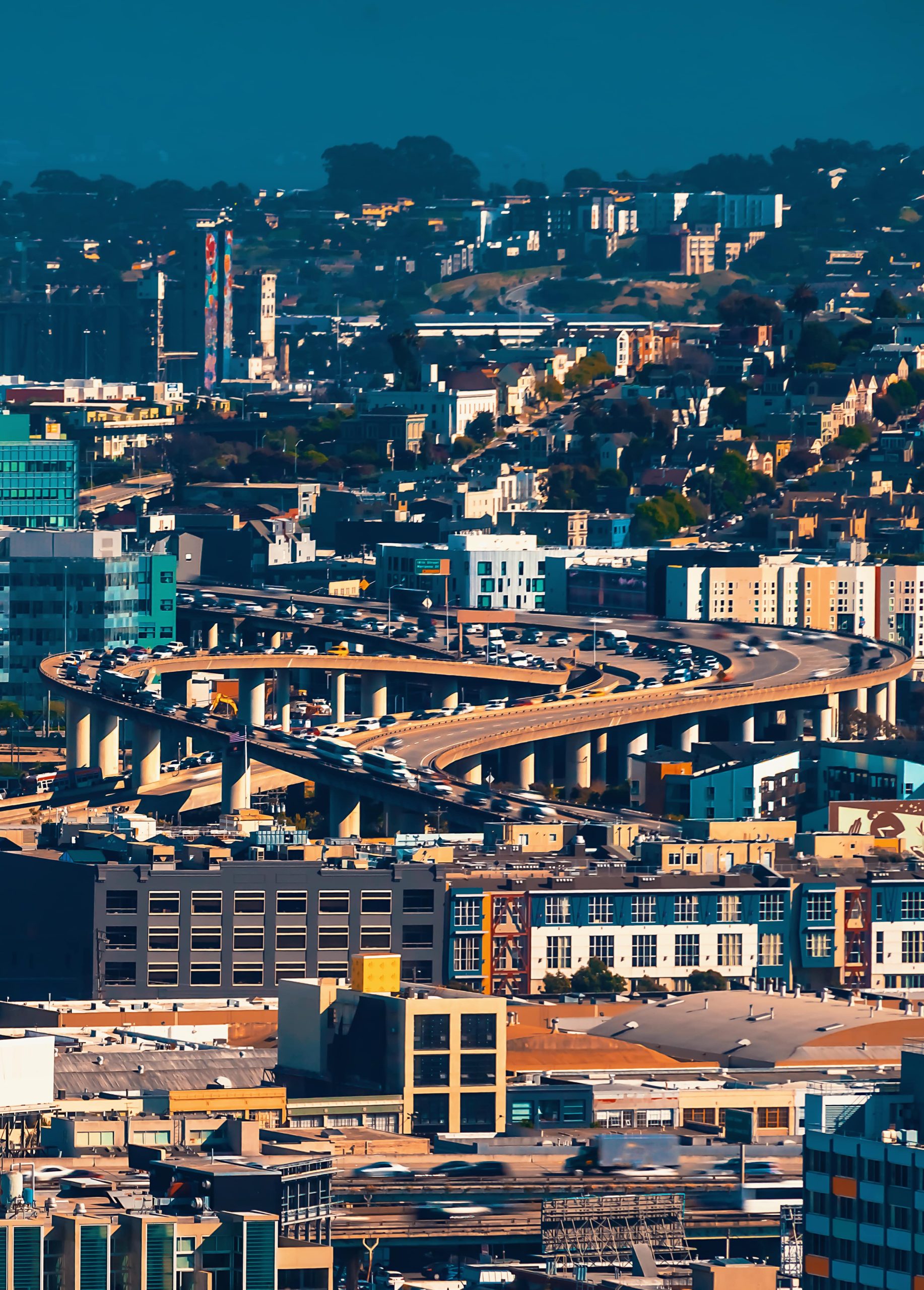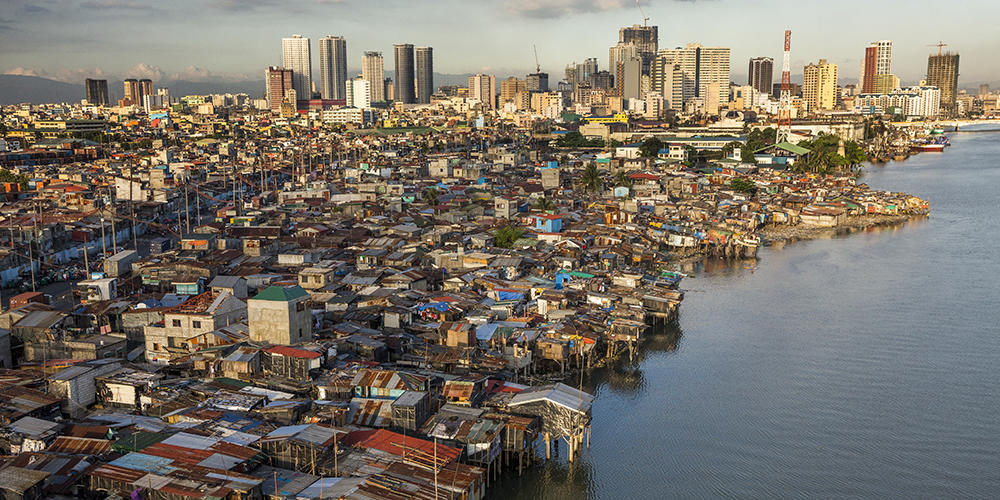
The Great Liquidity Rotation of December 2025
Capital is no longer a monolith in the East. As of December 14, 2025, the narrative of Asian urbanization has pivoted from the overcrowded smog of Tier-1 capitals to the high-yield precision of secondary industrial corridors. While the broader market celebrates a nearly 30% year-to-date rally in the MSCI Emerging Markets Asia Index, the underlying data reveals a violent divergence between old-world infrastructure and the new digital-industrial complex. The index, which touched 765.84 on December 12, masks a significant flight from sovereign debt into specialized real estate.
Institutional arbitrageurs are currently exploiting the spread between stagnant Western commercial yields and the explosive demand for AI-ready infrastructure in Southeast Asia. This is not the urbanization of decades past characterized by mass migration into slums; this is a capital-intensive land grab for the power grids and cooling capacities required to sustain the region’s burgeoning digital economy.
The Technical Mechanism of the Data-Urbanization Loop
The primary driver of 2025’s most profitable urban plays is the localization of compute. According to recent Asian Development Bank (ADB) project allocations, the focus has shifted from general connectivity to high-density power corridors. In Johor, Malaysia, and Bac Ninh, Vietnam, urbanization is being retrofitted around data centers. This “Data-Urbanization Loop” creates a self-fulfilling prophecy: as hyperscalers like Amazon and Google anchor themselves in secondary hubs, they trigger a massive build-out of nearby residential and logistics infrastructure to service the high-income workforce and the supply chains they attract.
This shift has turned the industrial park into the new sovereign asset. In Northern Vietnam, occupancy rates have stabilized at a staggering 80%, while Southern hubs like Binh Duong are operating at 92% capacity. The revenue model is no longer just rent; it is the control of high-voltage power rights and specialized water cooling networks.
MSCI EM Asia Price Action (Dec 1 – Dec 12, 2025)
Follow the Money: The Flight from Sovereign Debt
The risk profile of Asian urbanization is currently being tested by the currency markets. Mid-month reports from the Reserve Bank of India indicate a historic stress point as the Rupee tests the psychological 91-per-dollar barrier. This currency erosion has triggered a record $1.6 billion outflow from Indian sovereign bonds in the first two weeks of December 2025 alone. The “reward” is no longer found in local currency carry trades, but in hard-asset equity within the manufacturing and utility sectors.
Sophisticated investors are rotating out of the general “India Growth” narrative and into specific industrial real estate investment trusts (REITs) that hold long-term USD-indexed leases with global tech giants. The yield compression in Mumbai and Delhi has forced institutional capital into the high-growth margins of Tier-2 hubs like Pune and Da Nang, where land values are currently appreciating at a 9% clip annually.
The Resilience of Industrial Occupancy
The following table illustrates the stark reality of current occupancy rates across the region’s most active industrial zones as we approach the final weeks of 2025. These figures demonstrate why general urbanization summaries fail: the value is concentrated in specific geographies that can support high-voltage industrial workloads.
| Region | Primary Asset Class | Occupancy Rate (%) | YoY Rental Growth |
|---|---|---|---|
| Southern Vietnam | High-Tech Manufacturing | 92% | +7.2% |
| Johor, Malaysia | Hyperscale Data Centers | 88% | +11.5% |
| Jakarta, Indonesia | Edge Computing Hubs | 86% | +6.4% |
| Pune, India | Auto & EV Components | 84% | +5.8% |
The Geopolitical Arbitrage
We are currently witnessing a reorganization of the Asian map based on energy sovereignty rather than just population density. Cities like Singapore, once the undisputed hub of regional capital, are now land-constrained and energy-capped. This has created a massive spillover effect into neighboring Johor, which has captured nearly $2.2 billion in new data center investment this year alone. Investors are betting that the physical constraints of established megacities will continue to push high-value industrial activities into these emerging peri-urban zones.
Furthermore, the escalation of regional trade tariffs in late 2025 has accelerated the “China Plus One” strategy, making the industrial real estate of Vietnam and Indonesia more than just a real estate play—it is a hedge against global supply chain fragmentation. The urbanization we see now is driven by the relocation of the global factory floor to the outskirts of Southeast Asian cities where land is cheap and the power grid is growing.
The next critical threshold for the Asian urban market arrives in January 2026, when the first 36MW of the DCI H1 expansion in Jakarta is scheduled to go operational. This event will serve as a definitive litmus test for whether secondary market cooling infrastructure can handle the massive AI compute loads promised by hyperscale investors. Watch the rental escalation in the surrounding Jakarta-Banten corridor for the first signal of the next leg up.