The Illusion of the Three Thousand Dollar Ounce
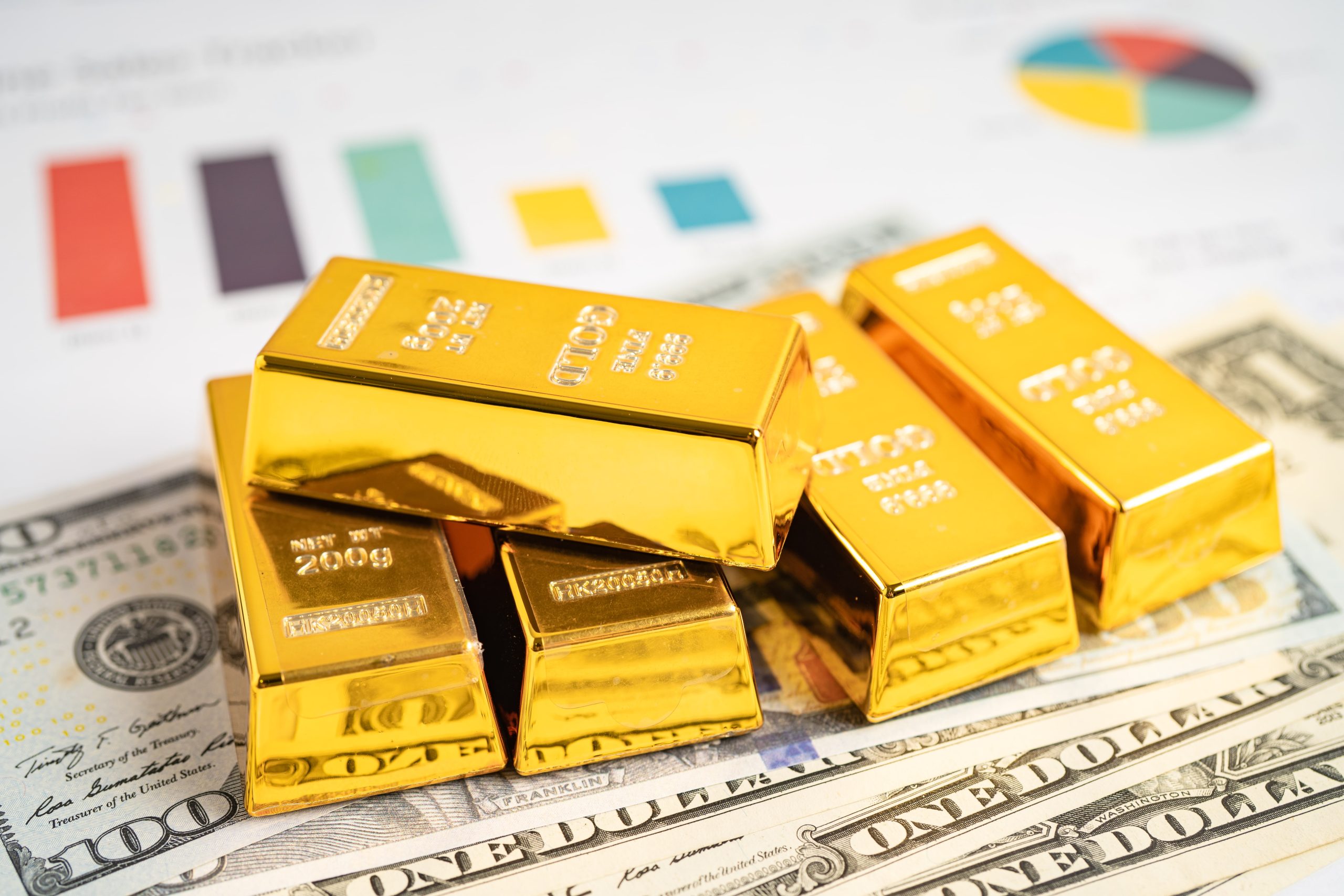
Gold hit $3,148.50 per ounce this morning. The financial press is celebrating. Retail investors are chasing the peak. This is a mistake. While the headline number suggests a historic bull market, the underlying mechanics reveal a desperate flight from liquidity rather than a sustainable growth cycle. The spread between the spot price of $3,148.50 and the cost of physical delivery has widened to levels not seen since the 2020 pandemic. This is the first signal that the paper market is decoupling from physical reality.
The momentum is undeniable but the math is fragile. On October 18, 2025, the Treasury yield curve deepened its inversion. The 10-year yield sits at 4.62 percent while the 2-year remains anchored at 5.05 percent. Traditionally, high real yields act as a gravitational pull on gold. Today, that gravity has failed. Gold is rising because the market no longer believes in the stability of the dollar, yet the miners who extract the metal are failing to capture the upside. This divergence is the most critical data point of the quarter.
The Mining Trap and the AISC Lie
Investors buy Newmont or Barrick expecting leverage. They want the stock to outperform the metal. It is not happening. According to the latest central bank gold reserve data, while sovereign buying has reached a record 1,200 tons annually, the All-In Sustaining Costs (AISC) for major miners have ballooned. In 2022, the average AISC was $1,200. Today, it has spiked to $1,580 per ounce. Labor shortages in Western Australia and energy inflation in South American operations have neutralized the price gains.
The profit margin for a miner at $2,000 gold was roughly $800. At $3,148 gold, with costs at $1,580, the margin is $1,568. On paper, that is a doubling of profit. In reality, the capital expenditure required to maintain aging Tier 1 assets has tripled. The grade of ore being processed is declining. Miners are running faster just to stay in the same place. This is why the GDX (Gold Miners ETF) has underperformed the spot price of gold by 22 percent over the last twelve months.
The Shanghai Premium and Physical Squeeze
The price action in London and New York is being dictated by the Shanghai Gold Exchange. As of October 20, 2025, the Shanghai Premium sits at $85 per ounce. This means physical gold in China is trading $85 higher than the COMEX futures price. This is a massive arbitrage opportunity that is draining Western vaults. COMEX registered gold stocks have dropped to 7.2 million ounces, a multi-year low. If this drain continues, the paper market will face a delivery crisis.
Traders must look at the Registered vs. Eligible gold categories. Registered gold is the metal available for delivery against futures contracts. When this number drops while open interest rises, a short squeeze is inevitable. The current ratio of paper claims to physical ounces is 340 to 1. This is not a stable market; it is a speculative casino built on a vanishing foundation.
Central Bank Manipulation of the Exit
Why are central banks buying at the top? They are not buying for profit. They are buying for insurance. The People’s Bank of China (PBOC) has increased its reserves for the 35th consecutive month as of this week. They are anticipating a breakdown in the SWIFT payment system or a weaponization of the dollar following the 2025 trade sanctions. For the retail investor, following central banks into gold at $3,100 is dangerous. Central banks have a zero-year time horizon; they do not care about a 20 percent drawdown. A retail trader with a leveraged position in a gold ETF does.
Watch the October 28 Treasury auction. If the bid-to-cover ratio falls below 2.2, it signals that foreign buyers are on strike. In that scenario, gold might spike to $3,300 on fear, but the subsequent liquidity crunch will force funds to sell their winners to cover losses in bonds. Gold is the ultimate winner to sell. The risk of a 15 percent correction in November is high as funds rebalance for year-end performance metrics.
The Milestone to Watch
The next critical inflection point occurs on January 14, 2026. This is the scheduled release of the Q4 2025 AISC reports for the top five global producers. If the average cost per ounce exceeds $1,650, the mining sector will face a wave of credit downgrades despite gold trading at record highs. Keep a sharp eye on the $3,050 support level. A breach there would trigger a cascade of algorithmic sell orders that could erase six months of gains in six days.