The rock and roll veneer of a stalling engine
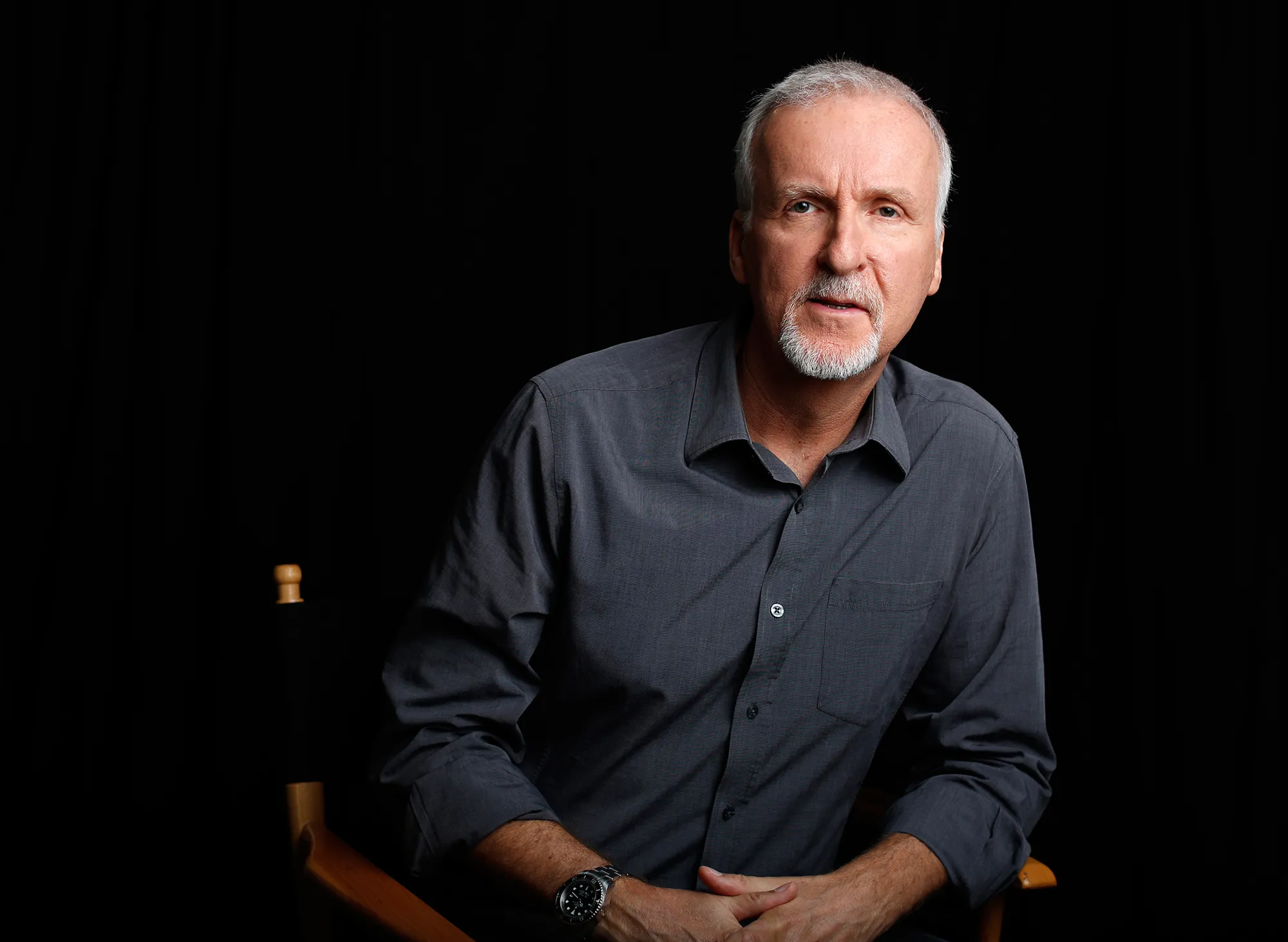
Marketing is a loud game. Zak Brown, the CEO of McLaren Racing, knows this better than anyone on the grid. His recent appearance on the Fortune Leadership Next podcast alongside KISS frontman Gene Simmons was framed as a meeting of masterminds. They discussed the simplicity of branding and the power of repetition. But for investors watching the actual balance sheets, the noise is starting to sound like a distraction. The timing of this celebrity alignment is suspicious. It comes as Formula 1 faces its first real growth plateau since the Netflix boom began. While Simmons preaches about never being late to a meeting, McLaren’s actual performance data is lagging behind its aggressive commercial expansion.
Insider selling and the Q3 reality check
The numbers from late November 2025 tell a different story than the podcast audio. Earlier this month, Liberty Media (FWONK) reported a miss on Q3 earnings estimates, causing a ripple of anxiety through the paddock. More telling is the behavior of those at the top. SEC filings from November 7 and November 10 reveal that high-ranking insiders, including Renee Wilm and Director Chase Carey, offloaded millions in stock. Carey alone sold 109,121 shares at an average price of $102.54. When the architects of the F1 boom start harvesting capital, retail investors should be looking for the exit. The stock has since struggled to reclaim those October highs, closing Friday, November 28, in the $97 range.
The cost of 51 active sponsors
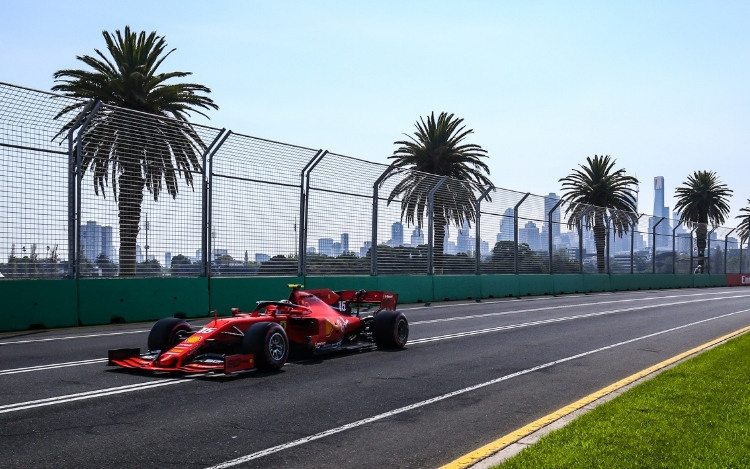
McLaren currently leads the field in one specific metric: sponsor density. With 51 active partners in the 2025 season, the car has become a digital billboard. This hyper-commercialization strategy, championed by Brown, was intended to insulate the team from the volatility of prize money. However, a report from Reuters Finance suggests that the law of diminishing returns is kicking in. Major partners like Google and Cisco are reportedly scrutinizing their ROI as McLaren’s on-track performance dipped into the lower half of the constructors’ standings this year. The brand is spreading itself thin. Gene Simmons might argue that repetition builds a brand, but in high-stakes racing, repetition of mediocre results eventually erodes the premium status required to command eight-figure fees.
McLaren Racing Financial Snapshot: 2024 vs 2025 Estimates
| Metric | 2024 Actual (Audited) | 2025 Estimated (Nov 30) |
|---|---|---|
| Total Revenue | £530.3 Million | £350.0 Million |
| Operating Profit/Loss | £54.2 Million Profit | (£50.0 Million Loss) |
| Sponsor Count | 46 | 51 |
| Constructors Rank | 1st | 7th |
Debt restructuring or a sovereign bailout
The July 2025 recapitalization by Abu Dhabi’s CYVN Holdings was pitched as a strategic realignment. In reality, it was a necessary rescue. CYVN took over all outstanding bonds and loans to prevent a liquidity freeze. While this cleared the immediate debt wall, it also led to the elimination of 500 jobs at Woking. The team is leaner, but the pressure to deliver is higher. The Gene Simmons crossover is part of a larger push to humanize the brand for a broader audience, yet it ignores the technical deficit. McLaren’s reliance on sovereign wealth from Bahrain and Abu Dhabi creates a floor for their finances, but it does not guarantee a ceiling for their performance. The market is now pricing in the risk that the “Drive to Survive” generation of fans is losing interest as the same three teams dominate the podium.
The catch in the 2026 technical freeze
There is a specific milestone on the horizon that explains the current marketing desperation. On January 1, 2026, the technical regulations for engines will undergo a massive shift. Teams are currently burning through cash to develop these new power units while operating under a strict cost cap. The commercial frenzy we see now is a race to build a massive cash reserve before the 2026 freeze takes effect. If McLaren cannot leverage their current “lifestyle brand” status into a competitive engine package by then, the celebrity podcasts will be remembered as the peak of the bubble. Watch for the December 15 reporting date on final 2026 engine supplier commitments. If McLaren fails to secure a tier-one partnership, the $74 million Mastercard title sponsorship slated for next year will be nothing more than a very expensive sticker on a slow car.