The 6849 Pivot
Wall Street just logged its most aggressive Thanksgiving week performance in 17 years. The S&P 500 closed the holiday-shortened Friday session at 6,849.09, representing a 3.7% weekly surge. While the mainstream narrative credits this to ‘economic optimism,’ the internal plumbing of the market suggests a more clinical cause. This move was a liquidity-driven short squeeze, amplified by a technical outage at the Chicago Mercantile Exchange (CME) and an extreme ‘Gamma Flip’ at the 6,800 psychological level.
Data is the only anchor in this volatility. While the 3.7% gain is the highest since the 12% outlier of 2008, it arrives against a backdrop of a 1.5% decline for the Nasdaq throughout the month of November. The rally is not a broad recovery but a localized explosion of buying pressure in a low-volume window. Average daily volume on Friday was 40% below the 30-day moving average, a classic setup for price manipulation by institutional algos.
Anatomy of a Gamma Squeeze
The technical mechanism behind this rally is rooted in the 0DTE (Zero Days to Expiration) options market. Heading into Thanksgiving, the 6,800 strike on the S&P 500 held massive ‘negative gamma’ exposure. As price action crossed this threshold on Wednesday, market makers were forced to buy underlying S&P 500 futures to hedge their positions. This created a self-reinforcing feedback loop. In a standard trading week, this pressure would be absorbed by high liquidity. On a holiday Friday, with desks at half-staff and the CME experiencing data center connectivity issues, the bid-ask spread widened, allowing a relatively small amount of capital to push the index 0.5% higher in just three hours of trading.
| Market Metric | Nov 29, 2025 Value | Weekly Change | YTD Performance |
|---|---|---|---|
| S&P 500 Index | 6,849.09 | +3.7% | +16.4% |
| Nasdaq Composite | 23,365.69 | +4.9% | +21.0% |
| Russell 2000 | 2,500.43 | +5.5% | +12.1% |
| 10-Year Treasury | 4.02% | +8 bps | N/A |
Retail Sales vs Purchasing Power
Retail data from yesterday’s Black Friday provides the necessary counter-narrative to the stock market’s exuberance. Online sales hit a record $11.8 billion, a 9.1% increase year over year, according to Adobe Analytics. However, the ‘Alpha’ is hidden in the unit volume. Per recent treasury market reporting, the 10-year yield remains anchored above 4%, keeping borrowing costs for retailers at decade highs. Salesforce data confirms that while total dollar spend rose 3%, the Average Selling Price (ASP) jumped 7%. This implies that consumers are actually buying 4% fewer items than they did in 2024. They are not wealthier, they are simply paying more for less due to persistent inflationary drag.
The K-shaped recovery has reached its terminal phase. High-income households, buoyed by the 16.4% year-to-date gain in the S&P 500, are sustaining luxury and travel spending. Conversely, in-store foot traffic dropped 3.6% nationwide as middle-income families pivoted to discount-only strategies. This bifurcation is a structural risk. If the top 10% of earners stop the wealth-effect spending, the primary engine of the S&P 500’s earnings per share (EPS) growth will stall. Investors should look past the headline ‘record sales’ and focus on the shrinking unit volume.
The Fixed Income Disconnect
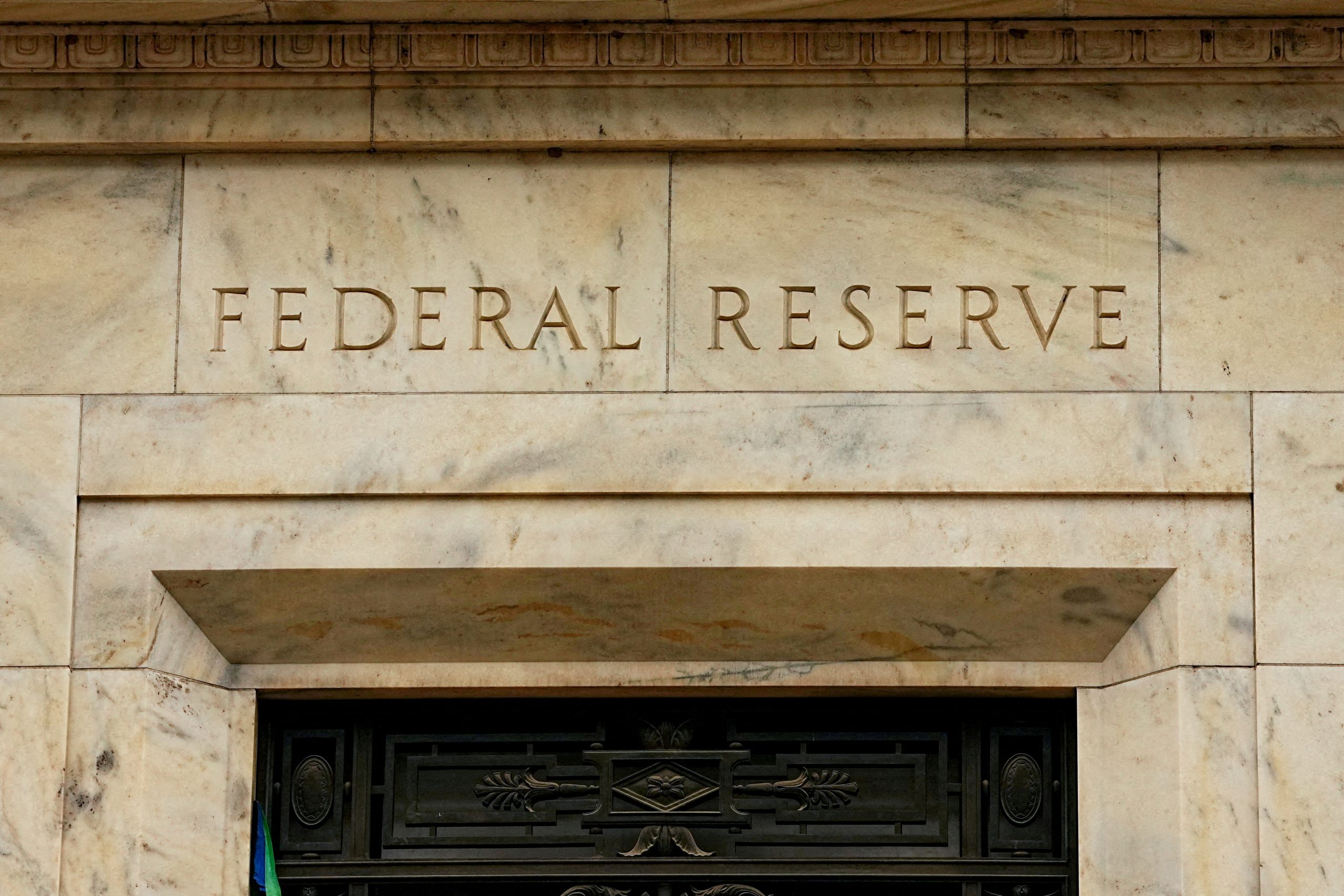
The bond market is currently screaming a different message than the equity market. While the S&P 500 rallied, the 10-year Treasury yield rose to 4.02%, its highest level since the October sell-off. This divergence is unsustainable. Higher yields increase the discount rate applied to future corporate earnings, particularly in the tech sector which currently represents 34.3% of the S&P 500’s total market cap. Per the latest Federal Reserve interest rate guidance, the target funds rate of 3.75% to 4.00% is intended to be restrictive. If the 10-year yield continues to climb alongside stocks, it indicates that the market is pricing in a ‘higher-for-longer’ inflation scenario, not a soft landing.
Active traders are watching the 23,150 level on the Nasdaq. According to historical holiday price data, a failure to hold this ‘breakout’ zone in the first week of December usually leads to a full retracement of the Thanksgiving gains. The surge was a tactical victory for bulls, but the strategic landscape remains dominated by a rising cost of capital and a thinning consumer base. The 3.7% jump is a statistical outlier, not a fundamental shift.
The next critical data point arrives on January 15, 2026, with the initial Q4 GDP print. This will reveal if the 7% jump in retail prices successfully defended corporate margins or if the 4% drop in unit volume has finally broken the back of the consumer. Watch the 6,700 support level on the S&P 500 for the first sign of a year-end mean reversion.