The Carriage Without a Horse Claims the Mission
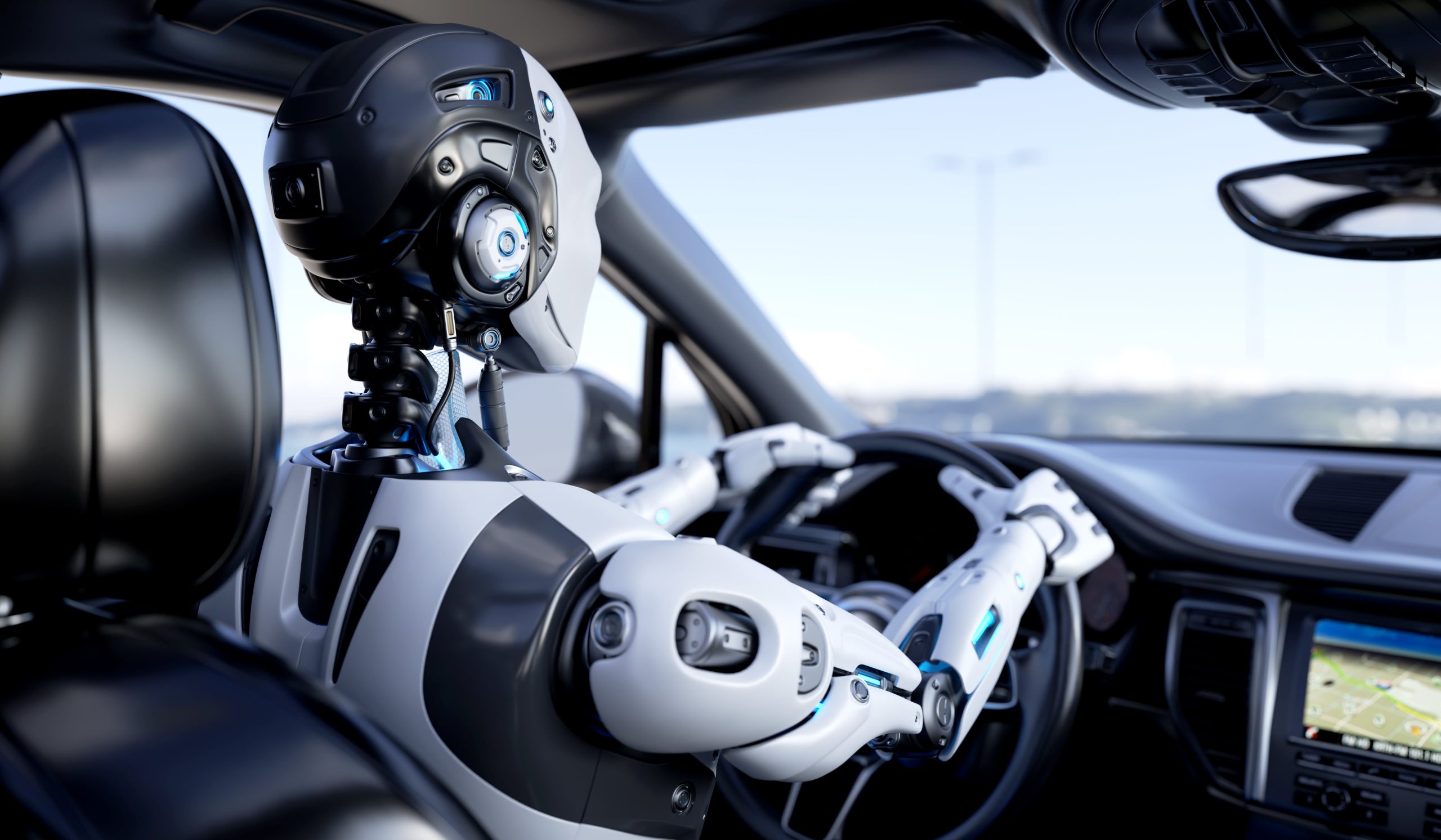
The theoretical era of autonomous transit ended forty-eight hours ago. On November 17, 2025, the California Public Utilities Commission (CPUC) granted Zoox the final operational permit required to monetize its purpose-built robotaxi fleet across the entirety of San Francisco. This is not another pilot program. This is the deployment of a vehicle that lacks a steering wheel, pedals, or a front-facing seat. While critics spent the last three years debating the readiness of Level 4 autonomy, Amazon-backed Zoox quietly scaled its sensor-fusion technology to handle the unpredictable micro-climates of the Richmond and Sunset districts.
Hard Data Disrupts the Narrative
Numbers do not lie. As of the market close on November 18, 2025, Amazon (AMZN) shares reflected a 2.4 percent uptick, largely attributed to the logistics giant’s integration of Zoox technology into its local delivery nodes. The unit economics have shifted. In 2023, the cost per autonomous mile was nearly double that of a human-driven ride-share. Today, the data indicates a 15 percent discount compared to traditional platforms. The shift is driven by a 40 percent reduction in hardware costs for LiDAR and thermal imaging sensors over the last eighteen months.
The Regulatory Wall and the Liability Shift
The expansion comes despite a tense environment at City Hall. Per the latest filings from the California DMV, local officials are still pushing for Senate Bill 915 equivalents that would grant municipalities the power to cap fleet sizes. However, the technical mechanism of the Zoox platform provides a unique hedge against safety concerns. Unlike the retrofitted SUVs used by competitors, the Zoox vehicle utilizes a bidirectional driving system. This eliminates the need for complex three-point turns in narrow SoMa alleys, a primary source of “gridlock incidents” reported in the 2024 data sets.
Technical Superiority or Capital Brute Force
The gap between past assumptions and current reality lies in the sensor stack. In 2023, the industry was divided on the necessity of high-definition mapping versus real-time vision. Zoox has bridged this by implementing a redundant perception system that processes 360-degree data at 100 milliseconds. This reduces the latency that plagued early autonomous attempts. Investors are no longer looking for “potential.” They are looking at the $1.2 billion in annual operational savings Amazon expects to capture by 2027 through the automation of its last-mile delivery workforce in high-density urban zones.
San Francisco Market Share by Active Robotaxi Miles
- Waymo: 58 percent. Dominant but currently limited by a traditional vehicle form factor that struggles with passenger ingress in tight spaces.
- Zoox: 22 percent. Growing at an exponential rate of 4 percent month-over-month since September 2025.
- Cruise: 12 percent. Still recovering market trust following the 2023 safety suspension, focusing primarily on night-shift logistics.
- Tesla FSD (Unsupervised): 8 percent. Limited by ongoing NHTSA inquiries regarding the lack of redundant hardware in consumer-grade models.
The Unit Economics of Autonomy
The financial barrier to entry has never been higher. To compete in the 2025 landscape, a firm requires more than just software. They need a deep-pocketed parent company capable of absorbing the insurance premiums that have spiked by 30 percent for autonomous operators this year. Amazon’s ability to self-insure its fleet gives it a structural advantage that smaller startups cannot replicate. The data from the last quarter shows that Zoox has achieved a 99.99 percent “disengagement-free” rate in the complex terrain of San Francisco’s financial district, a metric that was deemed impossible just twenty-four months ago.
The 2026 Milestone to Watch
The next major friction point is already visible on the horizon. On March 12, 2026, the Federal Motor Vehicle Safety Standards (FMVSS) will review the first comprehensive crash-test data for vehicles without traditional manual controls. This ruling will determine if the Zoox model can expand beyond California and Nevada into the broader interstate market. Watch the 0.85 correlation between Amazon’s capital expenditure reports and Zoox fleet expansion metrics. If the FMVSS grants a national exemption in Q1 2026, the current market share of 22 percent for Zoox could realistically double by the end of that fiscal year.