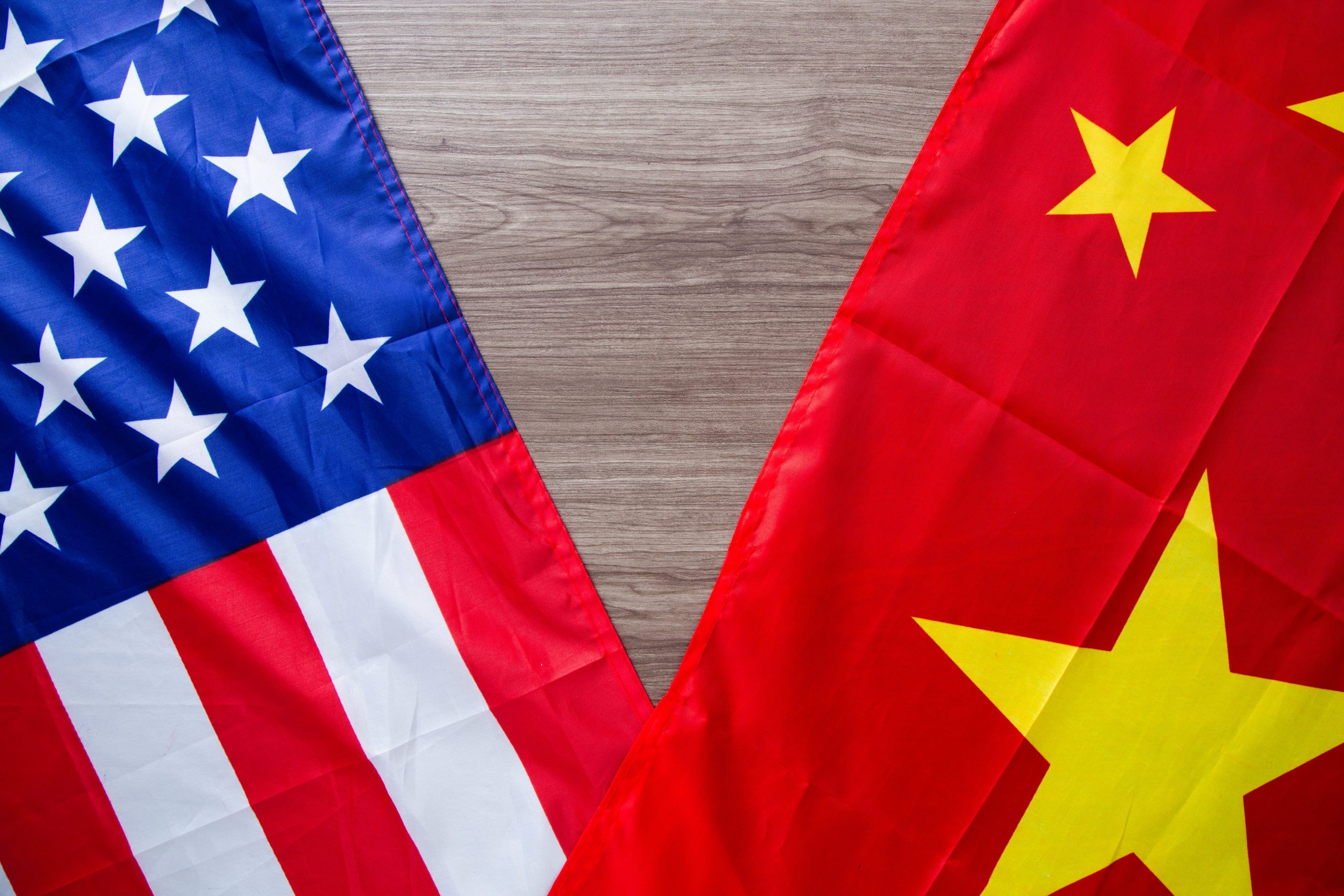
The Hegemon is Leaking
Institutional decay is no longer a rhetorical point for the West. It is a priced-in market reality as of November 17, 2025. The 42-day United States government shutdown, which paralyzed federal agencies from October 1 until last Wednesday, has done more than just delay the November CPI report; it has shattered the assumption of American predictability. While Washington spent the autumn in an institutional coma, the rest of the world began voting with its capital and its confidence.
The numbers are jarring. The latest sentiment data from The Economist reveals a seismic 11 percentage point jump in favor of China, moving its global approval to 33%. Conversely, preference for the United States has slipped to 46%, marking the first time in the post-war era that a global majority does not favor American leadership. This is not an ideological shift. It is a flight to stability.
Mercenary Neutrality and the Global South
Developing nations are adopting a posture of mercenary neutrality. They are no longer choosing sides based on values, but on trade throughput. China’s Q3 GDP growth of 4.8% may seem modest compared to historical double-digits, but it was buttressed by a staggering 7.1% increase in exports. While the U.S. remains entangled in domestic polarization, the Alibaba (BABA) and Tencent (TCEHY) ecosystems have successfully pivoted. Their growth is no longer tethered to a slowing Chinese consumer, but to an expanding BRICS+ infrastructure that now includes Indonesia and Egypt as full members.
The yield divergence tells the real story. As of this morning, the 10-year Treasury yield sits at 4.13%, down from 4.57% a year ago. Investors are not buying Treasuries because they believe in the American growth story; they are buying them as a hedge against the very volatility the U.S. political system is generating. Meanwhile, the trade surplus in China hit a record $1 trillion for the first 11 months of 2025, proving that “de-risking” is a Western slogan, not a global reality.
The Institutional Volatility Index
The gap between past assumptions and current data is best illustrated by the following breakdown of capital flows and trade dynamics. The shift is systemic, not cyclical.
| Metric | United States (Nov 2025) | China (Nov 2025) |
|---|---|---|
| Public Sentiment (Poll) | 46% (Down from 50%) | 33% (Up from 22%) |
| 10-Year Sovereign Yield | 4.13% | 2.08% |
| Trade Balance (YTD) | -$780 Billion (Deficit) | +$1 Trillion (Surplus) |
| Institutional Status | Recovery from Shutdown | BRICS+ Expansion Lead |
The End of Hegemonic Friction
We are witnessing the end of hegemonic friction where one power could dictate the terms of global engagement. The April 2025 tariffs, initially labeled as the end of globalism, have instead accelerated the creation of parallel supply chains. ASEAN and African markets have seen a 13.7% and 26.3% rise in Chinese imports respectively, effectively bypassing traditional Western gatekeepers. For a senior analyst, the alpha is found in the “Sentiment Gap.” When the perception of a superpower falls below the 50% threshold, the cost of its soft power projects—diplomacy, aid, and trade agreements—doubles.
American firms are now operating in a world where they are the “alternative” rather than the “standard.” The reliability of the dollar, while still dominant at 56% of global reserves, is being tested by the BRICS+ “Unit” pilot, a gold-anchored settlement system that launched its prototype last month. This is not about the dollar collapsing; it is about the dollar having to compete for the first time in eighty years.
The next major milestone to watch is the January 2026 BRICS+ Summit in Riyadh. This event will likely formalize the use of the “Unit” for energy settlements between Saudi Arabia and China. If the pilot transitions to a permanent settlement mechanism, the 46% sentiment floor for the United States will be tested even further. Watch the 10-year Treasury yield for a breakout above 4.25% as the market begins to price in this final structural shift.