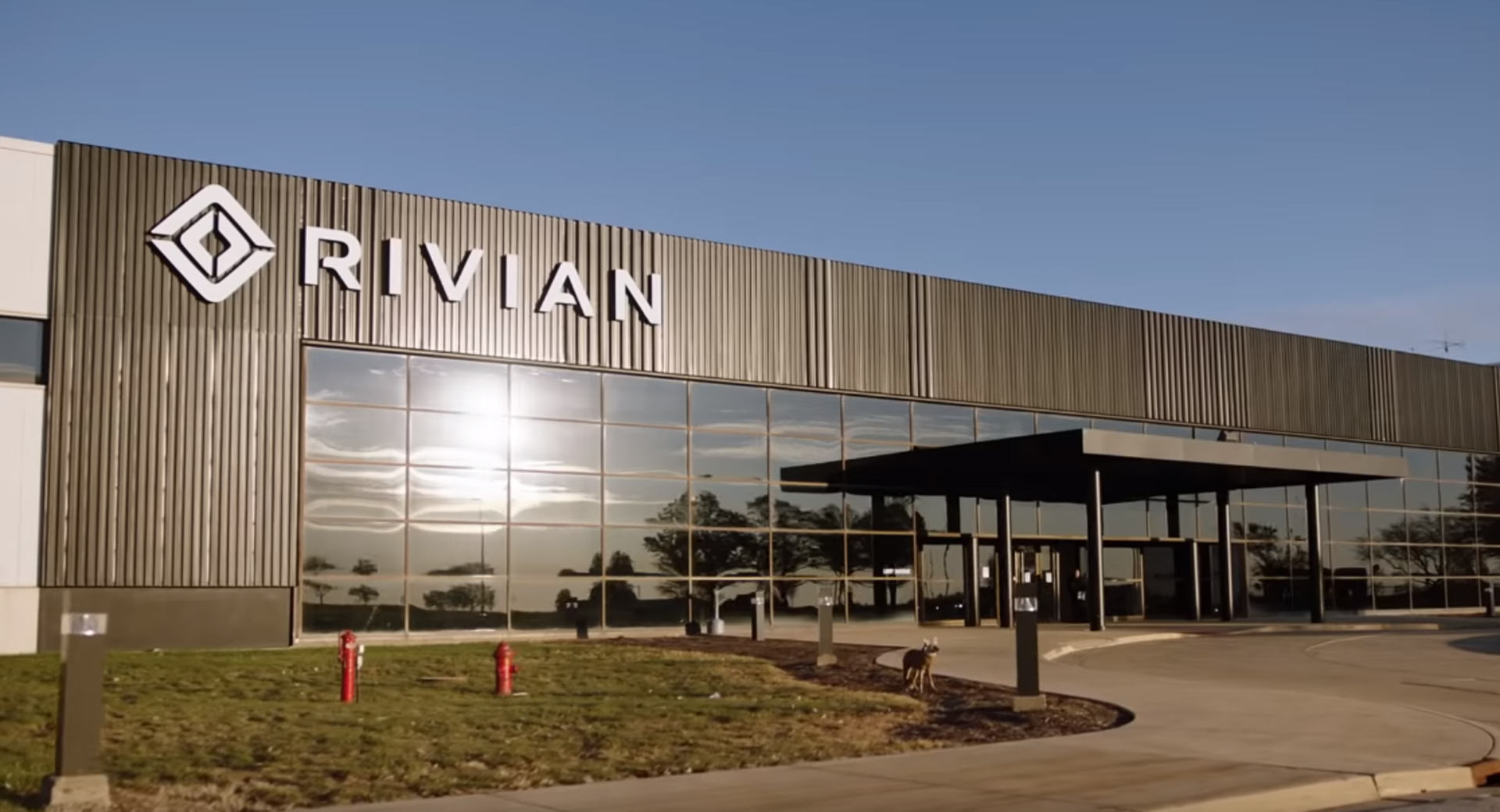
The math of the electric vehicle market is brutal. For every high-end R1S that rolled off the assembly line in Normal, Illinois, earlier this year, Rivian was still wrestling with the ghost of negative gross margins. But as of November 11, 2025, the ledger is beginning to shift. The narrative is no longer about survival through austerity; it is about a high-stakes equity incentive plan that ties CEO RJ Scaringe’s personal wealth to the success of a vehicle that hasn’t even hit the mass market yet.
The Five Billion Dollar German Lifeline
To understand the current stock trajectory, we have to look back at the pivot point in late 2024. The massive joint venture with Volkswagen injected $5 billion into Rivian’s ecosystem. This was not just a cash grab. It was a validation of Rivian’s zonal electrical architecture. By November 2025, that capital has been meticulously deployed into the retooling of the Normal plant. The goal is simple. Rivian must lower its bill of materials by 20 percent before the first R2 delivery in 2026. The market is pricing in this efficiency today.
Cash is the oxygen of the EV industry. Rivian entered Q4 2025 with approximately $6.1 billion in cash and equivalents. While the burn rate remains significant, the trajectory of the burn has flattened. Investors are no longer looking at how much money is leaving the building; they are looking at what that money is building. The answer is a vertically integrated software stack that Volkswagen was willing to pay billions to borrow. This is the foundation of Scaringe’s new pay structure.
Skin In The Game Or A Golden Parachute
The updated compensation filing reveals a structure that would make even the most aggressive hedge fund manager pause. Unlike traditional executive salaries, Scaringe’s 2025 incentive package is heavily weighted toward performance restricted stock units (PRSUs). These units do not vest based on the passage of time. They vest based on brutal, binary milestones. Per the latest SEC Form 10-Q filing, these targets include a sustained stock price of $35.00 for at least 30 consecutive trading days and the successful SOP (Start of Production) for the R2 platform.
Critics argue that this emulates the Elon Musk 2018 pay package, which was recently a point of contention in Delaware courts. However, the risk for Scaringe is arguably higher. Rivian does not have the luxury of a decade-long head start in the charging infrastructure or the regulatory credit market that sustained Tesla in its early years. If the R2 platform fails to launch by the middle of 2026, or if the gross margins on the R1 refresh do not turn positive by the end of this quarter, Scaringe’s paper wealth could evaporate. The market is rewarding this all-or-nothing approach because it aligns the founder’s survival with the shareholders’ exit strategy.
Breaking Down The Q3 2025 Performance Data
The numbers from the November 7 earnings call tell a story of operational discipline. Rivian delivered 14,800 vehicles in the third quarter of 2025. While this was only a modest 4 percent increase year-over-year, the cost to produce those vehicles dropped by a staggering $8,400 per unit compared to the same period in 2024. This reduction is attributed to the Peregrine project, a total overhaul of the drive units and body structures that eliminated over 500 parts from the R1 platform.
The following table illustrates the narrowing gap between revenue and production costs as Rivian approaches its 2026 inflection point:
| Metric (Per Unit) | Q3 2024 | Q3 2025 | Improvement |
|---|---|---|---|
| Average Selling Price | $82,500 | $88,200 | +6.9% |
| Cost of Goods Sold | $114,000 | $94,100 | -17.4% |
| Gross Loss Per Vehicle | ($31,500) | ($5,900) | +81.2% |
The Architecture Of A Turnaround
Rivian is no longer just an automotive company; it is an intellectual property powerhouse. The 2025 rally is fueled by the realization that the Volkswagen partnership effectively subsidizes Rivian’s R&D for the next three years. This allows Scaringe to focus exclusively on the R2 and R3 consumer launches. The R2, priced at a projected $45,000, is the volume play that will determine if Rivian becomes a permanent fixture of the American landscape or a cautionary tale of the green energy transition.
Institutional buyers like BlackRock and Amazon have maintained their positions, signaling that the smart money is betting on the technology stack rather than just the sheet metal. The zonal architecture, which reduces wiring by miles and centralizes computing into just three ECUs, is the primary reason the stock jumped 12 percent following the October delivery report. It is a technical advantage that legacy manufacturers are still years away from perfecting.
The road ahead is paved with execution risk. Scaringe’s pay package is the ultimate vote of confidence in his own engineering. If he hits the EBITDA-positive target by the end of 2025, he stands to unlock a tranche of shares worth nearly $400 million at current market prices. If he misses, he remains a CEO with a massive vision and a dwindling pile of cash. The market has made its choice. It prefers the visionary who is willing to tie his own net worth to the assembly line.
As we look toward the first quarter of 2026, the critical metric will not be the stock price or the CEO’s bonus. The single data point that matters is the final validation testing of the R2 battery pack in Normal. If that milestone is cleared by March 15, 2026, the current rally will look like a mere prelude to the main event.