The Celebratory Ribbons Mask a Brutal Ledger
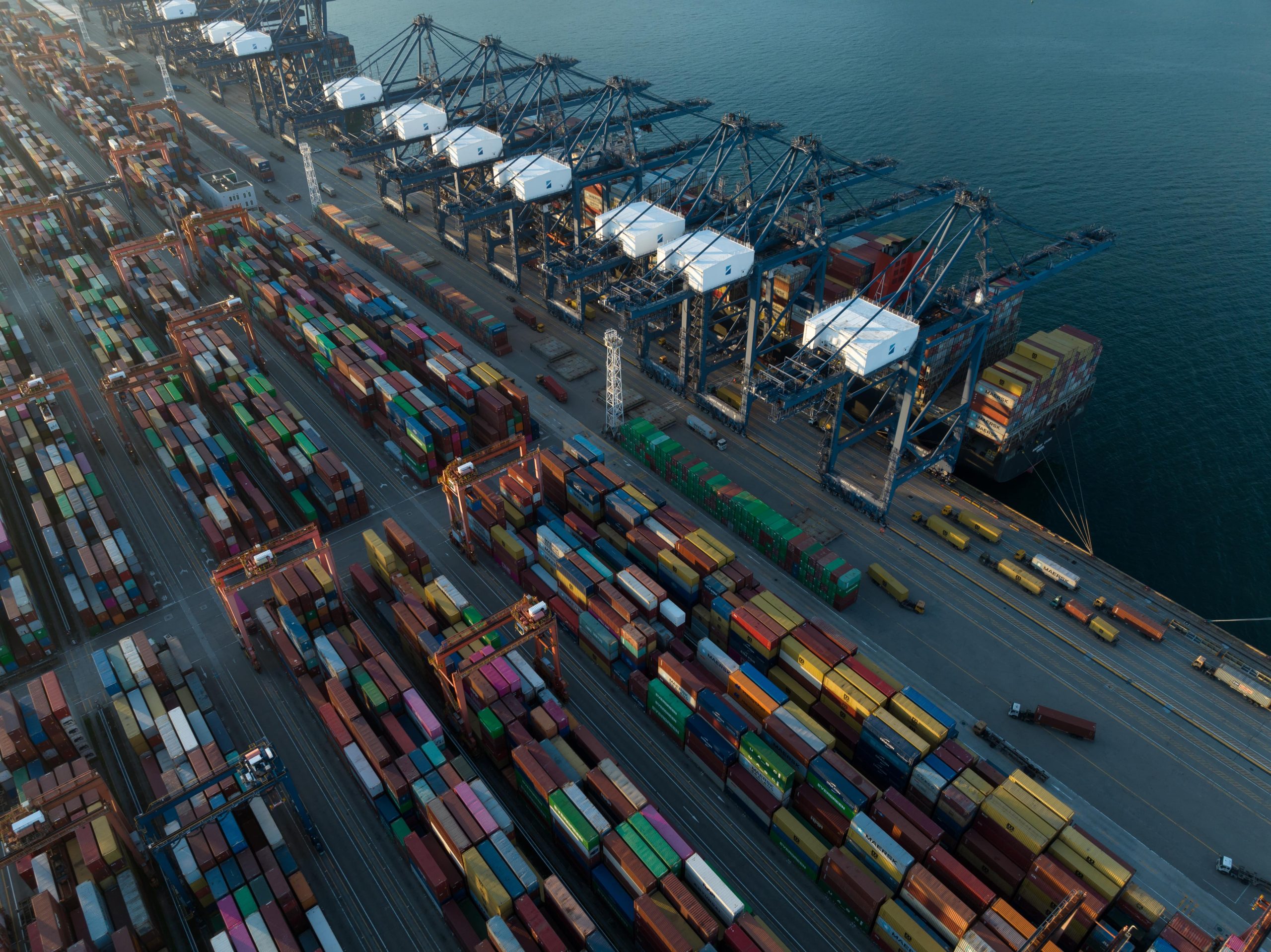
The first shipment of high grade iron ore left the Port of Morebaya yesterday. The ceremony in Conakry was loud. The market reaction was silent. While the Guinean government celebrates its entry into the big leagues, the math for global steel producers is turning ugly. This is not a story of African emergence; it is a story of massive supply pressure meeting a wall of Chinese demand destruction. Per the benchmark 62% iron ore fines data from November 10, prices are already wobbling at 98.40 dollars per tonne. Simandou is the largest untapped reserve on earth, and its arrival is about to break the pricing floor.
The Twenty Seven Billion Dollar Gamble
The infrastructure is staggering. A 670 kilometer railway now cuts through the Guinean jungle. It connects the Simfer and WCS blocks to a deep water port that did not exist three years ago. But the capital expenditure is a weight that will drag on Rio Tinto and the Winning Consortium for a decade. Internal estimates leaked through recent Rio Tinto filings suggest the break even cost for Simandou ore is significantly higher than the 20 dollars per tonne seen in the Pilbara. Guinea is expensive. The 15 percent free carry stake held by the state means the miners are footing the bill for a government that has historically rewritten contracts at the stroke of a pen.
High Grade Ore and the Green Steel Mirage
Simandou is touted for its 65 percent plus iron content. This is the grade needed for Direct Reduced Iron or DRI production. The narrative is that green steel needs this ore. The reality is that the transition to electric arc furnaces is moving slower than the ore is moving out of the ground. We are seeing a bifurcated market. High grade ore commands a premium, but that premium is shrinking as supply floods the zone. If the global economy cannot absorb 120 million tonnes of new high grade supply annually, the premium will collapse, leaving the low grade producers in Australia and Brazil in a race to the bottom.
Iron Ore Grade vs Market Premium (Nov 2025)
The Cost of Extraction Comparison
The following table illustrates why Simandou is a high stakes play. While the quality of the ore is superior, the logistical costs are nearly double those of established Australian mines. The market is pricing in a perfection that Guinea rarely delivers. Political stability in the region remains a wildcard that no D3 chart can accurately quantify.
| Region | Average Fe % | Estimated Cost/Tonne (USD) | Logistic Complexity |
|---|---|---|---|
| Pilbara (Australia) | 61% | $20 – $24 | Low |
| Itabira (Brazil) | 64% | $25 – $28 | Moderate |
| Simandou (Guinea) | 66% | $38 – $42 | Extreme |
The China Dependency Trap
Guinea is betting its entire economic future on a single customer. China accounts for over 70 percent of global iron ore seaborne trade. However, latest Guinea Ministry of Mines data indicates that Chinese port stockpiles are at a three year high. The steel intensity of Chinese GDP is falling. The property sector is no longer the engine it was in 2021. By adding Simandou to the mix, the market is essentially daring China to maintain its peak production levels. It is a dare that the Chinese authorities seem unlikely to accept as they pivot toward a consumption based economy. The technical mechanism of this price suppression is simple: oversupply in a shrinking demand environment leads to warehouse bloat and forced liquidations by smaller miners.
Watch the March 2026 Throughput Audit
The real test for this project arrives in the first quarter of next year. While the current shipments are symbolic, the Trans-Guinean railway must prove it can handle 5 million tonnes per month to justify the current valuation of the participating miners. Institutional investors are watching the March 2026 throughput audit. If the rail infrastructure fails to meet 85 percent of its nameplate capacity during the upcoming rainy season, the capital flight from the Guinea mining sector will be swift. The 114 dollar premium for high grade ore is a fragile ceiling that could easily crack before the first half of 2026 is over.