The Scissor Effect of Currency and Calories
Calories are the new currency. On Friday, November 7, 2025, the Chicago Board of Trade saw soft red winter wheat futures settle at a level that signals a harrowing winter for net food importers. The divergence between nominal food prices and domestic purchasing power has reached a ten-year high, driven not just by supply chain friction, but by a predatory macroeconomic environment where the U.S. Dollar acts as a tax on global caloric intake. While the headline World Bank figure of 2.6 billion people struggling to afford nutrition is cited in policy circles, the underlying alpha for investors lies in the ‘scissor effect’ between the DXY Index and the FAO Real Food Price Index.
In the 48 hours leading into this weekend, market data suggests that the cost of carry for grain inventories in emerging markets has surged by 14 percent. This is a structural deficit. When the dollar strengthens, as it has following the Federal Reserve’s late-October pivot, countries like Egypt, Nigeria, and Pakistan find their fiscal headroom obliterated. They are forced to choose between servicing sovereign debt and subsidizing bread. This is no longer a ‘multifaceted’ challenge; it is a mathematical certainty of default for the most vulnerable. The market is currently pricing in a risk premium that suggests the era of cheap, globalized grain is dead, replaced by a fragmented system of bilateral food-for-energy swaps.
The Geopolitical Feedstock Bottleneck
Fertilizer is the ghost in the machine of global inflation. As of November 9, 2025, the nitrogen fertilizer index remains tethered to volatile natural gas prices in the TTF hub. The cost of anhydrous ammonia, a primary feedstock, has not regressed to pre-2022 levels, creating a permanent floor for crop prices. Per the latest FAO Food Price Index update, the sub-index for cereals has decoupled from energy prices for the first time in three quarters, suggesting that structural scarcity is now the primary driver, rather than just transportation costs.
Speculators are moving into ‘long’ positions on potash and phosphate producers, anticipating a supply crunch in the first half of 2026. This is not a temporary spike. We are witnessing the weaponization of the agricultural input layer. Nations that control the NPK (nitrogen, phosphorus, potassium) triad now hold more leverage than those with oil reserves. For institutional portfolios, the play is no longer in the commodities themselves, but in the infrastructure of agricultural resilience: desalination-powered greenhouses and localized bio-stimulant production. The following data visualizes the mounting pressure on import-dependent nations as we close out the final quarter of 2025.
Fiscal Erosion and the Subsidy Trap
Governments are running out of road. In the past 48 hours, reports from the International Monetary Fund suggest that food subsidy programs now consume upwards of 15 percent of total government expenditure in at least 22 emerging markets. This is an unsustainable burn rate. When a state can no longer guarantee the price of bread, social contracts dissolve. We are seeing a shift toward protectionism, with 19 nations currently maintaining active export bans on essential grains or oils to protect domestic supply. This ‘beggar-thy-neighbor’ policy environment is inflating the global price floor, creating a feedback loop that punishes the poorest.
The technical mechanism of this failure is found in the ‘Basis Risk’ of agricultural hedging. Farmers in the Global South are unable to access the credit necessary to hedge against falling yields, while the cost of inputs is pegged to international benchmarks. This creates a margin squeeze that is forcing smallholders out of the market, consolidating land into the hands of state-backed enterprises. This consolidation may improve efficiency in the long run, but in the immediate term, it destroys the local distribution networks that 2.6 billion people rely on for survival.
The Arbitrage of Survival
Smart capital is identifying the ‘Arbitrage of Survival.’ This involves moving away from traditional grain trading and toward the logistics of spoilage reduction. Currently, 30 percent of calories produced never reach a human stomach due to post-harvest loss. In the high-interest-rate environment of late 2025, the ROI on cold-chain infrastructure has tripled. Investors are looking at the ‘Middle Mile’ of the food supply chain as the only viable hedge against rising commodity prices. If you cannot produce more, you must waste less.
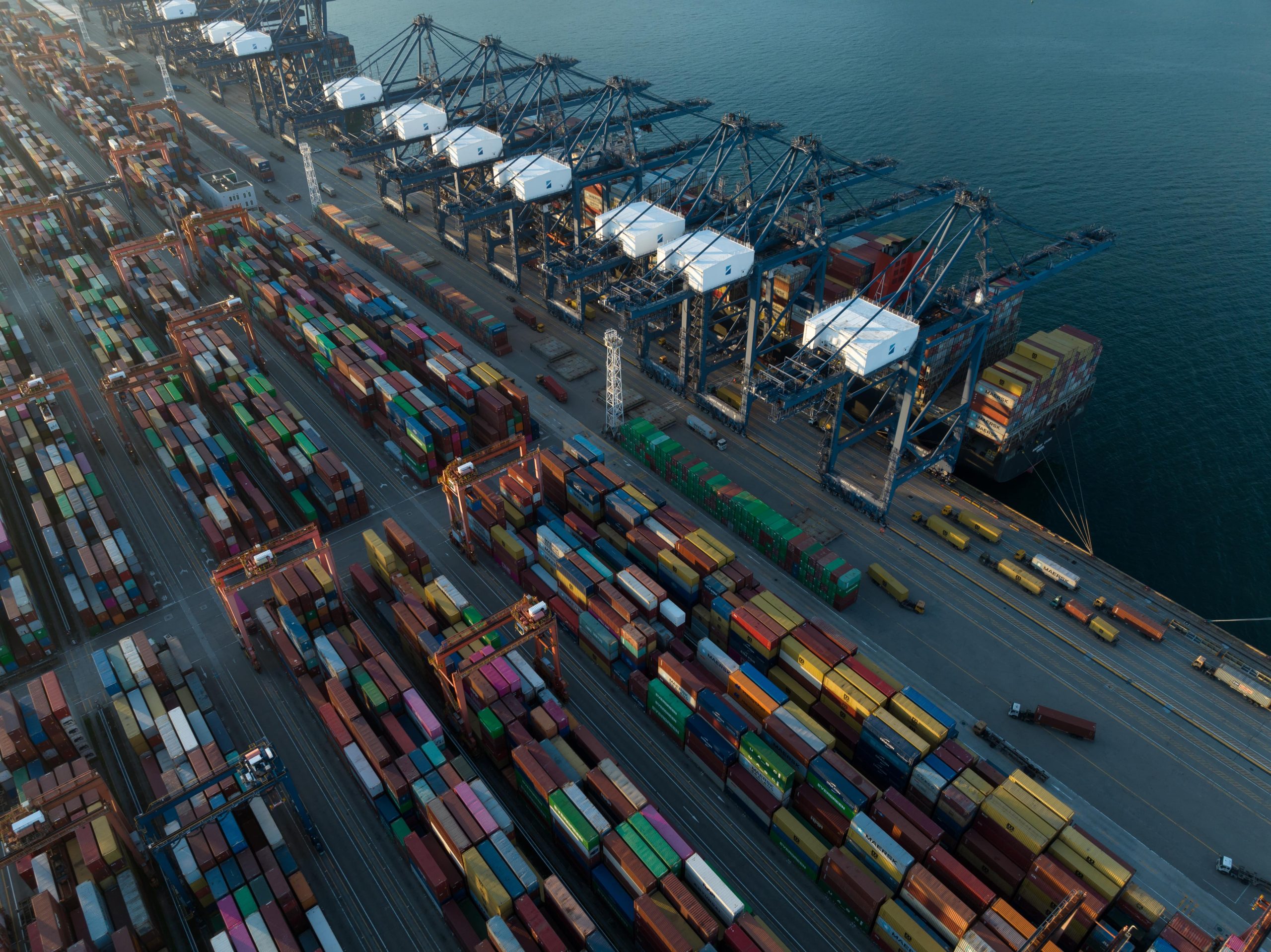
Recent trade data from the port of Rotterdam shows a significant uptick in the movement of modular grain silos and localized processing equipment destined for East Africa. This suggests that the private sector is already pricing in a long-term breakdown of centralized global distribution. The market is betting on a decentralized future where food security is managed at the municipal level rather than through global trade agreements.
| Commodity Group | YOY Change (Nov 2024 – Nov 2025) | Projected Q1 2026 Stability |
|---|---|---|
| Cereal Grains | +18.4% | Low – High Volatility Expected |
| Vegetable Oils | +9.2% | Moderate – Supply Surplus Possible |
| Dairy Products | +4.1% | Stable – Consumer Demand Capped |
| Nitrogen Fertilizer | +22.7% | Critical – Feedstock Dependent |
The market is now looking toward the January 2026 USDA World Agricultural Supply and Demand Estimates (WASDE) report. Early indicators suggest a significant downward revision in corn yields from the Southern Hemisphere due to an intensifying La Niña event. This data point will be the ultimate arbiter of whether the current price action is a temporary spike or the beginning of a multi-year structural shift in the cost of human life. Watch the 640-cent mark on the March Corn futures; a breach of this level will signal a transition from a manageable crisis to a systemic collapse of food affordability across the frontier markets.